

Cotton T-Shirts From India: Which Town, What Each Border Charges and What It Tests
Where Indian cotton T-shirts are made, what Australia, NZ, the UK, US, EU and UAE charge on them, which origin proof you need and what to test first.
6 min read
Bulk from India drifts from an approved sample for a few repeatable reasons: different material, rushed fabric, or different hands on the bulk. These are consistency problems, not proof the maker lacks skill, and each has a test that catches it before you pay the balance.
Bulk from India drifts from the approved sample for a handful of specific, repeatable reasons: the sample was made from different material, the bulk fabric was rushed, or the bulk was made by different hands. None of them are signs that the maker can't do the job, because the sample proves it can. They're consistency problems, and each one has a test that catches it before you pay the balance.
In June 2026 a sourcing agent who runs production inside India's garment exports described a trick on heavyweight fleece. The quoted fabric was heavier, but "the factory used a cheaper 280 GSM fabric and loaded it with a chemical starch/stiffener during the wash phase to artificially inflate the weight" (r/streetwearstartup, 2026 (opens in a new tab)). The garment felt right in the hand and weighed right on the scale. Then it was washed. I'll carry that hoodie through this post, because it shows the whole problem in one product. The caveat - the agent sells services and is one voice, so treat the trick as a reported failure mode, not a description of Indian factories in general.
Because a sample answers one question - can this maker hit my spec once? It doesn't answer whether the bulk will use the same fabric lot, the same finishing, the same line or the same people. A buyer on a clothing forum put it simply in 2025: "The fabric you get in sampling often isn't the fabric you get in bulk" (r/ClothingStartups, 2025 (opens in a new tab)).
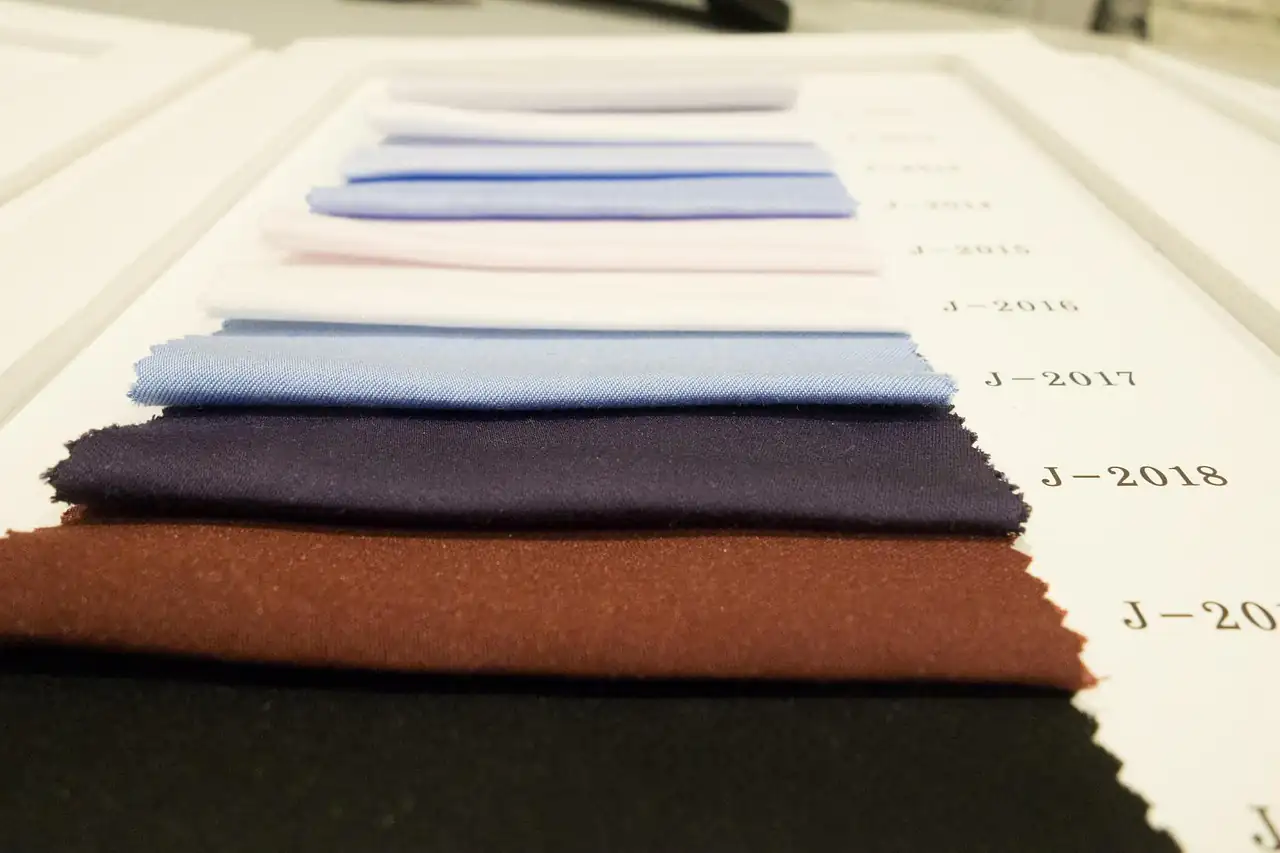
There's often an innocent reason. A first sample is usually cut from whatever suitable fabric is in stock, while bulk fabric is knitted or bought later for your order. The two can differ in weight, handle and shrinkage, even when nobody is cutting corners. That's why the fix below starts with which sample you approve, not with blaming anyone.
These are the ones buyers and production people describe by name. Each pairs with a check you can write into your order.
Weight reached with finish, not fibre. That's our hoodie. The fabric hits the quoted GSM because of a stiffener that washes out. The agent's own fix is to ask for a video of the GSM cutter test on raw, unwashed fabric before cutting starts (same thread (opens in a new tab)). I'd add a second weight test after one wash on the bulk, because that's the number your customer lives with.
Shrinkage from cutting unrelaxed fabric. Knit fabric needs to rest after it comes off the roll. The same agent says a factory rushing a small order will "pull it straight off the roll and cut it immediately", and the garments shrink "by 5-8%" after washing (as reported by the poster). His tech pack sets a maximum shrinkage of 3% and ties the final payment to a post-wash measurement. You don't have to use his number, but you do need one, in writing.
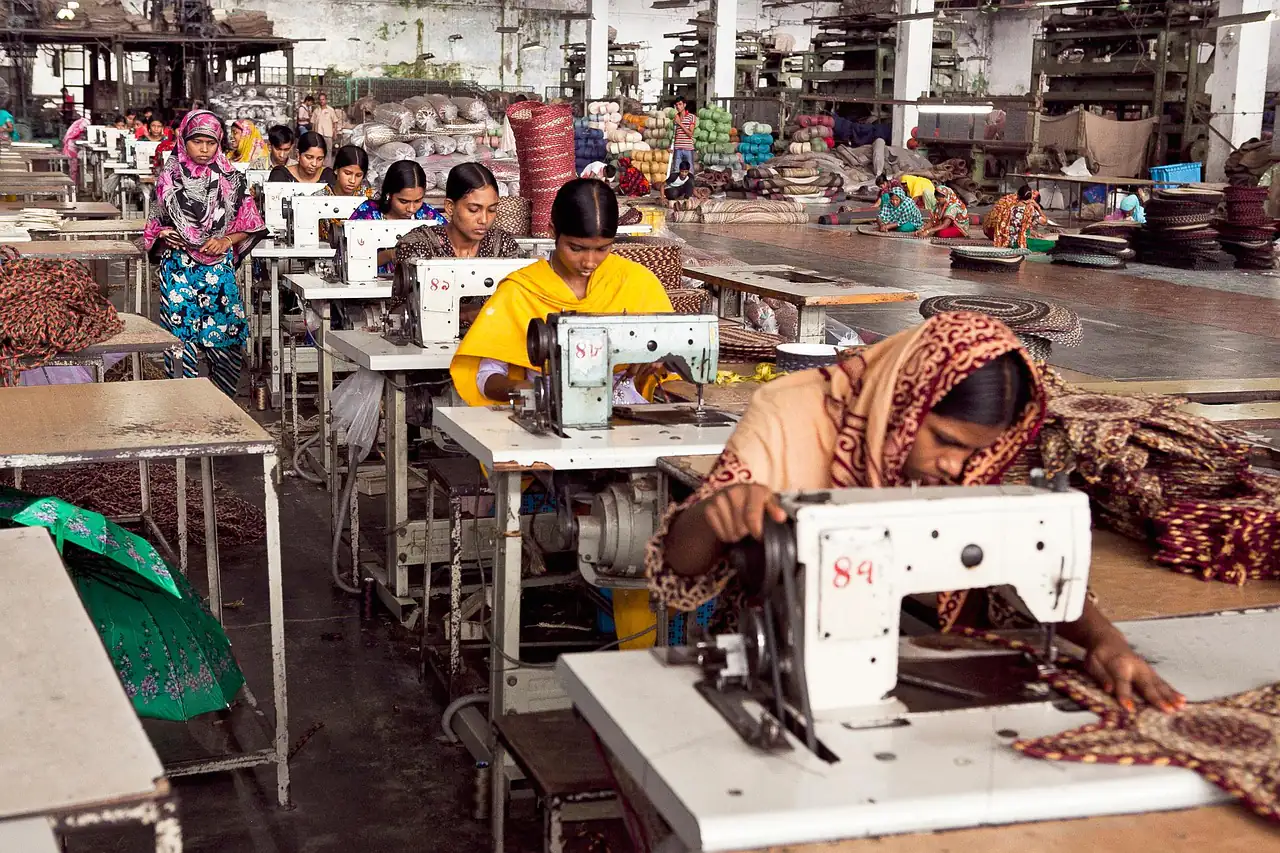
Different hands on the bulk. The sampling room has a maker's best tailors. Bulk may run on a different line or in a partner unit, especially if your order is small. That's normal in Indian clusters and not a red flag on its own (our piece on job work and subcontracting explains why). The check is inline photos of your goods on the line at about a tenth of the run, and an inspector who visits the unit actually making them.
Mixed lots. Two batches of raw material in one order, one of them fine and one not. Our quality control section tells the story of a wool order where exactly that happened, so I won't retell it. The check is an inspection sample drawn from every lot and every colour, not from a pile the factory lays out.
| Failure mode | The check |
|---|---|
| Weight reached with finish, not fibre | GSM cutter test on raw fabric before cutting, and a weight test after one wash |
| Shrinkage from cutting unrelaxed fabric | A written maximum shrinkage, measured after washing |
| Different hands on the bulk | Inline photos at about a tenth of the run, and an inspector at the unit making them |
| Mixed lots | Inspection samples from every lot and every colour |
The pre-production sample, every time. One buyer described the difference cleanly: a "PP sample" is "made using exact fabric, trims etc." (r/ClothingStartups, 2025 (opens in a new tab)). Approve that one, seal it, sign it, and keep one copy each. It becomes the yardstick every later check measures against.
If the maker can't produce a PP sample in bulk fabric yet, the fabric probably isn't bought yet. That's useful to know before you agree a ship date.
Not really, and I think it's unfair to frame it that way. A Hacker News commenter describing Chinese contract makers wrote "You might also get great first articles … then they'll take the A team off of your line" (Hacker News, 2023 (opens in a new tab)). It's what happens when your order is small next to the factory's other work. Defenders of Indian suppliers say the same - the issue is "inconsistency across too many small players", not skill (an Indian parts supplier, r/manufacturing, 2025 (opens in a new tab)).
So the real lever is your leverage. A buyer whose balance payment waits on a passed test has leverage. A buyer who paid in full before the goods were packed has none.
If the order is too small for an inspection firm's minimum, it's still worth it on a first order, because it's the only record you'll have of how the supplier behaves.
If the bulk is late as well as different, reading 'ready next week' messages helps you find where the order really is.
If you'd rather someone on the ground ran the PP approval, inline photos and the final check, SourcingSync (opens in a new tab) does that for orders of any size.
It's one production agent's number, not a standard. Agree your own limit for your fabric with the maker and your lab.
It catches what an inspector can see and measure on the sample drawn. Fabric weight after washing and shrinkage need a specific test, so name them in the booking.
Usually yes, and a paid PP sample is cheap insurance. Free samples are common from experienced exporters, but they don't change what you need to approve.
The hoodie that weighed right and felt right would have failed one simple test - weigh it after a wash. That's the pattern with every failure here. The sample proved the maker could do it. Your job is to check that the bulk is the same thing, while you still hold the balance.
Ready to act
Want the goods checked before they ship?
SourcingSync can arrange inspection in India and tell you what the bulk really looks like before you pay the balance.
Where Indian cotton T-shirts are made, what Australia, NZ, the UK, US, EU and UAE charge on them, which origin proof you need and what to test first.
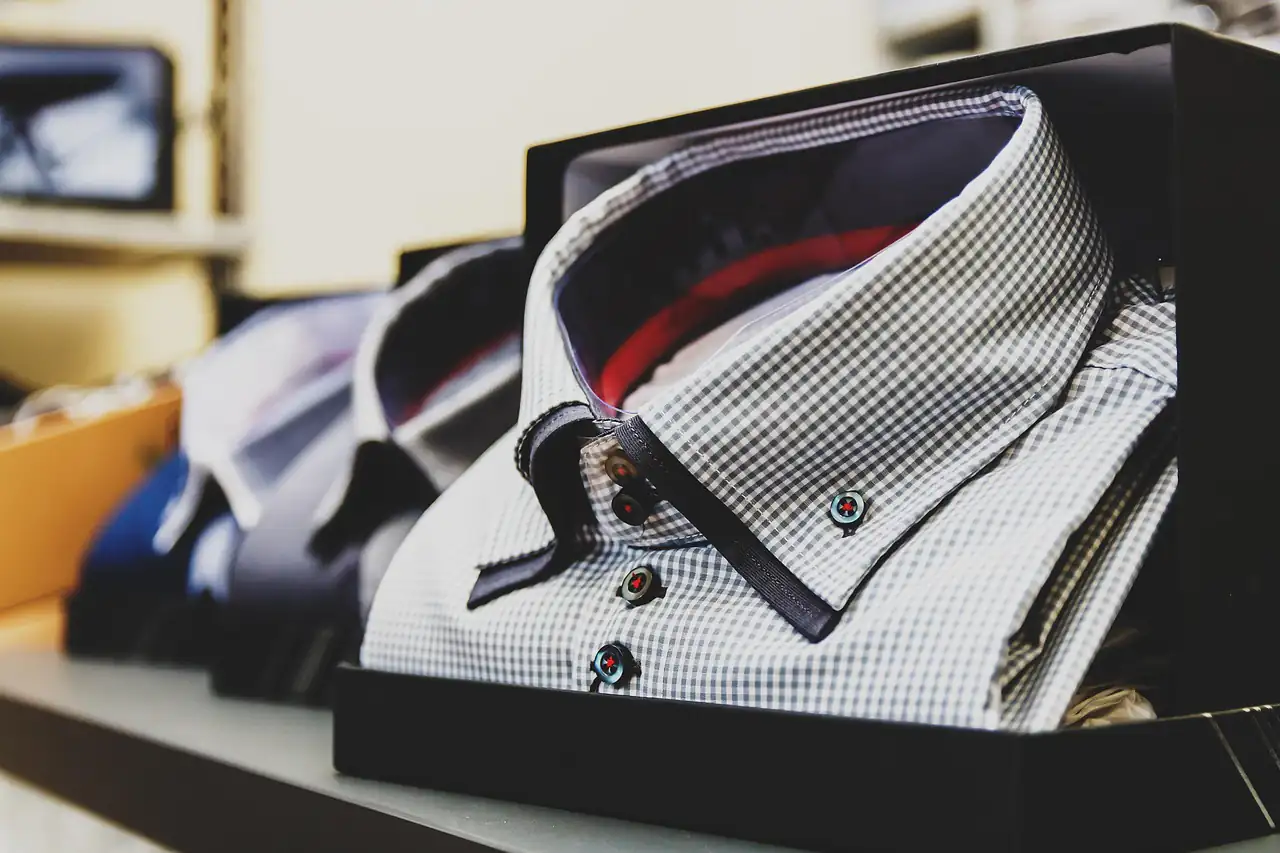
Textile sourcing by product family: apparel, knitwear, home textiles, handloom and jute. Where each is made, what importers buy from India, and the border rules that change your cost.
Yash Khatri founded SourcingFrom to give buyers outside India the full picture of sourcing from India: what the country makes well, where it is made, who makes it and how it ships.
Leave your email and the PDF downloads straight away. We don't email it to you.
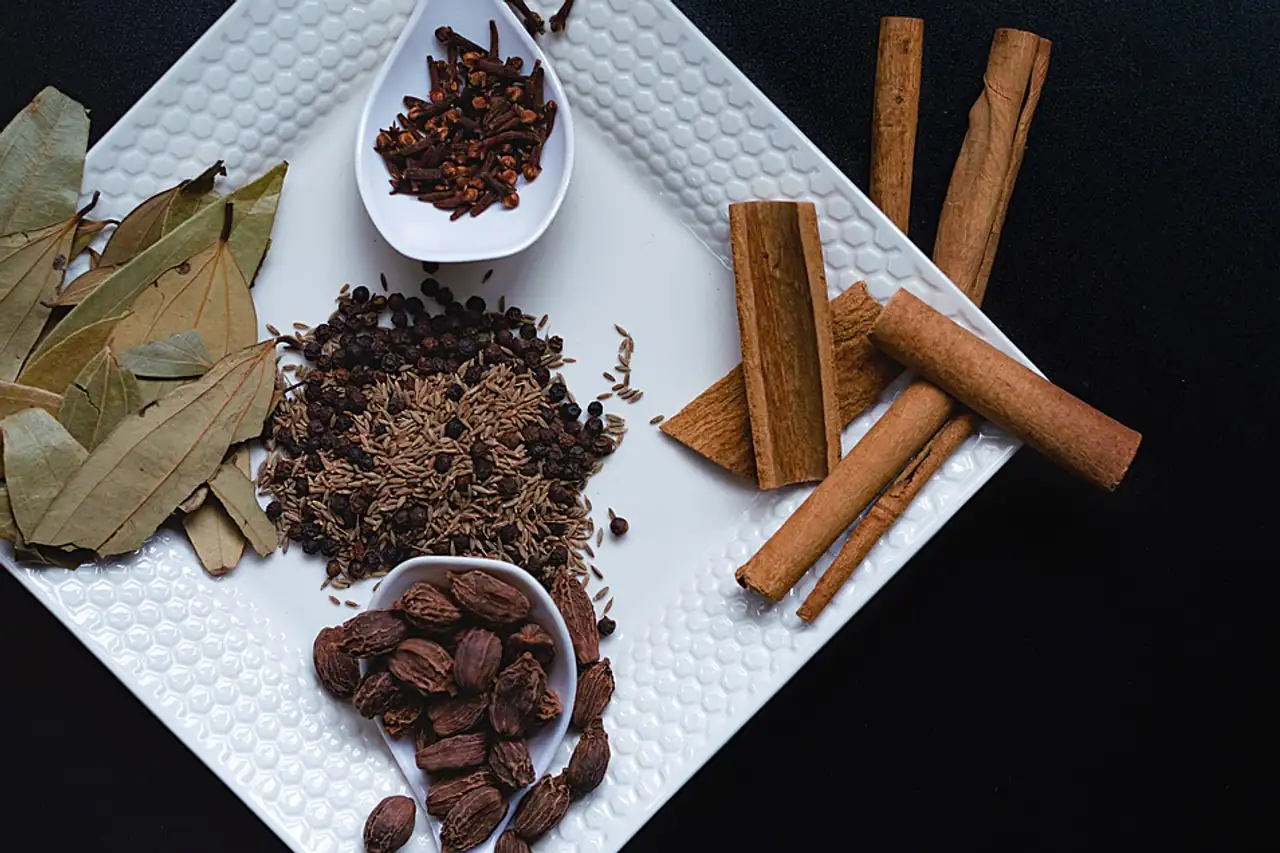
India had more failing records in Australia's imported food tests than any other country in every full year from 2021 to 2025, 411 of 1,799 records to July 2026. Nearly all fall into six repeatable patterns, from Salmonella in chilli powder to hydrocyanic acid in tapioca chips, and each can be tested for or designed out before the goods leave India.
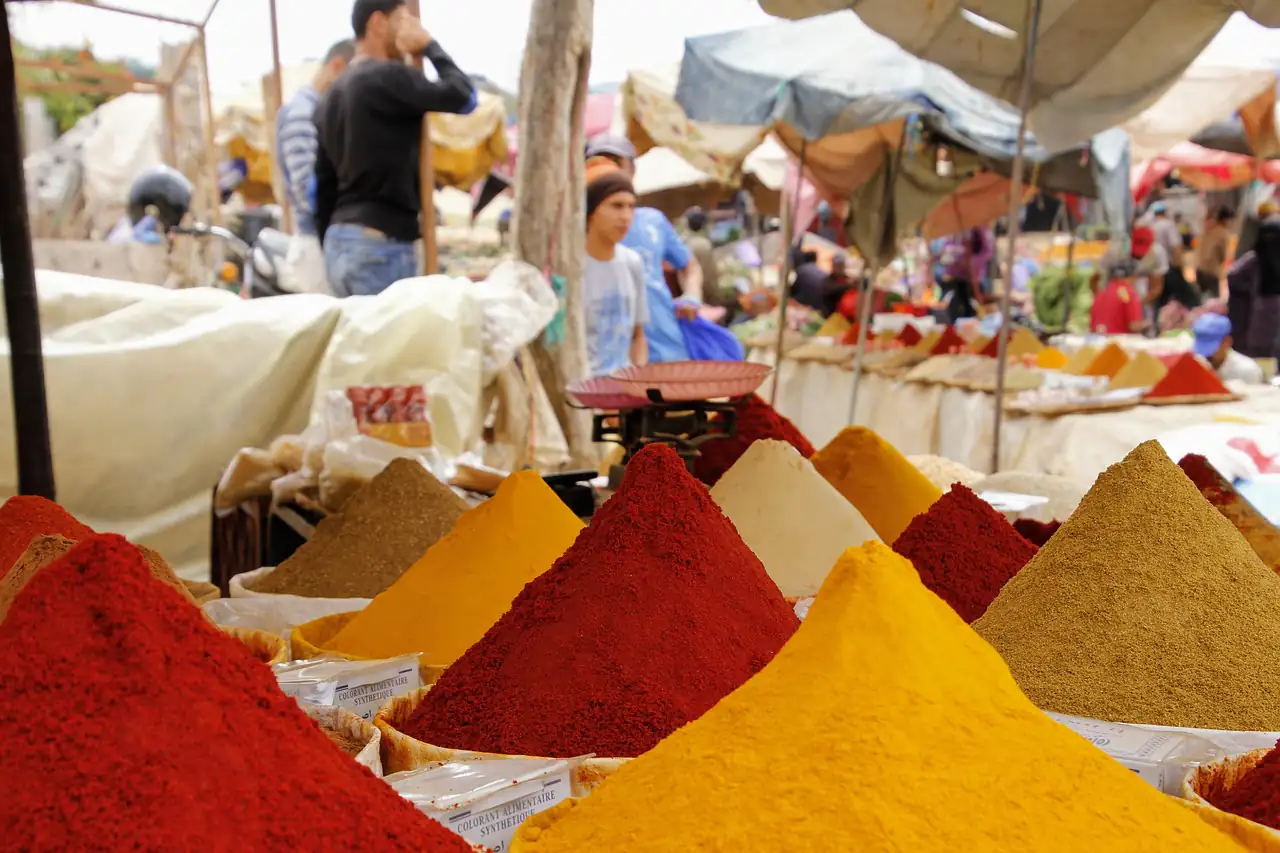
Indian spices fail different tests at different borders. In our count of official records from 2021 to September 2026, the EU mostly rejected them for pesticide residues, the US for Salmonella and filth, and Australia almost entirely for Salmonella, so the test panel has to follow the destination.
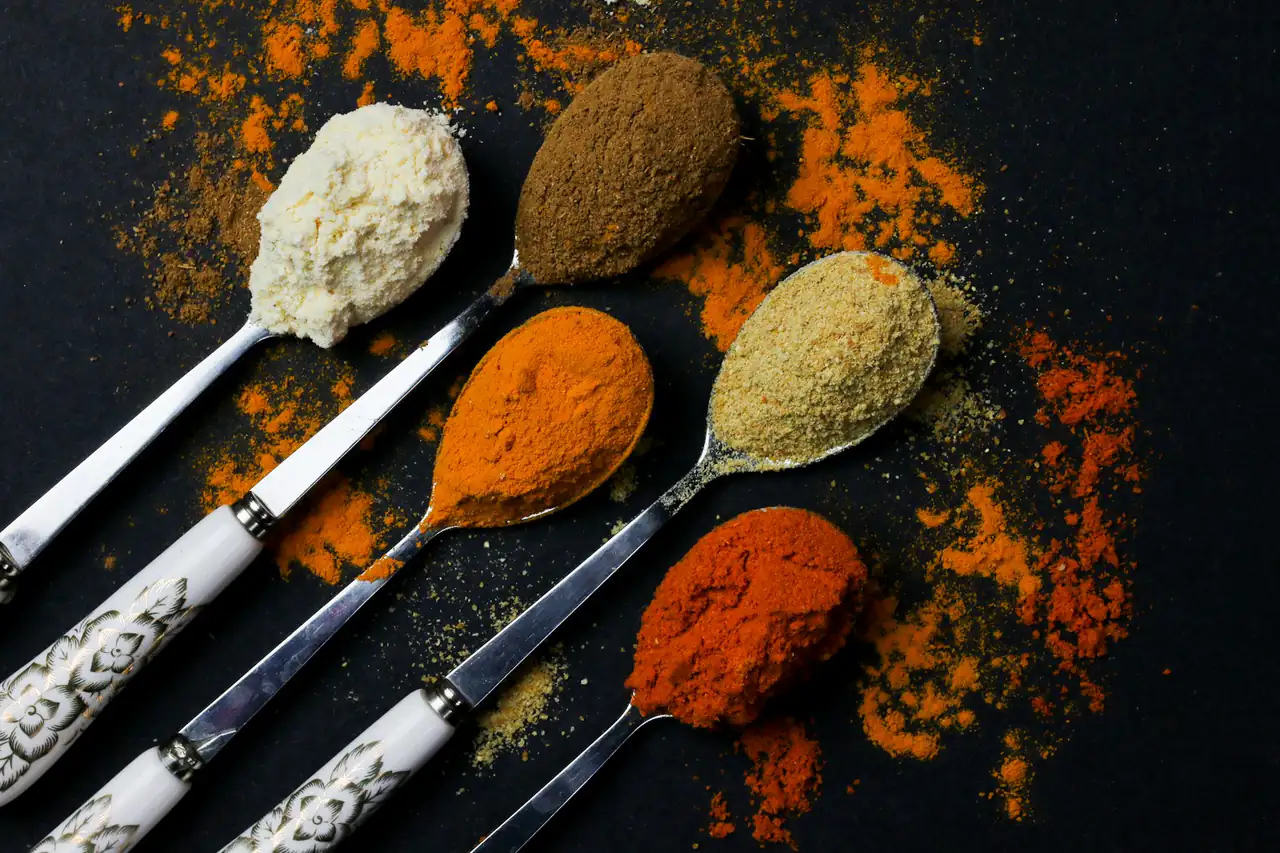
Each border tests imported food for different things: the EU hunts pesticide residues, the US acts mostly on firms through import alerts, and Australia tests risk foods against its own Food Standards Code. This guide uses about 22,000 official records on Indian food to show how to build a test panel per destination and test before you ship.

Sea freight from India to Sydney, Melbourne, Brisbane or Fremantle takes about 25 to 36 days port to port, and about five weeks door to door. No carrier we read sails direct, every box changes ship at a hub such as Singapore, Port Klang, Colombo or Tanjung Pelepas, and a missed connection can push a shipment past 50 days.

Sea freight from India to Auckland takes about 29 to 32 days port to port on a Port Klang relay, and 36 to 39 days to Tauranga. Other routings we read took 51 to 97 days because they relayed through North Asia or Oakland, so the relay your forwarder books decides your transit.

Mundra is the closer port for every north Indian cluster we mapped, but closer is not always faster. In the schedules we read, Mundra was quicker to the US East Coast, Nhava Sheva was quicker to the UAE, New Zealand and slightly quicker to Europe, and for Australia the two are close.