

Yash KhatriFounder, SourcingFrom
Yash Khatri founded SourcingFrom to give buyers outside India the full picture of sourcing from India: what the country makes well, where it is made, who makes it and how it ships.
5 min read
Indian suppliers often ask for 100% advance on a first order because small makers lack working capital and your money pays for the materials. It is not a red flag on its own, and it is negotiable. A letter of credit, documents against payment or a deposit tied to inspection can replace much of the advance.
A full advance is common from Indian suppliers on a first order, and it's usually about money, not trust. Many small manufacturers don't have easy access to working capital, so your advance is what pays for the yarn, the leather or the metal. It's not a red flag on its own, but it is negotiable, and the terms a supplier will accept tell you a lot about what kind of business it is.

An Indian manufacturer with eight years on IndiaMART summed up the domestic habit in 2025: "Almost all first time deals are 100% cash upfront" (r/IndiaBusiness, 2025 (opens in a new tab)). He was describing Indian buyers, not foreign ones, but that's the starting point your supplier brings to your first email. This post explains why, what changes the answer, and how to read a supplier's stance. The caveat - nobody publishes what terms Indian exporters actually accept from first-time foreign buyers, so the ranges below are what trade voices report, not a norm.
Because someone has to pay for the materials before your goods exist, and for many small Indian makers it can't easily be them. Bank credit for small units is harder to get than most foreign buyers assume, so the cash cycle runs on customer money. A merchant exporter is in the same position one step removed: "I also have to pay farmers or manufacturers in advance, because they don't work on credit" (r/exportersindia, 2025 (opens in a new tab)).
There's a second reason, and it's fair to hear it. Indian exporters get burned too. One posted in 2026 that a US buyer of three years was refusing to pay most of an invoice. The replies said "never export without payment" (the full story is on paying an overseas supplier safely). Your supplier has read threads like that. So have you.
This is the part most guides skip. An Indian exporter holding your letter of credit can usually go to its bank and borrow against it before shipping. That loan is pre-shipment or packing credit, and RBI rules describe it as finance for "the purchase, processing, manufacturing or packing of goods prior to shipment", backed by the overseas buyer's LC or a confirmed order (RBI Master Circular on export credit, 2015 (opens in a new tab)). Since November 2025 those rules sit in the export credit chapter of the RBI's Credit Facilities Directions (opens in a new tab), so your supplier's bank applies the current version. In plain words, your LC can replace your advance as the maker's working capital.
That's why many established makers are happy to work against an LC, and why a full advance request can sometimes melt into "LC at sight" once you offer one. The LC costs you bank fees and paperwork, so it earns its keep on a first large order or anything made to your design. Ask your own bank what it charges before you offer it.
Quite a lot. Read it as information, not as an insult.
"100% advance, no exceptions." Often a small maker without bank lines, or a trader that buys stock only after your money lands. One Mumbai spice start-up said in 2026 it would "only procure bulk inventory after securing a 30% to 50% advance from the buyer" (r/exportersindia, 2026 (opens in a new tab)). That's a normal model. Just know you're funding it.
"Advance, or an LC." Usually an exporter with a bank relationship and export experience. That's a good sign.
"We'll take documents against payment." Indian exporters rank their preferences as advance, then LC, then D/P. One told his peers to "Push for Advance and settle not below DC (DP)" (r/exportersindia, 2026 (opens in a new tab)). A supplier offering D/P is confident enough in its goods to ship before your money moves.
One more note. From 1 October 2026, an Indian exporter with long-overdue export proceeds can be restricted to exporting only against full advance or an irrevocable LC (RBI FEMA 23(R)/2026-RB (opens in a new tab), as read on our payment methods guide). So a strict "advance or LC only" can occasionally be a legal restriction rather than a choice. It's fair to ask.
Offer something in exchange for a smaller advance. A deposit sized to materials, with the balance against a passed inspection and the bill of lading copy. Or D/P. Or an LC that names your inspection certificate as a required document. All three give the maker certainty and give you an event to pay against.
| Offer | What the maker gets | What you pay against |
|---|---|---|
| Deposit sized to materials | Cash for the materials | Balance on a passed inspection and the bill of lading copy |
| Documents against payment (D/P) | Payment before you get the documents | The shipping documents |
| LC naming your inspection certificate | Something its bank can lend against | A passed inspection, presented as an LC document |
And if you do pay a big advance, make it safer. Pay a corporate account in the exporter's registered legal name, matched to its GST record and invoice. Start with a small first order. The checks are on how to verify Indian suppliers.
Related reading: why FOB India quotes and invoices differ, is there trade assurance for India and settling a payment dispute with a supplier.

If you'd rather someone else held the milestones and released money only when they're met, SourcingSync (opens in a new tab) runs staged payments against inspection for buyers in India.
Not on its own. Combined with no verifiable company, a personal bank account or pressure to pay fast, it is.
Reported ranges run from 10 to 50%. Size yours to what it buys, mostly materials, and attach the balance to an event.
Many will, because they can borrow against it. Ask early, before price talks end.
That IndiaMART maker was describing a cash economy, not a scam. Offer him something his bank can lend against, or an event he can trust, and the 100% usually starts to move. If it never moves at all, you've learned what kind of business you're dealing with, and that's worth knowing too.
Ready to act
Want the payment terms and the deal handled for you?
SourcingSync can manage the supplier, the terms and the payment steps, so money moves when the goods are right.
Yash Khatri founded SourcingFrom to give buyers outside India the full picture of sourcing from India: what the country makes well, where it is made, who makes it and how it ships.
Leave your email and the PDF downloads straight away. We don't email it to you.
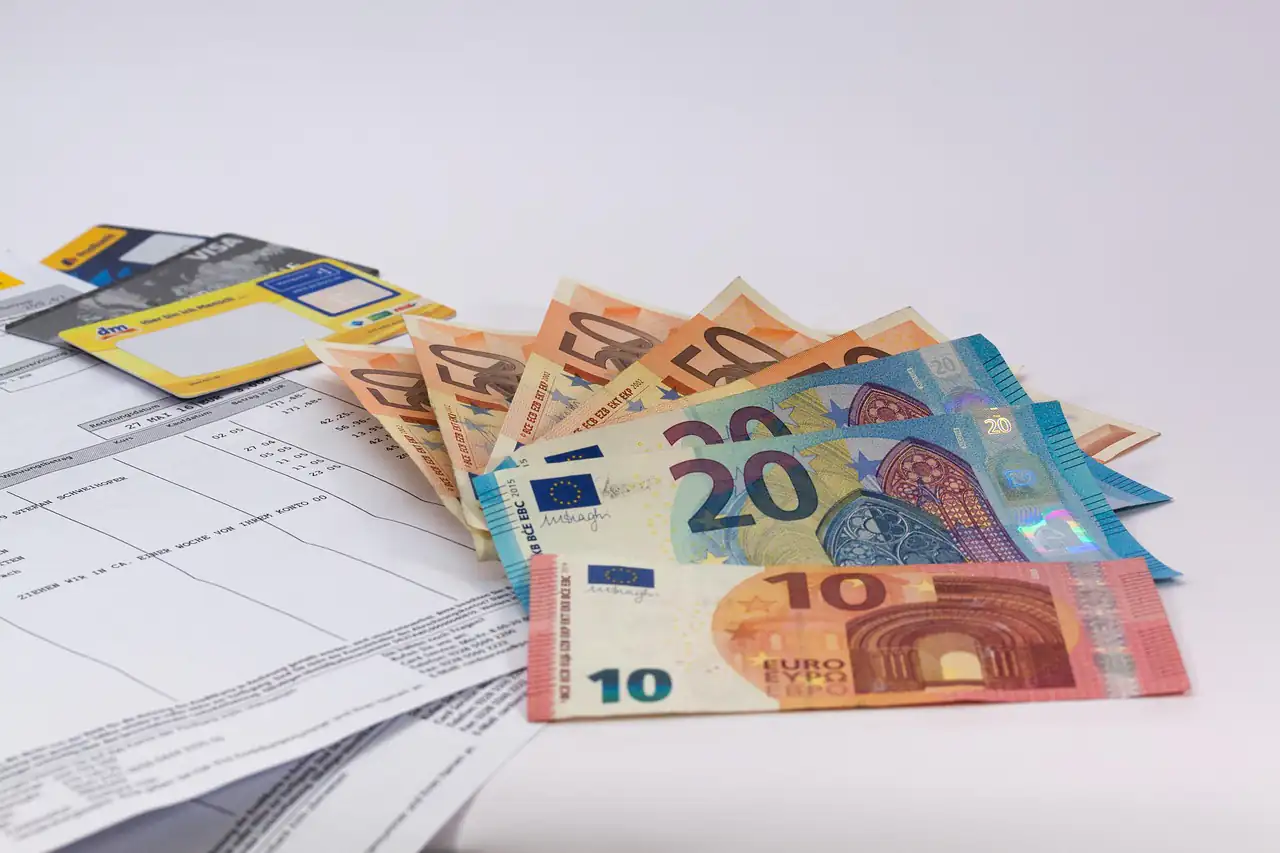
What each way of paying an overseas supplier actually protects, from advance wires and deposits against a bill of lading copy to documentary collections, letters of credit, open account and platform payments. India is the worked example, with a first-order payment plan and the Indian export rules that apply from 1 October 2026.
What to do when an overseas supplier, often an Indian one, has your deposit and has stopped answering. It sets out the first 48 hours by payment method, a ladder of recovery routes from a dated demand to the DGFT complaint and a visit, and why suing at home may not help.

Partly. Since June 2025 Alibaba.com offers Trade Assurance to Indian suppliers who opt in, but only for payments made on the platform. IndiaMART offers foreign buyers no payment protection, so for most Indian orders your protection comes from how you pay.

Sea freight from India to Sydney, Melbourne, Brisbane or Fremantle takes about 25 to 36 days port to port, and about five weeks door to door. No carrier we read sails direct, every box changes ship at a hub such as Singapore, Port Klang, Colombo or Tanjung Pelepas, and a missed connection can push a shipment past 50 days.

Sea freight from India to Auckland takes about 29 to 32 days port to port on a Port Klang relay, and 36 to 39 days to Tauranga. Other routings we read took 51 to 97 days because they relayed through North Asia or Oakland, so the relay your forwarder books decides your transit.

Mundra is the closer port for every north Indian cluster we mapped, but closer is not always faster. In the schedules we read, Mundra was quicker to the US East Coast, Nhava Sheva was quicker to the UAE, New Zealand and slightly quicker to Europe, and for Australia the two are close.