

Yash KhatriFounder, SourcingFrom
Yash Khatri founded SourcingFrom to give buyers outside India the full picture of sourcing from India: what the country makes well, where it is made, who makes it and how it ships.
5 min read
An FOB India quote fixes the supplier's price, not your freight bill. Indian port charges are billed on line tariffs to the booking party, LCL destination charges are often set after sailing, and consolidation, inland trucking and surcharges add more. The post lists each charge line, who bills it and what to put in writing before booking.
Because "FOB India" fixes the supplier's price, not your freight bill. Indian port charges are billed on the shipping line's tariff to whoever booked the ship, which under FOB is your forwarder, and LCL destination charges are often set by the destination agent after the cargo has sailed. Add consolidation, inland trucking and mid-voyage surcharges, and the invoice drifts away from the quote.
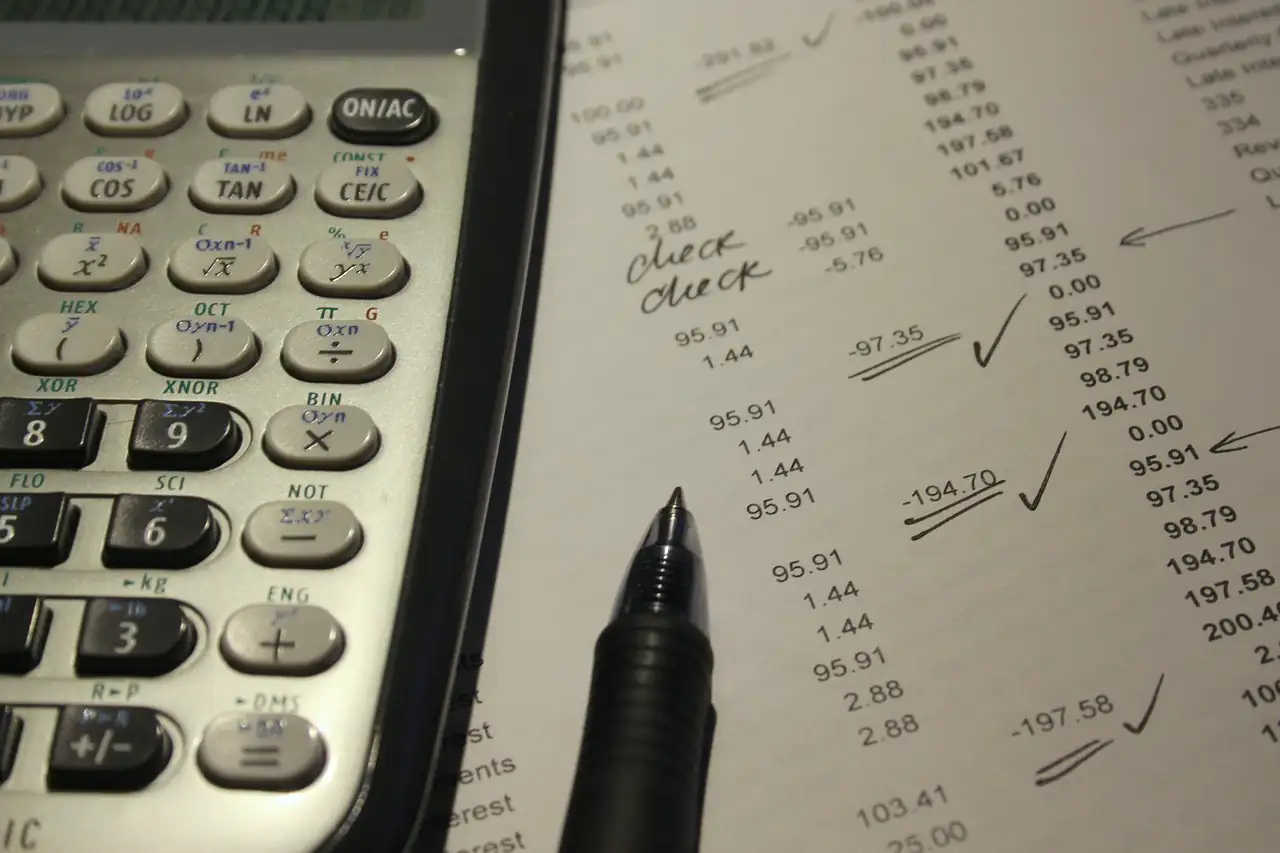
This is one of the most repeated complaints in the forum threads we log, and it's rarely anyone being crooked. It's the way the bill travels. Below is each charge line that tends to appear, when it appears, who bills it, and the one sentence to put in writing before you book. I'm deliberately not giving amounts. They change by port, line and month, and nobody publishes a rate sheet we could stand behind.
Under FOB the supplier delivers the goods on board the ship at the named Indian port, and carries the cost and risk until then (FOB). Freight, insurance and everything at your end are yours. On paper, loading costs at the Indian port belong to the seller.
The trouble is who gets the invoice. Indian terminal handling and related port charges are set on the shipping line's local tariff and billed to the booking party. Under FOB, you book the ship through your forwarder. So those charges land on your forwarder's bill, and then on yours, even though the term says the seller pays to load. An Indian exporter calls this "the FOB trap" (LinkedIn, May 2026 (opens in a new tab)). That's the first gap.
Here's the bill in the order it builds up. The "who bills" column is who usually sends the invoice, not who should carry the cost under your term. That second question is the one you fix in writing.
| Stage | Charge lines that appear | Usually billed by | When you find out |
|---|---|---|---|
| At the Indian port | Terminal handling, bill of lading fee, seal, VGM, documentation | Line's agent, through your forwarder | After booking |
| Inland, for LCL | Trucking from an inland depot to the port, freight station handling | Forwarder or co-loader | Often after pickup |
| Several suppliers in one box | A shipping bill and gate and handling charges per supplier | Each supplier's agent, or your forwarder | When the consolidation closes |
| At sea | Fuel, emergency, war-risk or peak season surcharges | Carrier, through your forwarder | Sometimes after sailing |
| After a roll or diversion | Storage, demurrage at the Indian port | Terminal and line | After the event |
| At your port, for LCL | Destination handling, delivery order, unpacking | Destination agent | Often on arrival |
Sources for the pattern: forum and LinkedIn practitioner posts logged in our research (FS-SHP-054, 056, 058, 059, 044) and the carrier update cited above. Indicative.
Two rows surprise people most. The multi-supplier row, because "every supplier files a separate shipping bill and you pay separate gate/handling charges" (r/supplychainIndia, 2026 (opens in a new tab)), so buying from Jaipur and Moradabad into one box isn't one set of charges. And the inland row, because LCL from an inland depot often can't be consolidated there. An Indian forwarder's blunt version: "for LCL jaipur icd dont stuff a console box" (r/exportersindia, 2026 (opens in a new tab)). The cargo gets trucked to Nhava Sheva or Mundra, and somebody pays for the truck.
Two reasons. A small shipment carries a stack of fixed charges whatever its size. An Indian exporter counted about ten of them on a small LCL (r/exportersindia, 2026 (opens in a new tab)), so on one or two cubic metres they can outweigh the ocean freight.

And LCL destination charges are set by the destination agent, who may not be the party that quoted you. Forwarders say themselves that "many importers receive an attractive LCL freight quote, only to find that the destination agent collects substantial local charges" (LinkedIn, Indian forwarder, Jul 2026 (opens in a new tab)). The same voices say it happens far less with full containers on the main lines. If you're near the line between the two, LCL vs FCL sets out where it falls.
Five sentences, and they cover most of it.
None of this needs a big negotiation. It needs asking early, when you still have the choice of another forwarder. Comparing quotes line by line is covered in choosing a freight forwarder.
Sometimes, if the line was clearly the seller's under your PO wording, and rarely if it wasn't written down. Surcharges for diversions are the hardest. When Gulf routes shut in March 2026, cargo owners whose boxes were dropped at Nhava Sheva were billed storage and war-risk charges before any reroute was offered, according to buyers and an exporter posting at the time (logged in our research, FS-SHP-044). Your term decides who carries that, so read it before the next crisis, not during it.
If you'd rather have someone check each freight invoice against its quote and chase the difference, that's execution, and SourcingSync (opens in a new tab) does it for buyers importing from India.
The seller should, because loading on board is the seller's job. In practice the line bills them to the booking party, your forwarder, so write in the PO that the seller carries them.
The destination agent often sets them after the cargo sails, and the quote you accepted may not have included its tariff. Get it in writing before departure.
Not for destination charges. Under CIF the seller's forwarder chooses your destination agent, and you won't see its tariff unless you ask. See CIF.
It varies by port, line and month, and no one publishes a survey. Ask your forwarder for the current list for your port and line.
Related: Choosing a freight forwarder · FOB · LCL vs FCL · Mundra or Nhava Sheva? · CIF, DDP and FOB explained · Sea freight routes
Ready to act
Want the payment terms and the deal handled for you?
SourcingSync can manage the supplier, the terms and the payment steps, so money moves when the goods are right.
Yash Khatri founded SourcingFrom to give buyers outside India the full picture of sourcing from India: what the country makes well, where it is made, who makes it and how it ships.
Leave your email and the PDF downloads straight away. We don't email it to you.
Whether to let your Indian supplier choose the forwarder or bring your own depends on shipment size, frequency and value. The supplier's forwarder is fine for small, simple shipments with every charge quoted in writing. For full containers or regular orders, buy FOB or FCA with your own forwarder and compare quotes in five blocks.
Our read of US shipping records for 21 Indian product lines found that 19 of the 20 biggest "Indian suppliers" are freight forwarders or logistics firms, and that many bills carry no shipper name at all. The post explains why the lists come out this way and how to tell a maker from a mover.
FOB, CIF and DDP are three Incoterms 2020 rules that set who pays for each leg of the trip and where risk moves from seller to buyer. Under FOB and CIF risk passes to you on board at the origin port, and under DDP the seller carries it to your door and acts as importer of record. For an ecommerce importer buying from India, the author recommends FOB, or FCA for inland suppliers, with your own forwarder.

Sea freight from India to Sydney, Melbourne, Brisbane or Fremantle takes about 25 to 36 days port to port, and about five weeks door to door. No carrier we read sails direct, every box changes ship at a hub such as Singapore, Port Klang, Colombo or Tanjung Pelepas, and a missed connection can push a shipment past 50 days.

Sea freight from India to Auckland takes about 29 to 32 days port to port on a Port Klang relay, and 36 to 39 days to Tauranga. Other routings we read took 51 to 97 days because they relayed through North Asia or Oakland, so the relay your forwarder books decides your transit.

Mundra is the closer port for every north Indian cluster we mapped, but closer is not always faster. In the schedules we read, Mundra was quicker to the US East Coast, Nhava Sheva was quicker to the UAE, New Zealand and slightly quicker to Europe, and for Australia the two are close.