Skip to content

Your Supplier Kept Your Deposit: Recovery Routes That Work

Updated

10 min read

What to do when an overseas supplier, often an Indian one, has your deposit and has stopped answering. It sets out the first 48 hours by payment method, a ladder of recovery routes from a dated demand to the DGFT complaint and a visit, and why suing at home may not help.

Key takeaways

  • Work out first whether you face a struggling business, a stalled complaint or a scam that keeps asking for fees.
  • Card chargebacks worked best for buyers, wire transfers generally come back only with the supplier's consent.
  • An Indian exporter with an IEC can be taken to DGFT's Quality Complaints and Trade Disputes route, which can end in suspension of its export licence.
  • India directly enforces money judgments from the UK, Singapore, New Zealand and the UAE, but not from the US or Australia.
  • Stop paying at the first unplanned fee and keep one clean file of every document and message.

If you're reading this, a supplier probably has your money and has stopped answering. The order hasn't shipped, the excuses have run out, or the replies have stopped altogether. This page is what we'd do in your place, in the order we'd do it, starting today.

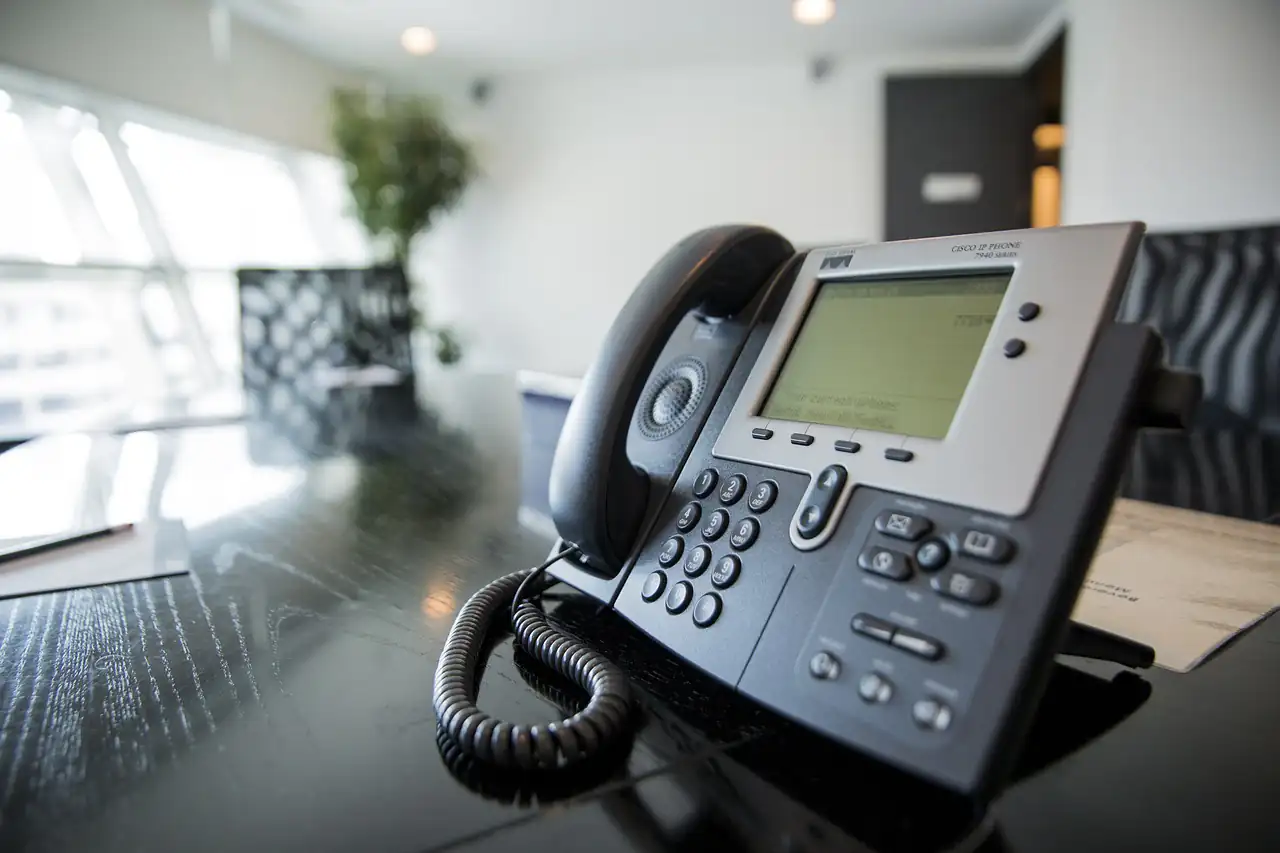
A desk phone in an empty office

We'll be straight with you about the odds. Some routes work well from abroad, some only work if somebody can turn up in person, and one that everyone reaches for first, suing, usually doesn't make sense at small-order sizes. Most of the examples come from India, where we've done the most research, but the logic travels. One honest caveat - we're not lawyers, and once the sum is large enough to justify one, a lawyer in the supplier's country should advise you.

Last researched 12 October 2026 · Next review 12 January 2027 · Written by SourcingFrom

1. First, Work Out Which Problem You Have

Three very different situations look the same from your inbox, and each needs a different response.

A real business in trouble. The supplier exists, makes things and took your order. Something went wrong, a cash crunch, a lost worker, a bigger customer jumping the queue. Indian merchant exporters often use your advance to buy the goods, because their own suppliers want cash (FS-SUP-032, Indian exporters on forums). If their customer before you didn't pay them, your deposit may have plugged that hole. This is the most common case and the most recoverable, because the business wants to keep exporting.

A real business stalling on a complaint. The goods came, or part of them, and they're wrong. Buyers describe a "we will discuss with the team" reply followed by weeks of silence, which only formal escalation moved (FS-SUP-046, a European buyer, 2024).

Not a business at all. Watch for one pattern in particular. After the first payment the seller asks for a "minimum order" top-up, then a "customs" or "exportation" fee, each one apparently refundable (FS-SUP-036, US and Middle East buyers on forums, 2021 to 2026). That's a script, not a supplier. Stop paying at the first unplanned fee, whatever the story.

Which one are you in? The quickest test is whether the business shows up in official records. For an Indian supplier, look up its GST number and its export code (IEC), as set out on how to verify Indian suppliers. A live GST record with a real address and an active IEC means you're dealing with a business that has something to lose, and that changes every route below.

2. The First 48 Hours

Speed matters most in the first two days, and mostly for one reason - money that's still moving can sometimes be stopped.

If you paid by card, start a chargeback now. Card disputes worked better than anything else for buyers in our forum research (FS-SUP-031). Your card issuer sets the time limit, so ring them today and ask.

If you paid by PayPal, open the dispute, but know the catch. PayPal is the usual first-order method with Indian suppliers (FS-SUP-030). Its protection is weaker than people expect. Buyers in disputes over goods from India were told to ship the item back to India at their own cost before a refund (FS-SUP-031, US buyers on r/Etsy, 2023). For a deposit on goods never shipped that problem doesn't arise, so file.

If you paid by wire, call your bank and ask for a recall. Be realistic. A recall is a request to the receiving bank, and once the money has landed in a supplier's account it generally comes back only with their consent. Buyers report that Wise and similar transfers can't simply be reversed (FS-SUP-031, a UK buyer, 2026). It's still worth the call, and it's urgent if you think you paid the wrong account.

If the bank details changed by email before you paid, treat it as fraud first. India's trade directorate warned about exactly this pattern, email spoofing in trade, and advised confirming any bank details over a separate phone call (DGFT Trade Notice 36/2020-21 (opens in a new tab)). If the account name on your payment doesn't match the supplier's registered legal name, tell your bank it's a suspected fraud today, and report it to the police in your country.

Paid byWhat to do nowWhat to expect
CardStart a chargeback today, ask your issuer for the time limitWorked better than anything else for buyers in our research
PayPalOpen a disputeFor goods that arrived wrong, expect to be asked to return them at your cost
Wire (bank, Wise and similar)Call your bank and ask for a recallOnce landed, money generally comes back only with the supplier's consent

Freeze the paper. Save the PO, proforma invoice, payment proof, every email and WhatsApp message, the sample approval and any photos. Export the chats now, because accounts get deleted. Everything that follows runs on this file.

And don't send any more money. Not for "release fees", not for a partial shipment, not to "free up" goods. Every route below gets weaker if you keep paying.


3. The Routes, From Cheapest to Heaviest

Once the first 48 hours are done, here's the ladder. Climb it in order, and give each rung a deadline you set in writing.

A businessman signing a contract

Rung 1. A firm, dated demand. One email, polite and specific. What was ordered, what was paid and when, what you want (shipment by a date, or a refund by a date), and what you'll do next if neither happens. Name the next step. A real business that's struggling often answers this one, because it now knows you know the routes.

Rung 2. The official complaint. For an Indian exporter, that's DGFT's Quality Complaints and Trade Disputes route. A foreign buyer can file online for non-supply, part supply, wrong goods, quality failure or missed delivery, a committee at the exporter's regional office calls them in, and the end of the road can be suspension of the exporter's IEC, its licence to export at all (DGFT QCTD (opens in a new tab)). We set out the steps on what to do when it goes wrong. Two points we'd add here. It works only against a business with an IEC, so check that first. And it works on the file you bring, so a complaint built from section 2's paper beats an angry one. Copy the Indian embassy or high commission in your country, which buyers on forums also advise (FS-SUP-047).

Rung 3. The supplier's export council. Most Indian exporters hold a membership certificate (RCMC) from an export promotion council for their sector. A letter to the council, copied to the supplier, adds pressure from a body the supplier needs. We couldn't find a published grievance procedure for foreign buyers at the councils we checked, so treat this as pressure, not as a route with a process.

Rung 4. Someone at the door. This is the rung buyers skip and shouldn't. The strongest pattern in our forum research is that buyers succeed when their own person is on the ground and fail when they manage remotely (FS-SUP-018). The same is true of disputes. A visit tells you in one afternoon whether the goods exist, half-made in a corner, or don't. It turns "we will discuss with the team" into a conversation with the owner. And it often ends with a plan, part shipment now and a refund of the balance, that no email would have produced. If you can't get there, SourcingSync (opens in a new tab) can send someone to the factory, find out where your order really stands, negotiate the recovery and build the complaint file with you.

Rung 5. Lawyers. A legal notice from a lawyer in the supplier's city is the usual first formal step, and it costs far less than a suit. Suing in India means a commercial suit where the supplier is, and for orders around US$10 to 15k Indian lawyers on forums warned that the legal bill can pass the claim (FS-SUP-048, r/LegalAdviceIndia, 2024). That's why the next section matters more than this one.

4. Why Your Home Court May Not Help

Many buyers' first instinct is to sue at home and enforce the judgment. Whether that works depends on a list most people have never heard of.

India enforces foreign money judgments directly only from countries the government has notified as "reciprocating territories" under section 44A of its Civil Procedure Code. The list includes the United Kingdom, Singapore, New Zealand, Malaysia, Hong Kong and, since January 2020, the UAE (Khaitan & Co (opens in a new tab)). The United States and Australia aren't on it. A judgment from there is treated as evidence in a fresh suit in India, not as something to execute (Mondaq (opens in a new tab)). So a US buyer who wins at home starts again in India.

Arbitration awards travel better. India enforces New York Convention awards made in countries it has notified, and published lists include the US, the UK, Singapore and Australia (Bar & Bench (opens in a new tab)). Whether the UAE is notified for awards is disputed among commentators (Kluwer Arbitration Blog, 2025 (opens in a new tab)), so UAE buyers should get local advice before choosing a seat. Check the current position with a lawyer before you rely on any of these lists, because governments add to them.

That's mostly a lesson for your next order. An arbitration clause with a seat in a notified country, set in the contract, is worth far more than a lawsuit you can't enforce. Arbitration still costs money, so it's for orders large enough to justify it, but at least it ends in something an Indian court will act on.

A judge's gavel beside a law book

5. Making the Next Deposit Safer

You can't undo this one. You can make sure it's the last.

Structure payments so the supplier carries some risk as well. A smaller deposit with the balance against shipping documents or an inspection report keeps your hold until the goods exist. Indian exporters rank terms from advance down to letters of credit, documents against payment and open account, and an SME exporter will often settle for documents against payment from a new buyer who won't open an LC (FS-SUP-034, Indian exporters, 2026). A supplier's stance on terms is itself a signal about what kind of business it is. The full menu, with what each method really protects, is on how to pay an overseas supplier safely.

Then put the dispute plan in the contract before anything goes wrong. Delivery dates, a refund trigger, an arbitration clause and a named inspection before the balance. Our RFQ template has the lines.

FAQ

Can I get my deposit back from an Indian supplier?

Often, if the supplier is a real business with an export licence to protect and you escalate in order. Least often, if you paid by wire to a business that doesn't appear in official records.

Is filing with DGFT free?

It's reported to be (TaxTMI (opens in a new tab)). The bigger cost is time, and the committee aims to settle within about three months.

Should I post a public review naming the supplier?

Only facts you can prove, and after you've tried the routes above. Public pressure can work, but it can also end a negotiation that was about to succeed.

Will PayPal refund a deposit?

If goods were never shipped, a dispute is worth filing. For goods that arrived wrong, expect to be asked to return them at your cost.

My supplier is a trader, not a manufacturer. Does that change anything?

Not on its own. Traders are a normal part of Indian trade. It does mean your money may have gone to a factory you never met, so ask the trader where the order sits and who made it.

The Short Version

Stop paying, move fast on anything still reversible, and build one clean file. Then climb from a dated demand to the official complaint to a person at the door, and save the lawyers for sums that justify them. In the buyer accounts we studied, being there beat paperwork, and that holds for disputes too. If you need that somebody, SourcingSync (opens in a new tab) does this work in India. Hope this helps.

Related reading: why Indian suppliers ask for full advance, is there trade assurance for India? and what an Indian GST number tells you.

Ready to act

Want the payment terms and the deal handled for you?

SourcingSync can manage the supplier, the terms and the payment steps, so money moves when the goods are right.

Talk to SourcingSync (opens sourcingsync.com in a new tab)

Download this guide as a PDF

Leave your email and the PDF downloads straight away. We don't email it to you.

How to Pay an Overseas Supplier Safely: What Each Payment Method Really Protects

What each way of paying an overseas supplier actually protects, from advance wires and deposits against a bill of lading copy to documentary collections, letters of credit, open account and platform payments. India is the worked example, with a first-order payment plan and the Indian export rules that apply from 1 October 2026.

Why Does My Indian Supplier Want 100% Advance?

Indian suppliers often ask for 100% advance on a first order because small makers lack working capital and your money pays for the materials. It is not a red flag on its own, and it is negotiable. A letter of credit, documents against payment or a deposit tied to inspection can replace much of the advance.

Latest articles

How Long Does Shipping From India to Australia Really Take?

Sea freight from India to Sydney, Melbourne, Brisbane or Fremantle takes about 25 to 36 days port to port, and about five weeks door to door. No carrier we read sails direct, every box changes ship at a hub such as Singapore, Port Klang, Colombo or Tanjung Pelepas, and a missed connection can push a shipment past 50 days.

Mundra or Nhava Sheva: Which Port Should Your Supplier Ship From?

Mundra is the closer port for every north Indian cluster we mapped, but closer is not always faster. In the schedules we read, Mundra was quicker to the US East Coast, Nhava Sheva was quicker to the UAE, New Zealand and slightly quicker to Europe, and for Australia the two are close.

Type a word you met on the page, a product or a place.