Skip to content

Is India Becoming a Real Electronics Supplier?

Yash KhatriFounder, SourcingFrom
Updated

4 min read

India is a real electronics supplier for big brands, mostly smartphones assembled for global names. For a smaller importer, the proven Indian lines are industrial electrical goods such as transformers, cable and switchgear, while consumer gadgets and components still come mainly from China.

Key takeaways

  • Electronics (HS 85) was 28.4% of all US imports from India in 2025, and India rose to 7th of 192 US suppliers.
  • Most of that is smartphones made for a few global brands, not a supply base a small importer can walk into.
  • In Australia, India holds 4 to 8% of imports in transformers, cable and switchgear, but only about 1% of headphones and speakers.
  • Buyers report the most trouble in precision work from newer exporters, so test samples and witness production.
  • Domestic value added in Indian phones is put at 18 to 20%, with about 60% of inputs imported.

Yes for big brands, and only partly for everyone else. Electronics is now the largest thing the US buys from India, and India is the US's seventh-largest electronics supplier, but most of that is smartphones assembled for global brands. For a smaller importer, India's proven electronics lines are industrial electrical goods such as transformers, cables and switchgear, while consumer gadgets and components still come overwhelmingly from China.

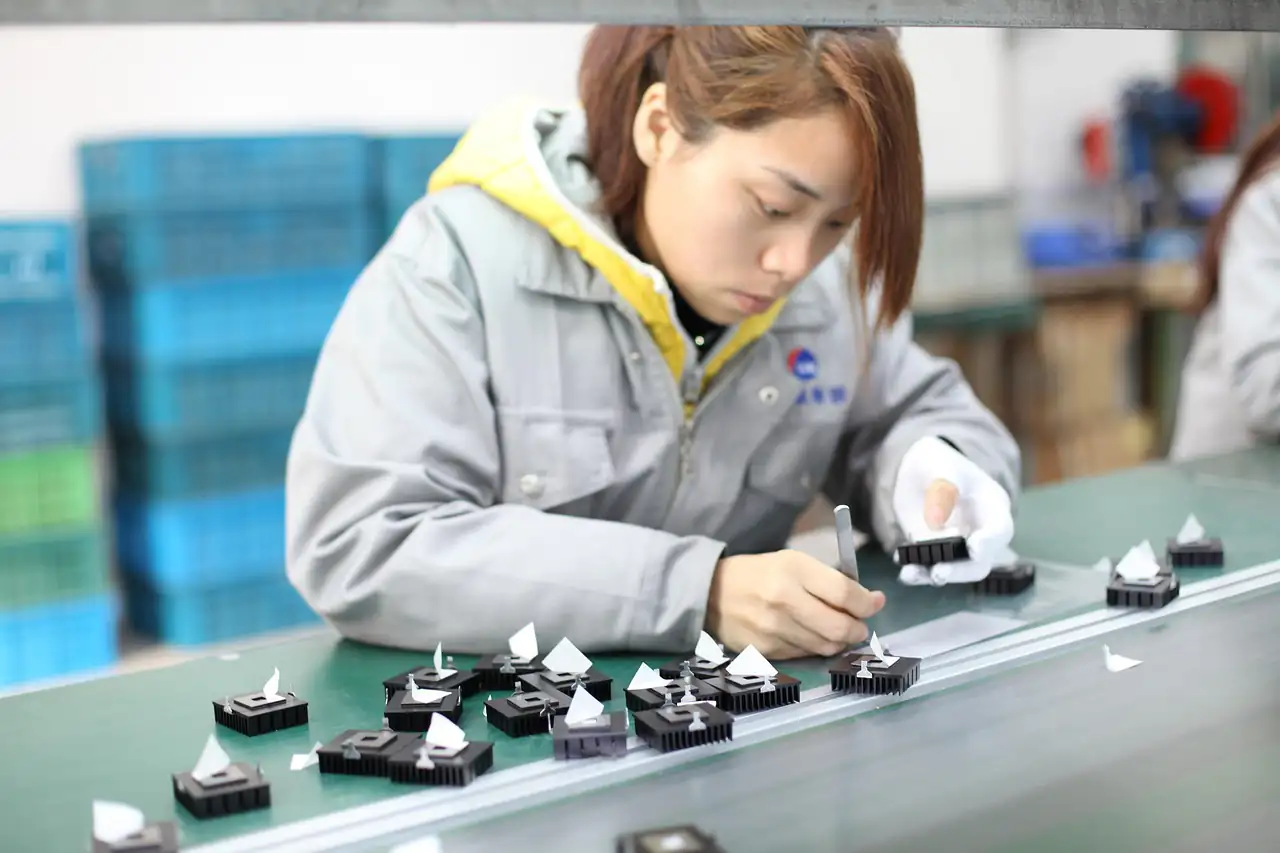
A worker assembling electronic parts on a line

I get asked this a lot by buyers looking for a China+1 option. The honest answer has two halves, and mixing them up is how people waste a sourcing trip. Here's what the trade data shows, and where I'd point a small buyer.

What's Behind the Headline Numbers?

Phones. Smartphones were India's top single export in 2025 at US$30.13 bn (PIB, March 2026 (opens in a new tab)), and India supplied 42.3% of US smartphone imports in 2025 (UN Comtrade, our analysis). That's a real industrial success, built by a few global brands and their contract manufacturers in very large factories.

It isn't a supply base a small importer can walk into. Those lines make one customer's product. If you want 3,000 units of your own Bluetooth speaker, the phone boom doesn't help you directly, though it is slowly building the component suppliers and skilled workers that will.

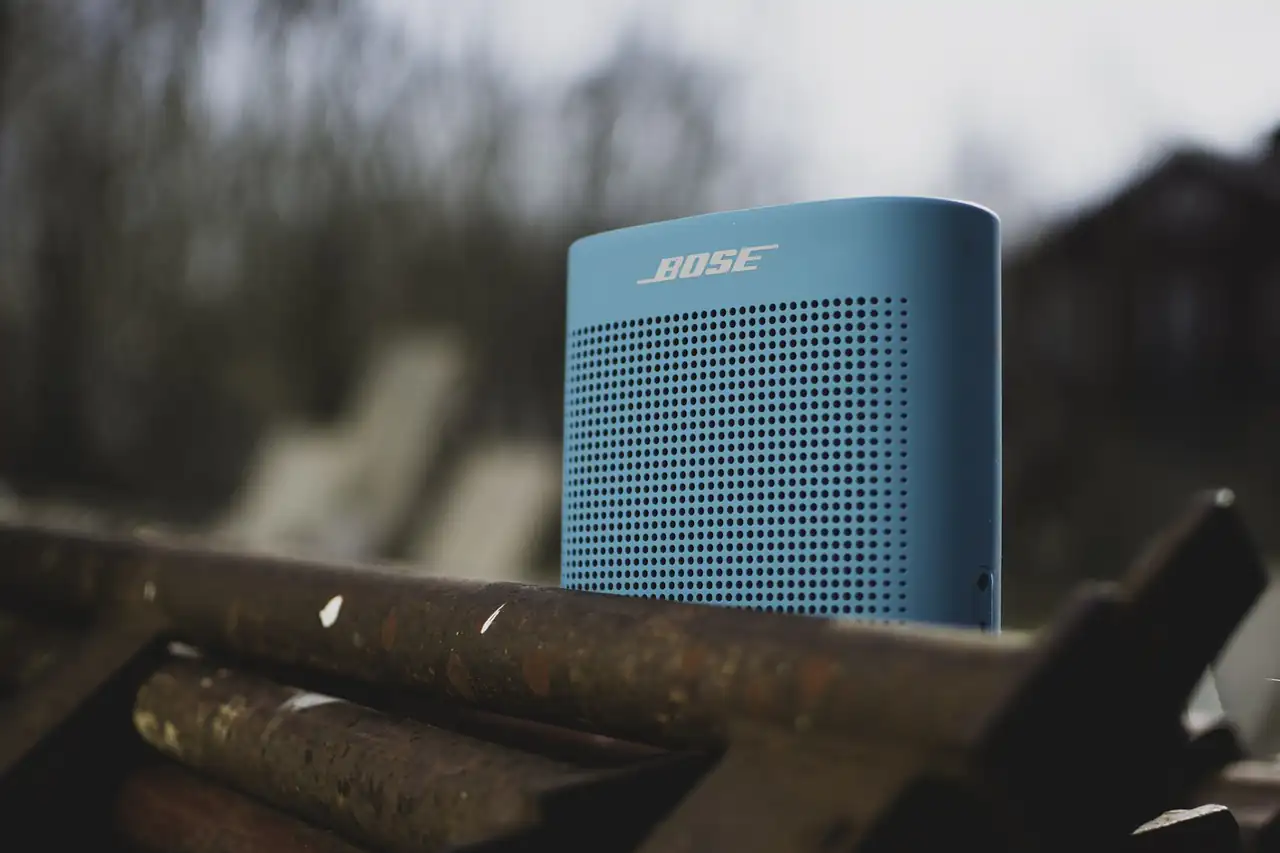
A small portable speaker

Is India Catching Up With China in Electronics?

Not yet, outside phones. China leads electronics imports in every market we track, with India's share running from 1.4% in Australia to 8.6% in the UAE (UN Comtrade, 2025 and 2023). In the US, Mexico, China and Viet Nam all supply more than India. The side-by-side is on India vs China.

New Zealand's 2026 numbers show the trend is real, though. Phones from India rose 190% in January to August 2026 against the same months of 2025, and switchgear 31% (Stats NZ, our analysis). Growth from a small base, but growth.

What Can a Smaller Importer Actually Source?

Look at what Australia, a market of mostly small and mid-sized importers, already buys from India. The top electronics headings are transformers and power converters, insulated wire and cable, switchgear and its parts, generating sets and high-voltage switching gear. India holds 4 to 8% of Australian imports in each (UN Comtrade, 2025). These are industrial and electrical-trade products, made to standards, often by established firms that already export.

Consumer electronics are thin. India supplied about 1% of Australia's headphones and speakers, 0.3% of small domestic appliances and 0.2% of batteries in 2025 (UN Comtrade). That doesn't mean nobody makes them. It means few foreign buyers have found a reliable source yet, and you'd be early.

So my rough rule. If your product is electrical (cable, power supplies, switches, motors, lighting fittings, panels), India is worth a proper RFQ. If it's consumer electronics with your own design, expect to work harder and to lean on imported components. If it's components themselves (chips, displays, boards), buy them elsewhere for now.

Your productExamplesWhere India stands
Electrical and industrialCable, power supplies, switches, motors, lighting fittings, panelsWorth a proper RFQ
Consumer electronics, your own designSpeakers, headphones, small appliancesPossible, but harder and leaning on imported components
ComponentsChips, displays, boardsBuy elsewhere for now
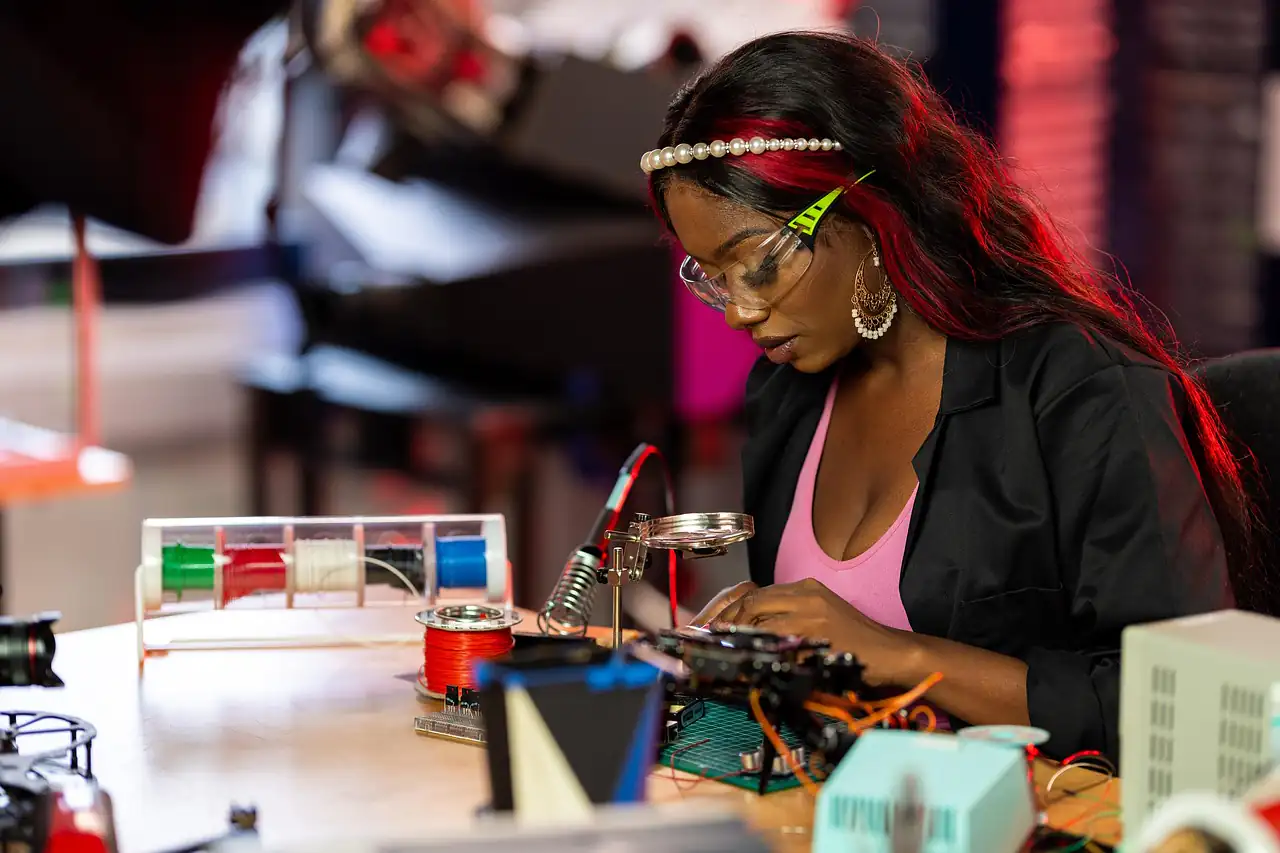
A technician working on electronics at a bench

What Goes Wrong When Buyers Try?

Buyers report the most trouble in precision work - machining, tooling, medtech and electronics. One medtech buyer described factories that were "well equipped and capable on paper, but the reality when audited was very poor" (r/manufacturing, November 2025 (opens in a new tab), from our forum log). Others report suppliers saying yes to every specification and then missing the tolerance.

To be fair to Indian makers, the same buyers say the established export-only firms are a different class from domestic factories trying their first export. That's the distinction to make early. Ask who else they export to, ask for test reports against your market's standard, and pay for a sample before you trust a capability claim. If your design relies on imported parts, also read made in India with Chinese inputs, because component origin can change the duty rate you pay. The rules of origin guide explains the test.

Ready to act

Need hands-on help?

Auditing an electronics or electrical maker's line, witnessing tests and checking the first production run is execution work. SourcingSync can do it on the ground.

Talk to SourcingSync (opens sourcingsync.com in a new tab)

If you are weighing India as a second source, the China plus one guide and what India is good at making put electronics next to the other options.

FAQ

Can I source electronics from India instead of China?

For electrical and industrial products, often yes. For consumer gadgets and components, China is still far deeper. Phones are made in India at scale, but for big brands.

What electronics does India export the most?

Smartphones by far. For smaller buyers, the proven lines are transformers, power converters, cable and switchgear.

Are Indian electronics good quality?

Established exporters can meet international standards. Buyer reports are weakest on precision work from newer exporters, so test samples and witness production.

Is India's electronics share still growing?

Yes. Its share of US electronics imports went from 0.6% in 2019 to 5.9% in 2025, and phones into New Zealand rose 190% in early 2026.

Yash KhatriFounder, SourcingFrom

Yash Khatri founded SourcingFrom to give buyers outside India the full picture of sourcing from India: what the country makes well, where it is made, who makes it and how it ships.

View profile

Download this guide as a PDF

Leave your email and the PDF downloads straight away. We don't email it to you.

Children's Product Safety Rules for Importers: US, UK, EU, Australia

This guide sets out the children's product safety rules in the US, EU, UK and Australia, then shows what actually fails on Indian-made children's goods. The recalls are mostly design and trim faults such as cords, poppers and sleepwear flammability, which are cheap to fix at the pattern stage.

Why 'Indian Manufacturers' Email You After Your First Import

Most "Indian manufacturer" emails after a first import come from agents and traders who found your company in shipment data, not from factories. US sea manifests are public and importer lists take minutes to build. The post shows where the trail starts and how to tell a cold pitch from a real maker.

Latest articles

How Long Does Shipping From India to Australia Really Take?

Sea freight from India to Sydney, Melbourne, Brisbane or Fremantle takes about 25 to 36 days port to port, and about five weeks door to door. No carrier we read sails direct, every box changes ship at a hub such as Singapore, Port Klang, Colombo or Tanjung Pelepas, and a missed connection can push a shipment past 50 days.

Mundra or Nhava Sheva: Which Port Should Your Supplier Ship From?

Mundra is the closer port for every north Indian cluster we mapped, but closer is not always faster. In the schedules we read, Mundra was quicker to the US East Coast, Nhava Sheva was quicker to the UAE, New Zealand and slightly quicker to Europe, and for Australia the two are close.

Type a word you met on the page, a product or a place.