

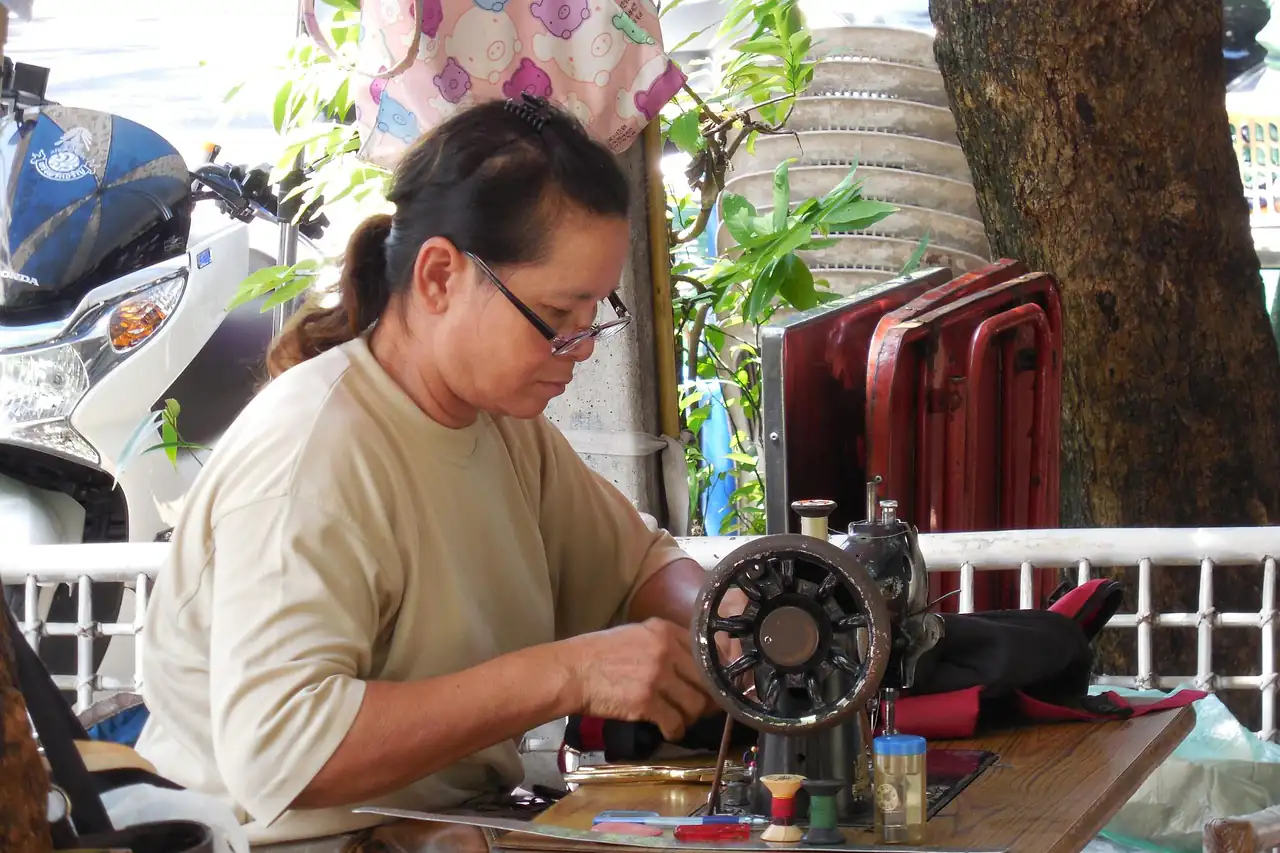
Women's Woven Tops and Blouses From India
India supplies about a quarter of the women's woven blouses the US and UK import. Which cities make them, how to read a quote, and what each border charges.

5 min read
Tiruppur makes knitwear, and Indian makers tell foreign buyers so themselves. For woven tops, shirts and dresses, start in the Delhi region (Noida, Gurugram, Faridabad), add Jaipur for hand-printed wovens and Bengaluru for volume woven work, and treat Mumbai quotes as export houses until you know where the goods are sewn. Ludhiana is a winter knitwear town, not a woven alternative. India is a bigger woven supplier than many buyers think, ranking fourth for woven apparel in US imports in 2025.
For woven shirts, tops and dresses, start in the Delhi region (Noida, Gurugram and Faridabad), which is India's main woven-fashion belt. Add Jaipur for hand-printed wovens and Bengaluru for volume woven work. Treat a Mumbai quote as an export house until you know where the garment is sewn, and don't look to Ludhiana, which is a winter knitwear town.
The question comes up because Tiruppur is so dominant in T-shirts that buyers assume it does everything. It doesn't, and Indian makers are refreshingly direct about it. This post is the routing map for wovens across India: which city for which product, what the data says about India as a woven supplier, and what to do when your range mixes knits and wovens. It uses our analysis of US shipping records and UN Comtrade data, and maker voices from our forum research. The caveat is that the shipping records cover US-bound cargo only, so read them as a map of who exports, not a census.
For practical purposes, yes. The government lists Tiruppur as a Town of Export Excellence for hosiery and knitwear, while the towns the same list names for apparel are Noida, Gurugram and Faridabad in the Delhi region (DGFT, Appendix 1B, 6 Apr 2023 (opens in a new tab), Verified). Indian makers say the same. One told a foreign buyer in 2023 that the town is "great if you need massive quantities. They specialize in knits, and thats it" (r/streetwearstartup, Reported), and another pointed buyers needing wovens or more complex garments towards Bangalore or Delhi.
"Knit-only" is still a rule of thumb, not a law. In August 2026 a vendor on the Tiruppur forum offered "check shirts with premium finishes", though the post didn't say where they're made (r/Tiruppur, Reported). Some exporters place woven work with units in other cities and sell it under one name, which is a normal model. So if a Tiruppur exporter quotes you wovens, don't refuse it. Ask which unit, in which city, sews them.
Better than its T-shirt reputation suggests. Across the markets we analysed, India's share of woven apparel imports in 2025 was 7.7% in the US (4th), 7.3% in the UK (3rd), 5.3% in Australia (4th), 5.1% in the EU (5th) and 4.3% in New Zealand (5th), and in the UAE's 2023 figures 14.0% (2nd) (UN Comtrade, importer-reported, our analysis). In the US the woven rank beats India's knit rank, where it sits 6th.
That matches what Indian apparel does well. Embroidery, prints, hand finishing and garment washes are where Indian makers win, and those are mostly woven-fashion skills. The Delhi belt's page explains the pattern in more depth on the NCR apparel hub.
Here's the routing as our evidence supports it. Start with the first city on the row, then widen.
| What you're making | Start in | Why |
|---|---|---|
| Woven tops, blouses, dresses, embroidered or embellished pieces | Delhi region: Noida, Gurugram, Faridabad | Largest group of named US shippers of woven blouses, and listed by DGFT as apparel towns |
| Hand-block-printed or hand-dyed wovens, often in smaller runs | Jaipur | The block-print workshops of Sanganer and Bagru sit around the city |
| Volume woven basics for large retailers | Bengaluru | Appears in the record as a woven maker's address, and makers point buyers there |
| Anything quoted from a Mumbai address | Treat as an export house first | Mumbai addresses in the blouse data are mostly export houses, buying offices and forwarders |
| Sarees, kurtis and dress fabric | Surat | A fabric and saree market worked through commission agents |
Sources: US bill-of-lading records (our analysis, 2026), DGFT Appendix 1B, and maker and buyer voices in our forum research (2023 to 2026, Reported).
Two cautions on that table. Surat is a fabric market, not a garment-export town, and people who have bought there say to visit and stay while the order is packed, because remote orders go wrong (forum buyers, Reported). And a Mumbai address doesn't mean a problem. An export house that places your order with a sewing unit elsewhere is a normal business model. Just know who makes it and who answers for quality. Product-level detail on tops is on women's woven tops from India, and on block print at hand block print textiles.
It's the other knit town, and not a woven alternative. DGFT lists Ludhiana for woollen knitwear, and its hosiery units describe themselves as winter-only. "We do winter only like sweatshirts,cardigans etc," one family unit wrote in July 2026, and another local said the cluster has "lost at fashion game" (r/ludhiana, Reported).
So Ludhiana belongs on a sweater or sweatshirt RFQ, not a woven one. There's one angle worth testing if you buy for Australia or New Zealand. Your winter is India's summer, so a winter-only cluster may have room off its own peak. Nobody in our research said so, so treat it as a question to ask, not a fact. The cluster is on Ludhiana knitwear.
Sometimes, through an export house that places work in several cities. More often you'll end up with a knit maker in Tiruppur and a woven maker in the north. That's fine, but it changes three things.
Samples and quality. Two makers means two sample rounds and two sets of fit comments. Run inspection where each style is sewn, not where the invoice comes from.
Shipping. Tiruppur cargo usually leaves from the south, often via Colombo, and Delhi-region cargo from Mundra or Nhava Sheva. Combining them means moving goods across India or shipping twice. Each supplier also files its own export papers, which is why combining loads costs more than buyers expect, as LCL vs FCL explains. How northern goods reach the port is on how ICD cargo reaches the port.
Contracts. Two makers means two sets of terms, two deposits and two people to chase. Keep the size charts, labels and packing instructions identical across both.
Coordinating two cities, two makers and one delivery date is execution work. SourcingSync (opens in a new tab) shortlists woven makers in the north, runs the inspections where the goods are sewn and pulls the shipments together for foreign buyers.
It's a knit town, and its makers say so. Some exporters place woven work with other units, so ask which unit sews yours.
Mostly the Delhi region (Noida, Gurugram, Faridabad), with Jaipur for hand prints and Bengaluru for volume work, according to US shipping records.
No. Its hosiery units describe themselves as winter knitwear makers.
Often it's an export house or buying office. That's a normal model. Ask where the goods are sewn.
In the US, India ranked 4th for woven apparel imports in 2025, ahead of its 6th place for knitted apparel.
Ready to act
Want the shipment, documents and consolidation handled?
SourcingSync can coordinate the shipping, the documents and the hand-off to your forwarder.
India supplies about a quarter of the women's woven blouses the US and UK import. Which cities make them, how to read a quote, and what each border charges.
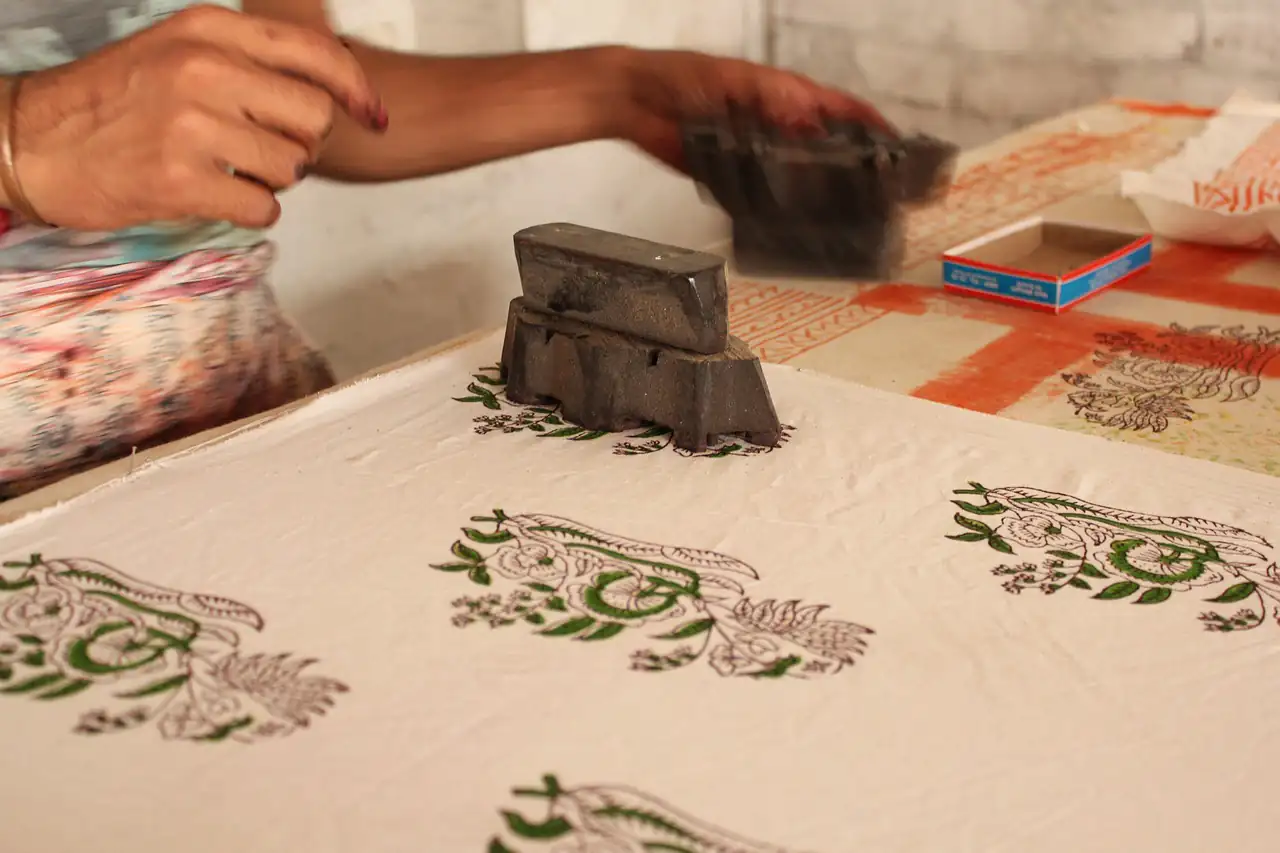
How to tell hand block print from screen print, what Sanganer and Bagru GI status means, the base-cloth and dye specs to write, and what printed cotton pays in each market.
Where Indian cotton T-shirts are made, what Australia, NZ, the UK, US, EU and UAE charge on them, which origin proof you need and what to test first.
Yash Khatri founded SourcingFrom to give buyers outside India the full picture of sourcing from India: what the country makes well, where it is made, who makes it and how it ships. He reviews every guide on the site and holds each one to the same rule: say what we know, show how sure we are, and say plainly where the evidence runs out. He also runs SourcingSync, the hands-on service that does the sourcing work for buyers, and Kirnova, the data and intelligence company behind SourcingFrom Intelligence.
Want new guides when they go up? Get the newsletter
Leave your email and the PDF downloads straight away. We don't email it to you.
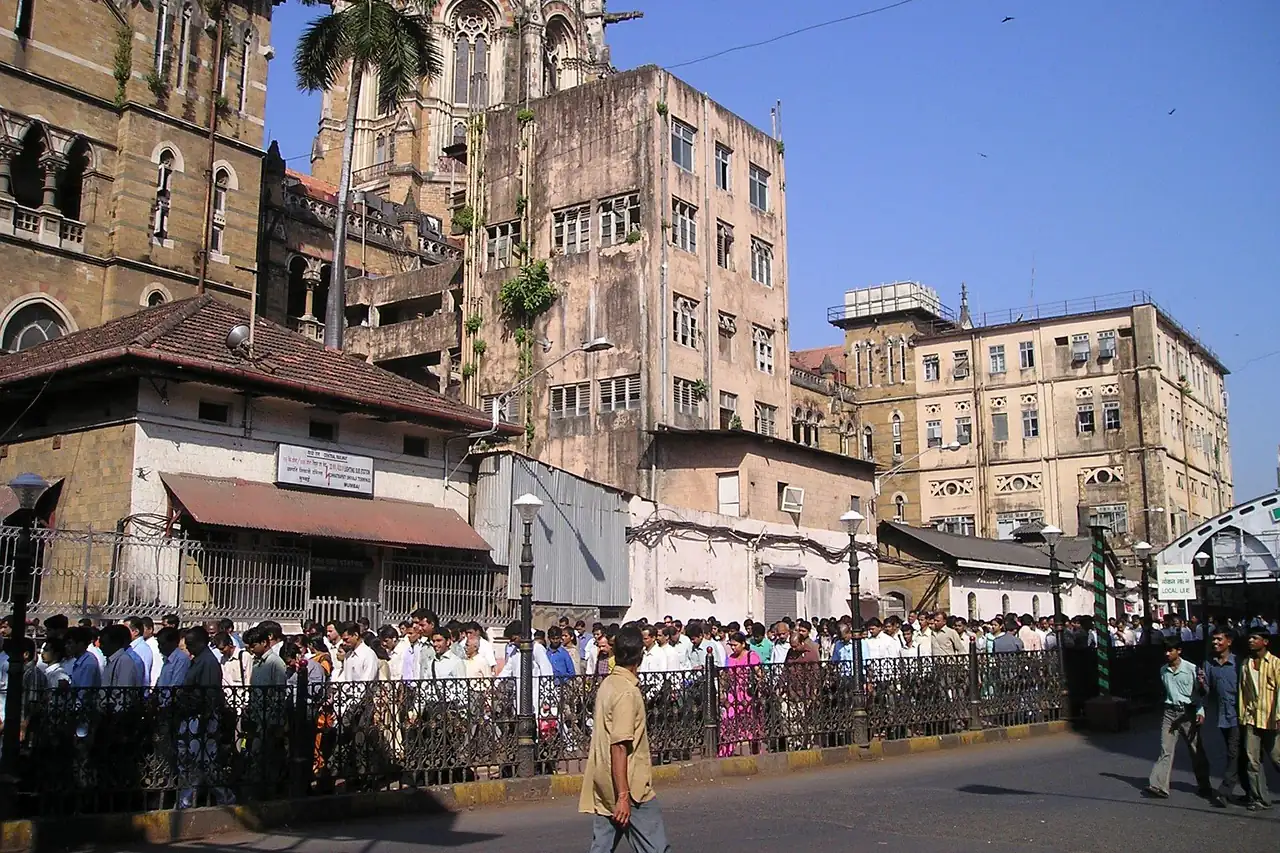
A Delhi or Mumbai address is a weak trader signal on its own, because many real Indian manufacturers keep their head office in a metro while the mill runs elsewhere. A product mix spread across unrelated categories is a far stronger sign, and the GST premises, the export council certificate and one direct question all do better than a postcode.
Surplus stock can be exported from India legally, but the papers decide it, not the price. An Indian firm with an IEC has to sign the shipping bill and stand behind its supporting documents, so it needs to buy on a supplier's tax invoice. Branded stock needs the brand's release, cancelled-order stock may need the original buyer's design release, and a mixed lot from many makers rarely supports a preferential certificate of origin.
Because the two countries record different things. Your customs records goods by country of origin, valued with freight and insurance, when they arrive. India records goods by the country it shipped them to, valued at the port, when they leave. Goods routed through hubs, freight costs, timing and valuation open gaps that can be huge: in our analysis Switzerland recorded 13.6 times more Indian woven apparel in 2025 than India recorded sending there. To judge India's real share of your market, use your own country's import data.
A quote that says "leather" tells you nothing about the animal, and in India the answer is often goat, sheep or buffalo rather than cowhide. Each behaves differently in a bag: goat is tough and small, sheep is soft and delicate, buffalo is thick, coarse and variable. Ask for the species, the tannage and the tannery in writing, check the grain yourself, and sample buffalo from the actual lot.
A custom rug from India usually arrives off-colour for one of five reasons: the colour was approved on a screen, the bulk yarn went into a different dye lot, the yarn looks different once woven into pile, the post-weaving wash shifted it, or it is being judged in different light or from the other end of the pile. Each has its own approval. Because returning a large rug to India is slow and costly, the approvals and the remedy belong in the order before weaving starts.
No. Urine does not tan leather, and the smell some buyers notice on Indian leather has ordinary causes: tannery residue left by poor washing and finishing, solvent finishes and bag-making glues, and moisture in packing and transit. Each smells different and has its own fix. Odour has no legal limit, so it has to go into the spec, with a closed-box check on bulk before you accept a shipment.