

Yash KhatriFounder, SourcingFrom
Yash Khatri founded SourcingFrom to give buyers outside India the full picture of sourcing from India: what the country makes well, where it is made, who makes it and how it ships.
5 min read
An Export Oriented Unit (EOU) is a manufacturer or service provider by definition, because India's trade policy says trading units are not covered. An SEZ unit can be a trading or warehousing unit, so SEZ status says less. Neither status proves quality or capacity.
An Export Oriented Unit (EOU) is a manufacturer or service provider by definition, because India's trade policy says trading units aren't covered by the scheme. An SEZ unit isn't automatically a manufacturer, since special economic zones can also host trading and service units, so the status tells you less there. Neither status says anything about quality or capacity.

So if your supplier writes "we are a 100% EOU" in its signature, that's actually one of the more useful lines you'll get from an Indian supplier. It's rare to see it explained for buyers, so this post does that. The caveat - I'm reading the trade policy and the SEZ rules as published, and checking a specific unit's status is a job for the supplier's paperwork plus your broker or agent.
A 100% EOU is an Indian factory that has signed up to a special regime. It imports its inputs and machinery without paying customs duty, and in return it promises to export what it makes. The duty-free goods come "with actual user condition" and "shall be utilized for export production" (Foreign Trade Policy 2023, chapter 6 (opens in a new tab)). Customs keeps an eye on the unit because of that promise.
The line that matters to you is short. The scheme is for units that export their production of goods and services, and "Trading units are not covered" (same chapter). So an EOU can't legally be a shop front buying from others and reselling.
That's why I call it one of the few Indian "we make it" signals with a rule behind it. Most other records, like a GST tick box, are the supplier's own word.
An EOU has to earn more foreign exchange than it spends, measured cumulatively in blocks of five years, backed by a legal undertaking and penalties (same chapter). Domestic sales are allowed only within limits and with the duty benefits paid back. There's also a floor on investment in plant and machinery, with exemptions for some sectors such as handicrafts and agriculture.
What does that mean for you? A long-standing EOU has passed its net-foreign-exchange test more than once, which says it really exports. A brand-new one hasn't been tested yet. Neither tells you how good its stitching is.
A special economic zone is treated as outside India's customs territory. Units inside pay full customs duty on anything they sell into India, need positive net foreign exchange over five years, and their export cargo isn't routinely examined by customs (SEZ India FAQ, sezindia.gov.in, read 23 Sep 2026).
The difference from an EOU is the trading point. SEZ rules have allowed approved trading units in zones since 2006 (Department of Commerce SEZ instructions, sezindia.gov.in (opens in a new tab)), and the current SEZ Rules, 2006 still list trading or warehousing as an activity a unit's Letter of Approval can specify, under rule 19(2) (consolidated rules on nsez.gov.in (opens in a new tab), read 13 Oct 2026). They sit alongside service units, so "we're in an SEZ" doesn't on its own mean "we make it". Ask what the unit is approved for. Its approval letter from the zone's Development Commissioner names the activity.
You'll also spot SEZ status on the GST record. The GST user manual shows "SEZ Unit" as a taxpayer type and shows SEZ approval validity on the public search.
| 100% EOU | SEZ unit | |
|---|---|---|
| Trading units allowed | No | Yes, if approved |
| Net foreign exchange | Positive over five-year blocks | Positive over five years |
| Sales into India | Within limits, duty benefits paid back | Full customs duty |
| Customs position | Under customs control inside India | Treated as outside India's customs territory |
| Where to confirm | Letter of Permission | Letter of Approval from the Development Commissioner |
Here's the honest list -
I'd also add a fairness note. A supplier that isn't an EOU isn't second rate. Most Indian exporters aren't EOUs and never will be, including many excellent makers. EOU status is a bonus signal when it's there, not a test you fail without it.
Ask the supplier for three things -
Then match the names and addresses across all three. If the approved items don't include your product, ask why. It may be a newer line awaiting approval, or it may be made elsewhere.
For the bigger checklist, see how to check a supplier yourself. If you want someone to visit the unit and read the paperwork in person, SourcingSync (opens in a new tab) does that.
Generally the export documents look like any other Indian export. Origin rules for your free trade agreement are a separate question, because a unit using imported duty-free inputs still has to meet the origin rule for your product. Check that with your customs broker before you claim a preferential rate. Our rules of origin guide explains the basics.
So, is an EOU always a manufacturer? By the rules, yes. Is it always a good one? That part is still up to you.
Related reading: Job work and subcontracting in India · Is a city address a trader sign? · Made in India with Chinese inputs
Within limits, after meeting its net foreign exchange obligation and paying back the duty benefits on those sales.
Not in quality terms. It's committed to exporting and works under a customs regime, which is useful, but you still check the factory.
We didn't find a public one for buyers. Ask for the approval letter and match it to the GST record.
There's a minimum investment in plant and machinery, with exemptions for some sectors. It doesn't make the unit large.
Ready to act
Want the goods checked before they ship?
SourcingSync can arrange inspection in India and tell you what the bulk really looks like before you pay the balance.
Yash Khatri founded SourcingFrom to give buyers outside India the full picture of sourcing from India: what the country makes well, where it is made, who makes it and how it ships.
Leave your email and the PDF downloads straight away. We don't email it to you.
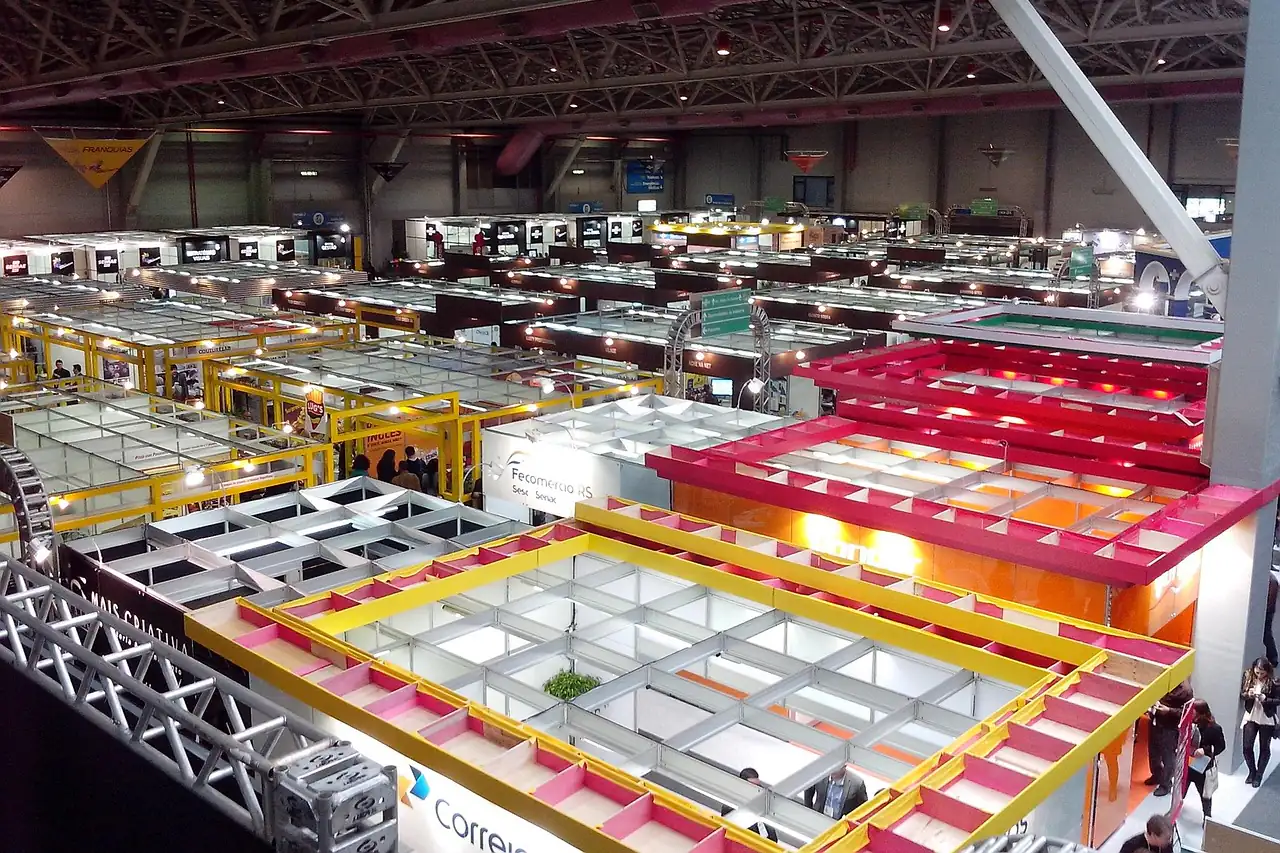
Not always. At export council fairs such as IHGF and IIJS every exhibitor must be a council member, which guarantees a registered exporter but not a factory, because merchant exporters can be members too. Some other big Indian fairs are mostly domestic or open to the public.
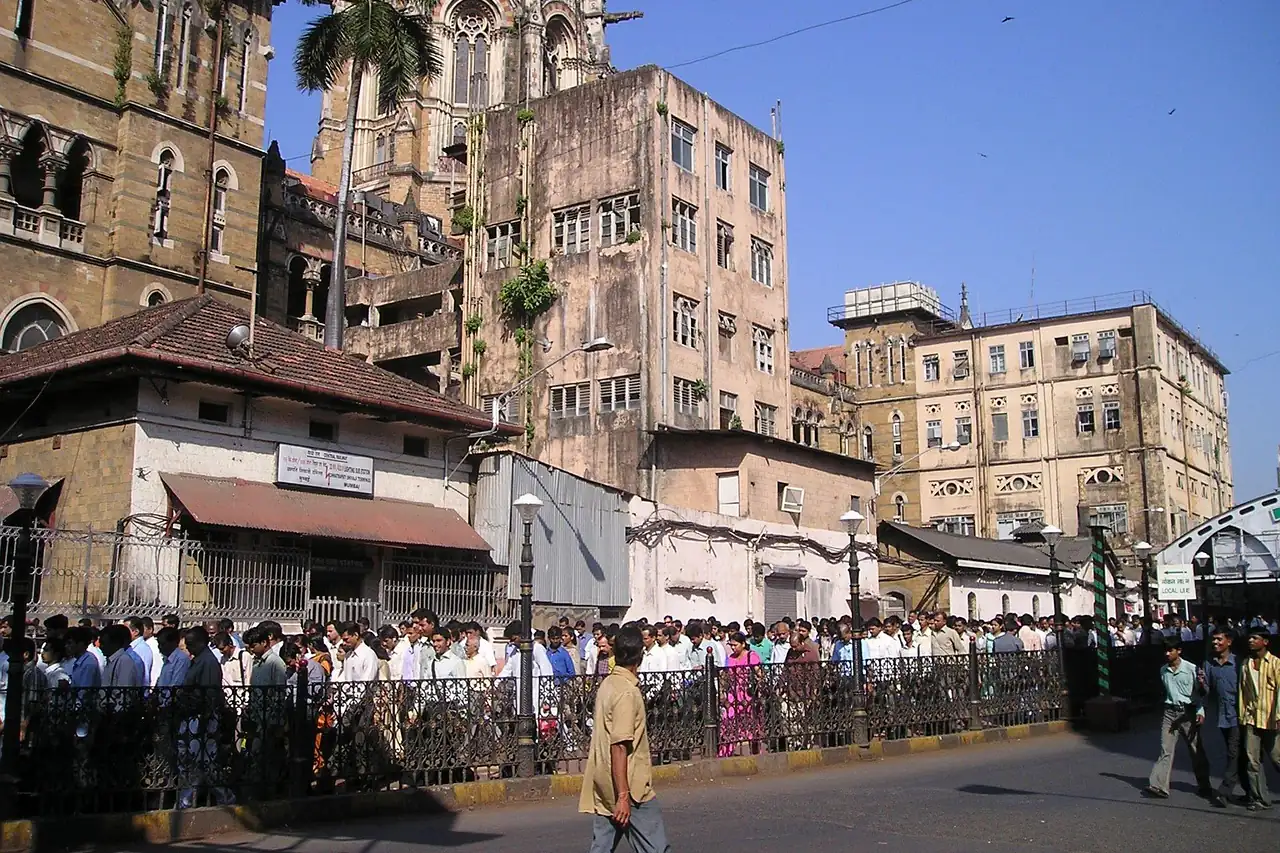
A Delhi or Mumbai address is a weak trader signal on its own, because many real Indian manufacturers keep their head office in a metro while the mill runs elsewhere. A product mix spread across unrelated categories is a far stronger sign, and the GST premises, the export council certificate and one direct question all do better than a postcode.

A foreign importer can open a liaison office in India through an Indian bank if the parent has three profitable years and US$50,000 net worth. The office can promote trade and talk to suppliers, but it cannot earn income or act as your buying agent, which is a branch office activity with stricter tests.

Sea freight from India to Sydney, Melbourne, Brisbane or Fremantle takes about 25 to 36 days port to port, and about five weeks door to door. No carrier we read sails direct, every box changes ship at a hub such as Singapore, Port Klang, Colombo or Tanjung Pelepas, and a missed connection can push a shipment past 50 days.

Sea freight from India to Auckland takes about 29 to 32 days port to port on a Port Klang relay, and 36 to 39 days to Tauranga. Other routings we read took 51 to 97 days because they relayed through North Asia or Oakland, so the relay your forwarder books decides your transit.

Mundra is the closer port for every north Indian cluster we mapped, but closer is not always faster. In the schedules we read, Mundra was quicker to the US East Coast, Nhava Sheva was quicker to the UAE, New Zealand and slightly quicker to Europe, and for Australia the two are close.