


Why Most Lab-Grown Diamonds Come From India and How to Check Yours
India supplies 92% of the cut lab-grown diamonds the US imports. How to buy them from abroad: the growth-method question, the report, the labelling rule and the duty.

5 min read
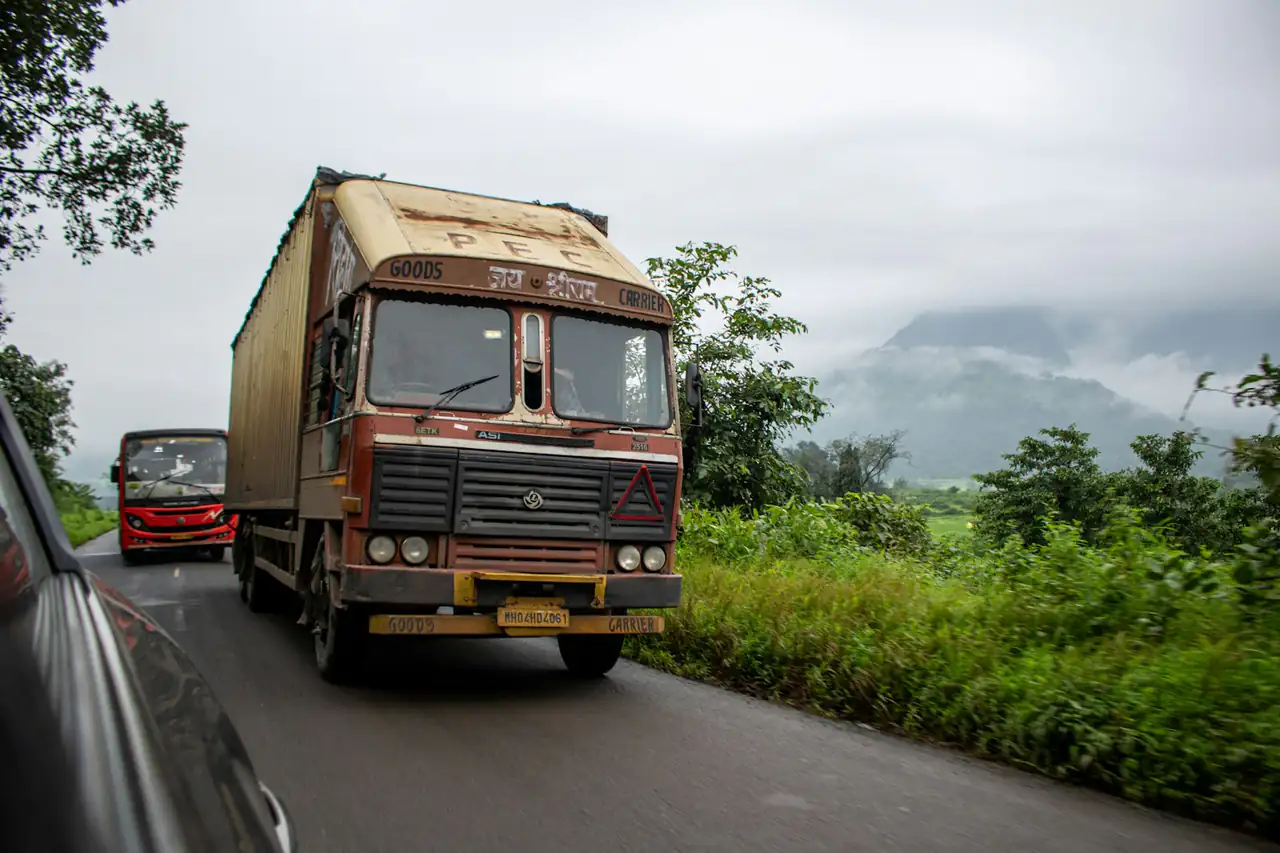
Usually not. Most Indian export towns have no busy international cargo airport, so urgent goods and samples are trucked to a gateway, most often Delhi, Mumbai, Bengaluru or Chennai. Delhi and Mumbai carried 58.5% of India's international air freight in FY2025-26.
Usually not. Most Indian export towns have no busy international cargo airport, so urgent goods and samples get trucked to a gateway first, most often Delhi, Mumbai, Bengaluru or Chennai. Delhi and Mumbai alone carried 58.5% of India's international air freight in FY2025-26, and five export towns' airports, Surat, Rajkot, Indore, Visakhapatnam and Agartala, handled none at all.
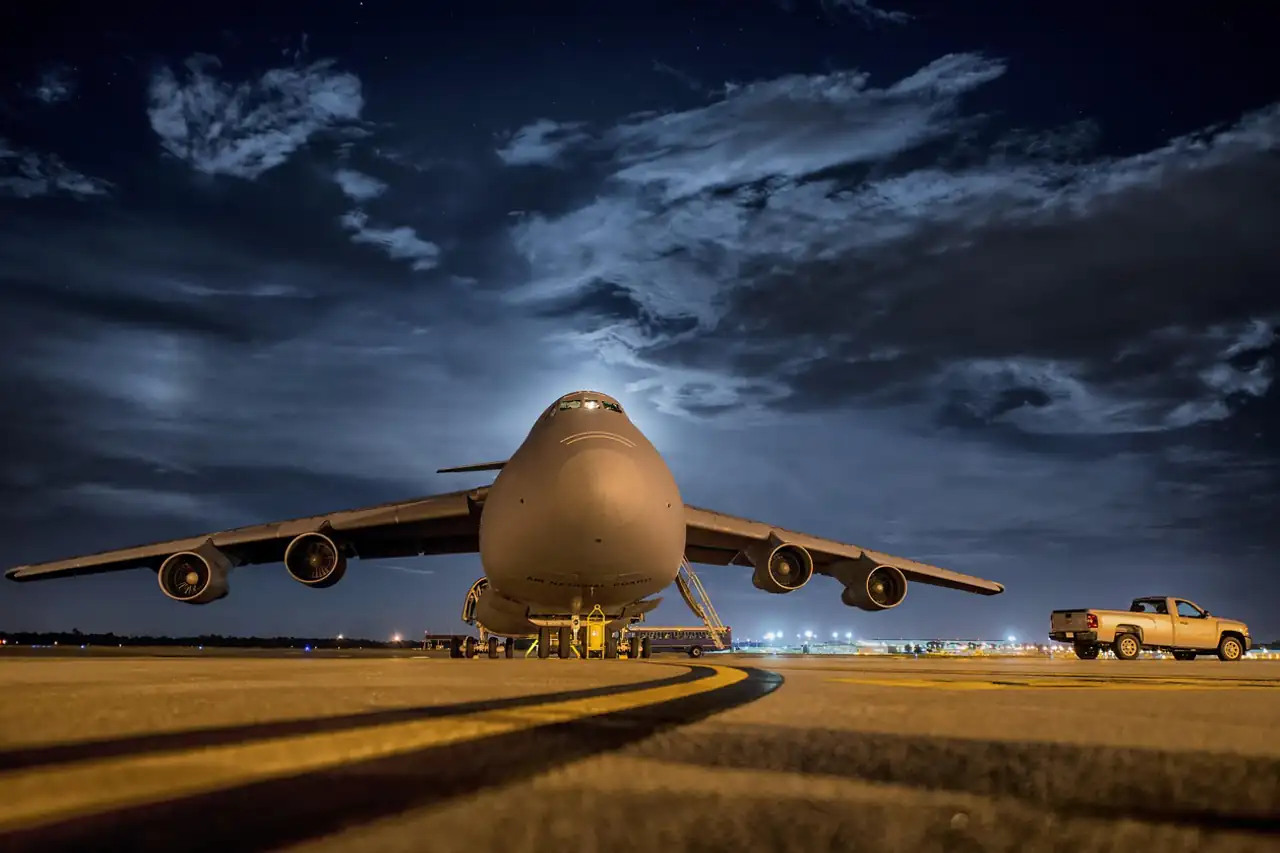
This matters the moment someone says "just fly it, the factory's next to an airport". Below is what the official airport figures show, and the airport I'd expect for the main export towns, taken from our own map of 57 clusters.
One caveat - the tonnages are official, but which airport a given supplier uses is our reading of those figures, so confirm it with the supplier or your forwarder.
Why not fly from the nearest airport? Because an airport can be open to international passengers and still be close to useless for export cargo. Freight needs scheduled cargo space, a customs-cleared cargo terminal and airlines selling that space, and all of those sit where the volume is.
India's volume sits in a handful of cities. By our calculation from the Airports Authority's own table, Delhi and Mumbai moved 58.5% of the country's international air freight in FY2025-26, and the next two, Bengaluru and Chennai, take most of what's left.
So for a supplier in a town with a quiet airport, "air freight" really means a truck to the gateway, export clearance there and then a flight. That's fine, as long as you plan for it.
Here's the departure airport we'd expect for the main export towns on our map. The tonnage is official, the town's nearest airport in FY2025-26 from the AAI table (opens in a new tab). The last column is not official. It's our estimate, worked out from those cargo figures and the distance to the nearest busy gateway.
| Export town | Nearest airport, FY26 international freight (official) | Departure airport (our estimate) |
|---|---|---|
| Surat (diamonds, jewellery) | Surat, 0 t | Mumbai |
| Morbi, Rajkot (tiles, engineering) | Rajkot Hirasar, 0 t | Ahmedabad |
| Indore, Dewas (soya, pharma) | Indore, 0 t | Mumbai |
| Visakhapatnam, Bhimavaram (seafood) | Visakhapatnam, 0 t | Chennai or Hyderabad |
| Agartala (bamboo, cane) | Agartala, 0 t | Kolkata |
| Jaipur (handicrafts) | Jaipur, about 2,144 t | Delhi |
| Bhadohi, Mirzapur, Varanasi (carpets) | Varanasi, 999 t | Delhi |
| Srinagar (handicrafts) | Srinagar, about 198 t | Delhi |
| Ludhiana, Jalandhar | Amritsar, about 1,845 t | Delhi |
| Tiruppur, Coimbatore | Coimbatore, about 1,908 t | Chennai, Bengaluru or Kochi |
| Moradabad, Agra, Panipat, Noida | Delhi, about 739,779 t | Delhi |
| Ahmedabad | Ahmedabad, about 63,539 t | Ahmedabad |
Treat that last column as Indicative, an estimate from official airport figures and distance rather than a fact about any one supplier. Most north Indian craft towns land on Delhi and Gujarat leans on Ahmedabad or Mumbai. Tamil Nadu's textile belt has three possible hubs, and nothing public settles Tiruppur in particular, so ask.
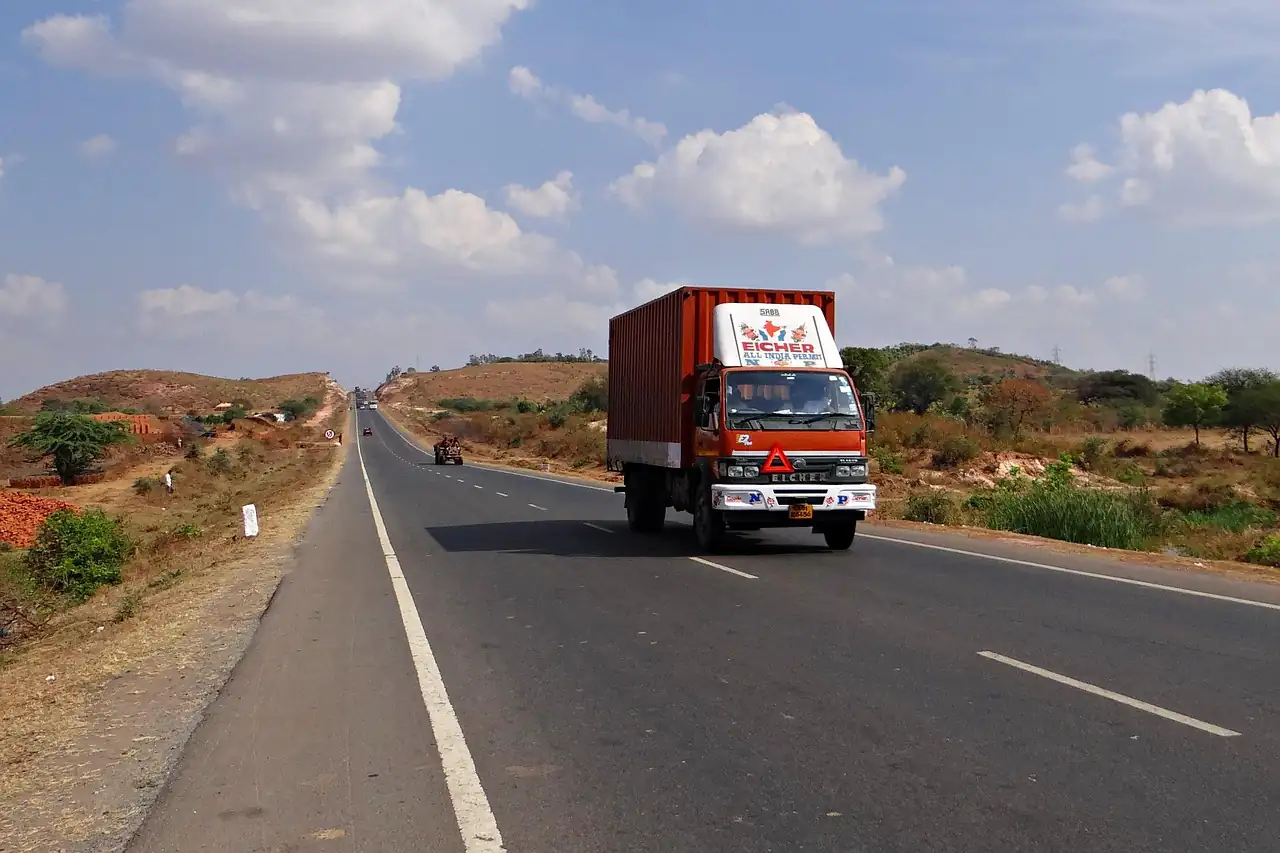
Surat has one odd wrinkle. The customs list of connected sites includes an air cargo station at the Surat Diamond Bourse (CBIC / ICEGATE list, Feb 2024 (opens in a new tab)), yet Surat airport moved no international freight all year. So the paperwork may start in Surat while the goods still fly from Mumbai, and if you buy jewellery there it's worth a quick check with your forwarder.
Samples usually travel by express courier rather than as air cargo, but the same geography applies because the parcel still has to reach a gateway with international flights. Before you count the days, ask your supplier one question: "Which city does it leave India from?" If the answer is a truck ride away, add that on.
Two more things catch buyers out, going by their own accounts on forums. First, when the supplier ships on its own courier account, the courier often ends up as the importer of record, which matters if you ever want duty back (r/ecommerce, 2026 (opens in a new tab)). Second, couriers sometimes classify goods wrongly, and one US distributor said the wrong tariffs "are starting to add up" (r/smallbusiness, 2025 (opens in a new tab)).
For a one-off sample that's fine, but for regular stock I'd use your own account or your own forwarder. Our freight forwarder guide covers when that's worth the bother.
For small lots, more often than you'd think. Forwarders on a UK small-business forum use about 200 kg as the point where air and sea cost roughly the same on India shipments, and below that sea saves little and takes six to eight weeks (r/smallbusinessuk, 2024 (opens in a new tab)). Another forwarder points out that for small air shipments an express courier often beats a forwarder, because forwarders' minimum charges bite (r/logistics, 2025 (opens in a new tab)).
Those are rules of thumb from people doing the work, not published rates. Get both quotes for your own lot.
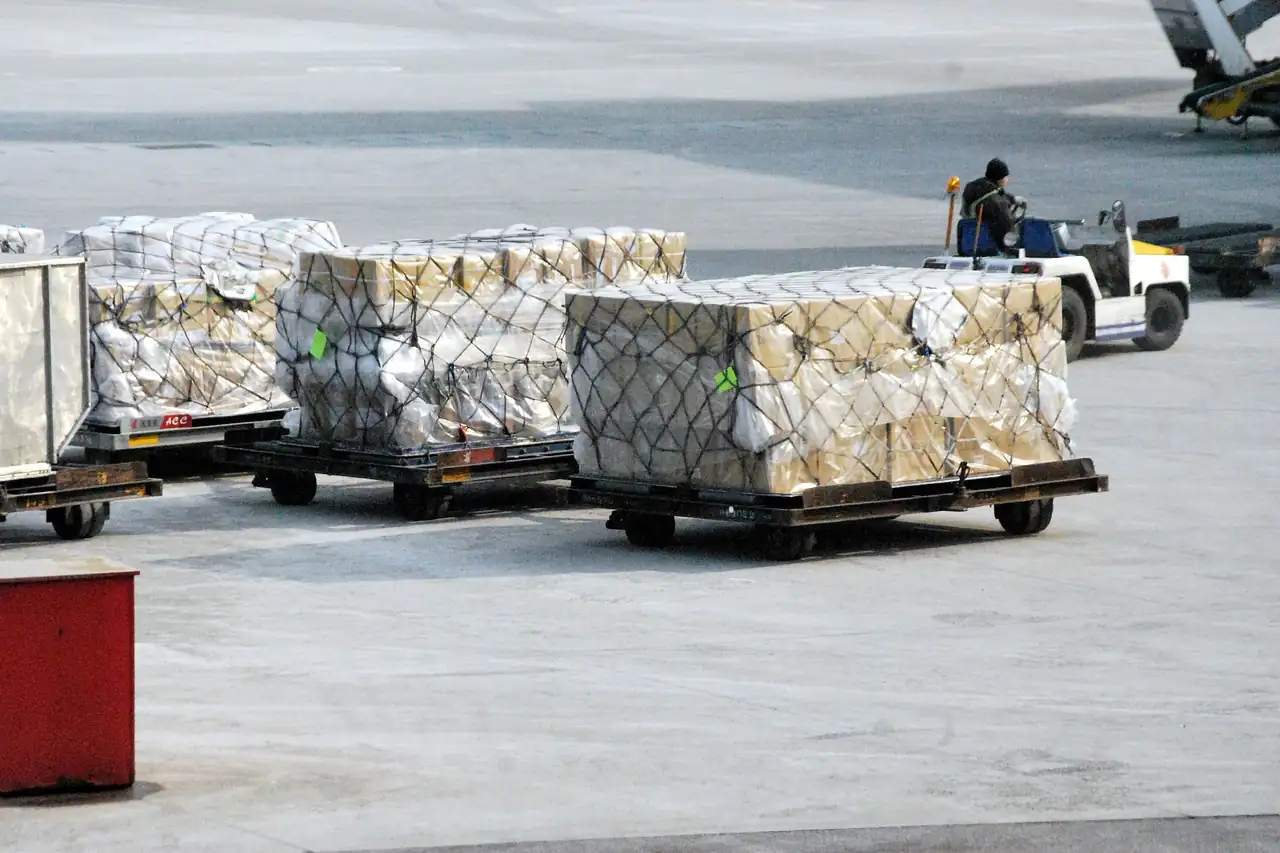
What air can't fix is the inland leg. If your supplier is in Bhadohi then the truck to Delhi is part of the air plan, and so is export clearance at Delhi. SourcingSync (opens in a new tab) can arrange the pickup, the export paperwork and the flight from the right gateway if you'd rather not run it all from abroad.
Surat airport moved no international freight in FY2025-26, so our estimate, from the official airport cargo figures, is that goods fly from Mumbai. Confirm it with your supplier or forwarder.
Delhi and Mumbai, with 58.5% of international air freight in FY2025-26 between them, followed by Bengaluru and Chennai.
Possibly, since Jaipur handles some international freight, but most Jaipur cargo probably routes through Delhi. Ask the supplier which city it leaves from.
Not always. For small parcels a courier is often simpler, while for regular or heavier shipments your own forwarder gives you control of the paperwork.
Related: India's manufacturing clusters · Mundra or Nhava Sheva · Low-value imports
Ready to act
Want the goods checked before they ship?
SourcingSync can arrange inspection in India and tell you what the bulk really looks like before you pay the balance.
India supplies 92% of the cut lab-grown diamonds the US imports. How to buy them from abroad: the growth-method question, the report, the labelling rule and the duty.
Morbi makes most Indian tiles on gas. What the 2026 kiln shutdown showed, how tile containers fill by weight, and what the US, EU, UK, Gulf and Australia charge or test.
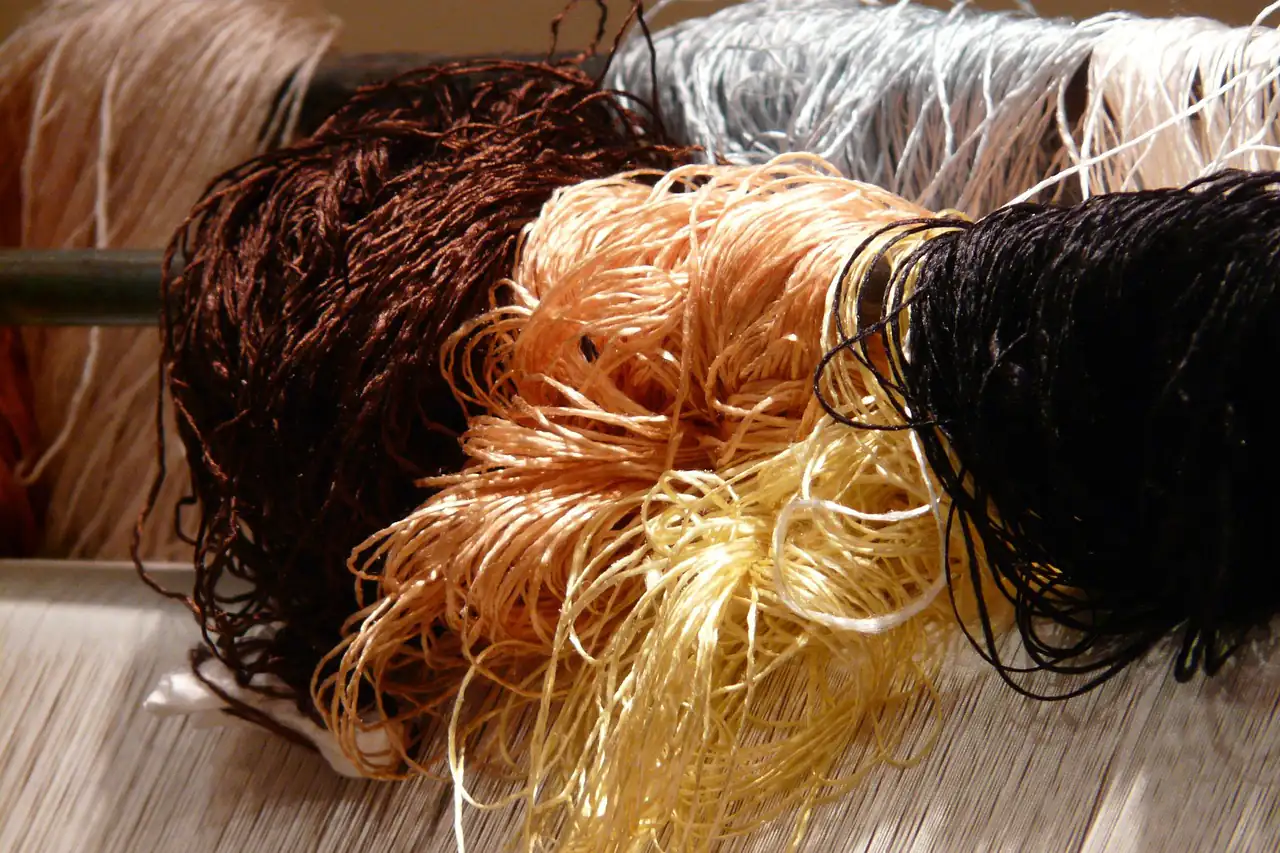
Which Indian town weaves which rug, what the UK, US, Australia and NZ charge by rug type, how to ask who weaves your order, and when to meet makers.
Yash Khatri founded SourcingFrom to give buyers outside India the full picture of sourcing from India: what the country makes well, where it is made, who makes it and how it ships. He reviews every guide on the site and holds each one to the same rule: say what we know, show how sure we are, and say plainly where the evidence runs out. He also runs SourcingSync, the hands-on service that does the sourcing work for buyers, and Kirnova, the data and intelligence company behind SourcingFrom Intelligence.
Want new guides when they go up? Get the newsletter
Leave your email and the PDF downloads straight away. We don't email it to you.
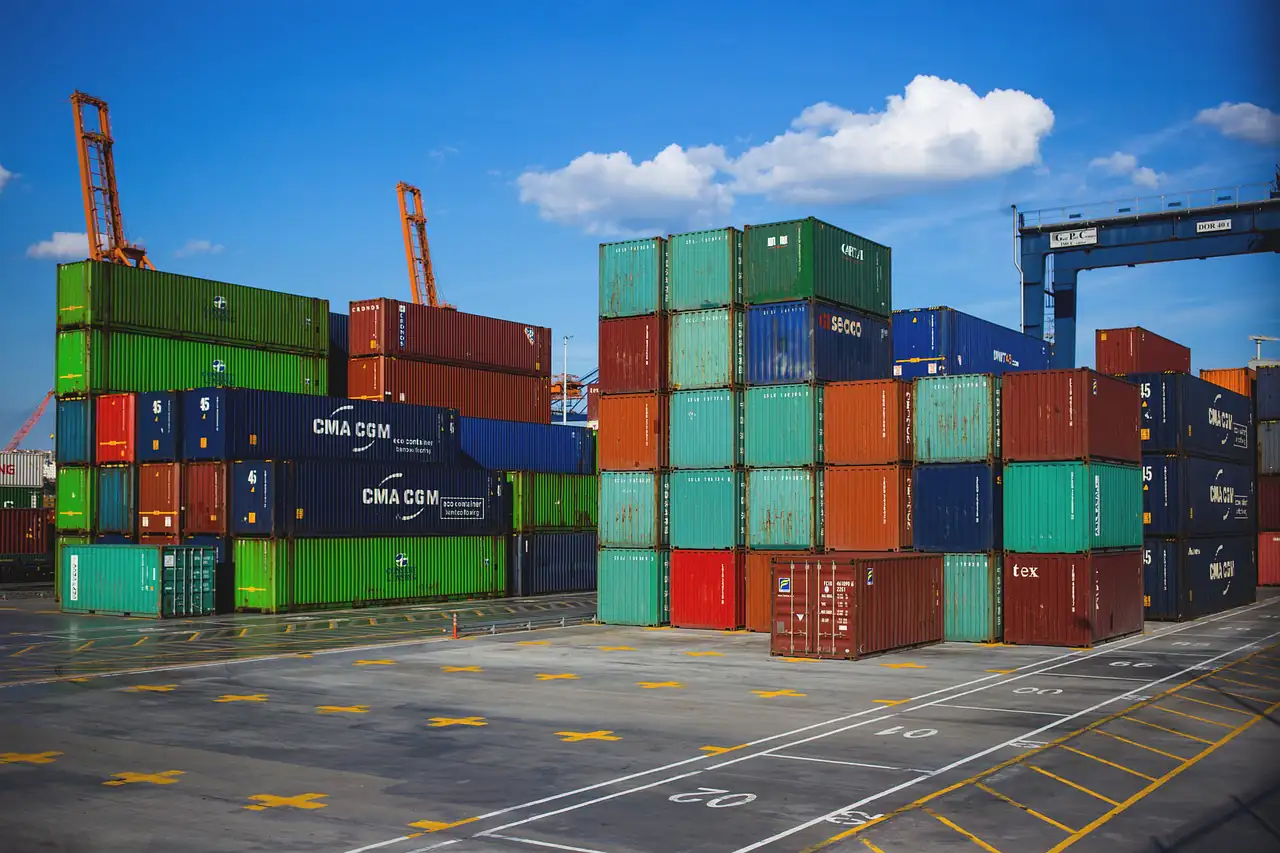
Goods from an inland Indian city reach the sea in one of two ways. A full container can be cleared by customs and sealed at an export-capable inland container depot near the supplier, then moved by rail or road to Nhava Sheva or Mundra. A small LCL lot often cannot be consolidated inland, so it is trucked to a freight station at the port. Which route your order takes changes the Incoterm you should use and how much of the cost you can see.
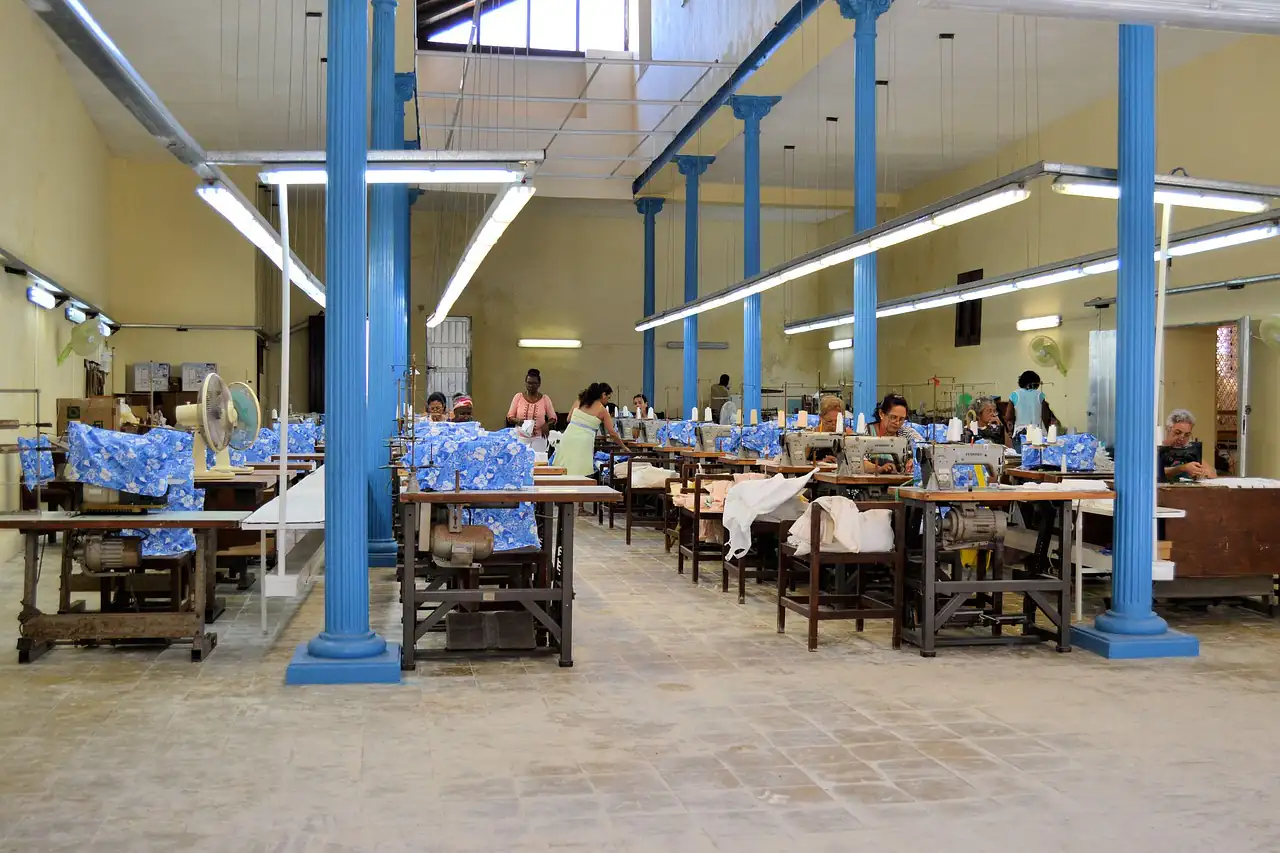
Tiruppur makes knitwear, and Indian makers tell foreign buyers so themselves. For woven tops, shirts and dresses, start in the Delhi region (Noida, Gurugram, Faridabad), add Jaipur for hand-printed wovens and Bengaluru for volume woven work, and treat Mumbai quotes as export houses until you know where the goods are sewn. Ludhiana is a winter knitwear town, not a woven alternative. India is a bigger woven supplier than many buyers think, ranking fourth for woven apparel in US imports in 2025.
You can't clear an Indian export yourself, and nor can a logistics provider in its own right. An Indian firm with an IEC has to be the exporter of record and file the shipping bill, usually through a customs broker. If your maker can't do it, the realistic choices are that it registers and uses a broker, or that a merchant exporter or service provider buys the goods and exports them in its own name. Agree which before you pay, because it decides who you pay and who can sign for origin.
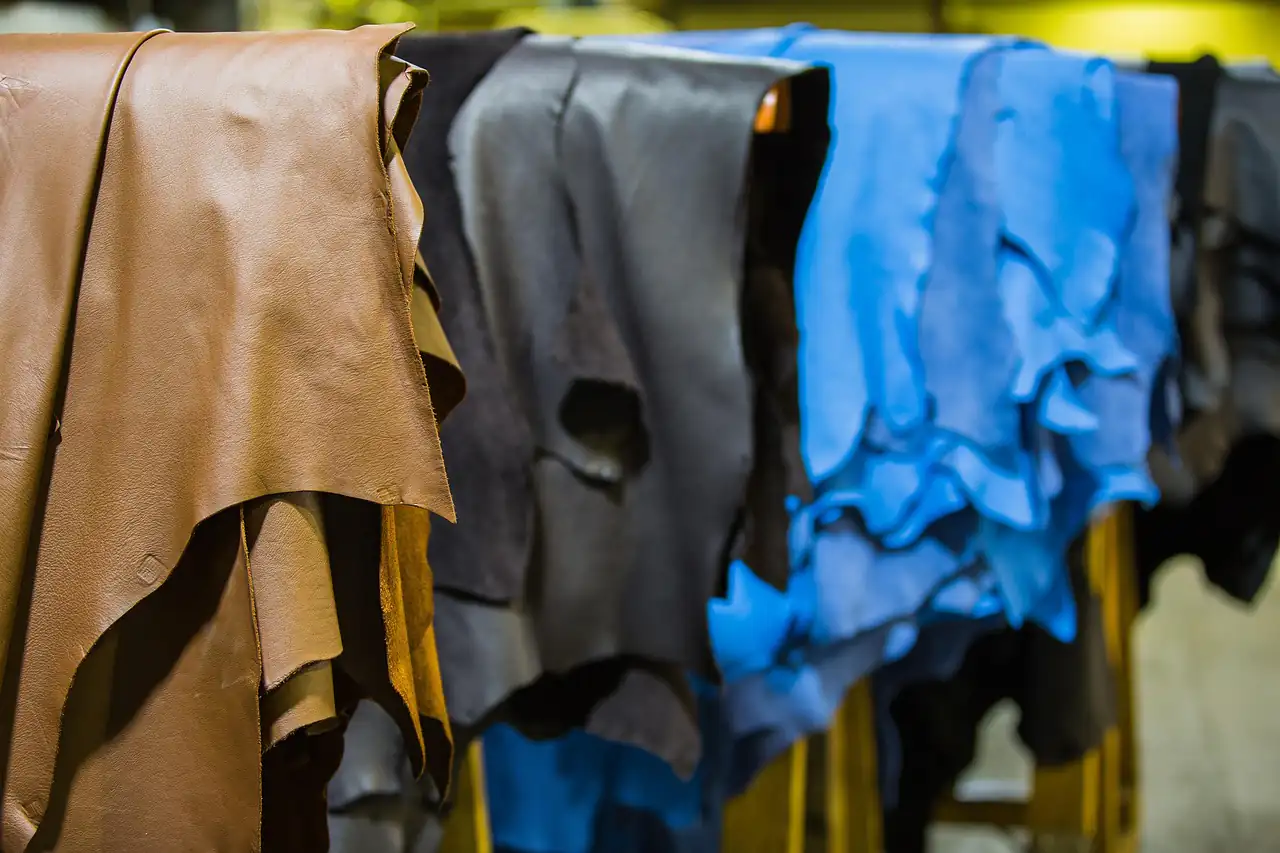
A quote that says "leather" tells you nothing about the animal, and in India the answer is often goat, sheep or buffalo rather than cowhide. Each behaves differently in a bag: goat is tough and small, sheep is soft and delicate, buffalo is thick, coarse and variable. Ask for the species, the tannage and the tannery in writing, check the grain yourself, and sample buffalo from the actual lot.
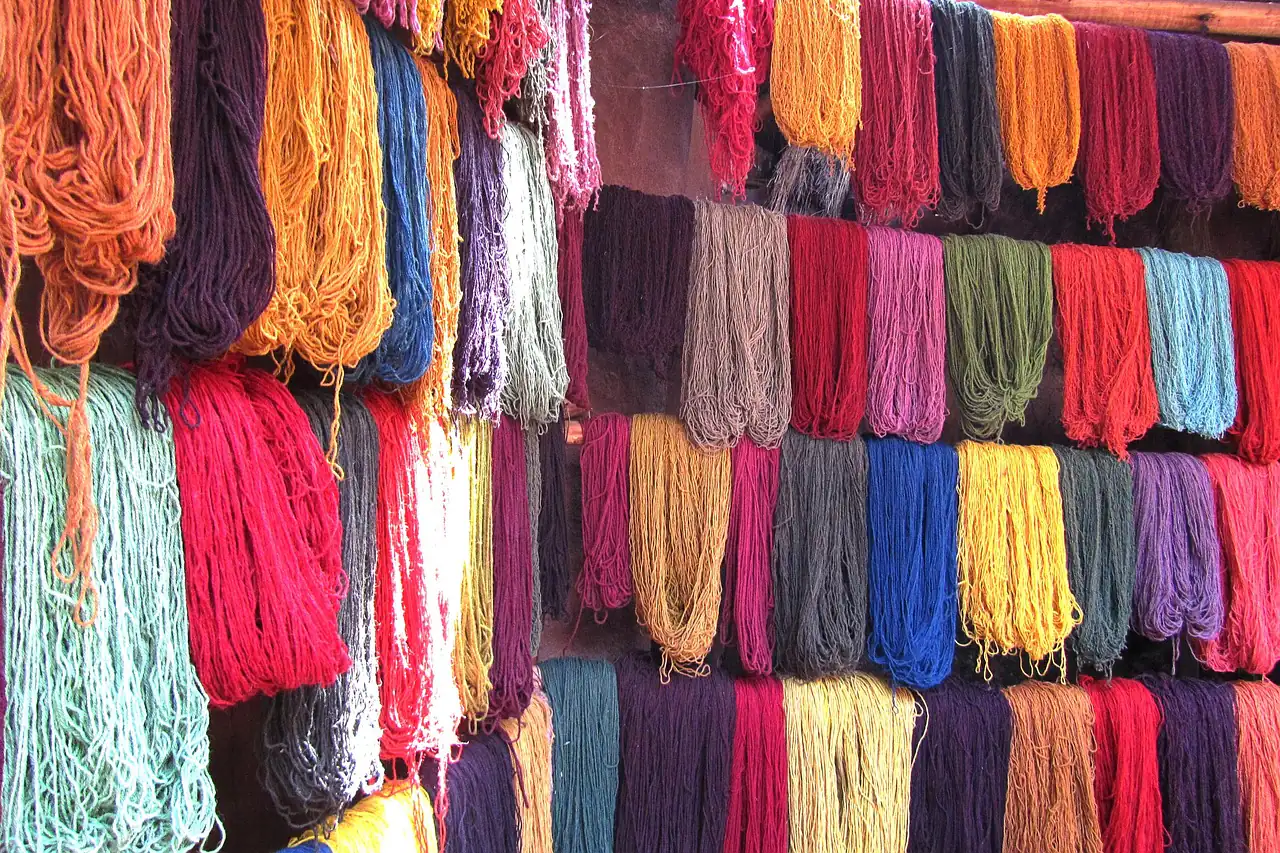
A custom rug from India usually arrives off-colour for one of five reasons: the colour was approved on a screen, the bulk yarn went into a different dye lot, the yarn looks different once woven into pile, the post-weaving wash shifted it, or it is being judged in different light or from the other end of the pile. Each has its own approval. Because returning a large rug to India is slow and costly, the approvals and the remedy belong in the order before weaving starts.

No. Urine does not tan leather, and the smell some buyers notice on Indian leather has ordinary causes: tannery residue left by poor washing and finishing, solvent finishes and bag-making glues, and moisture in packing and transit. Each smells different and has its own fix. Odour has no legal limit, so it has to go into the spec, with a closed-box check on bulk before you accept a shipment.