

Yash KhatriFounder, SourcingFrom
Yash Khatri founded SourcingFrom to give buyers outside India the full picture of sourcing from India: what the country makes well, where it is made, who makes it and how it ships.
6 min read
Most "Indian manufacturer" emails after a first import come from agents and traders who found your company in shipment data, not from factories. US sea manifests are public and importer lists take minutes to build. The post shows where the trail starts and how to tell a cold pitch from a real maker.
Most of those emails come from people who found your company in shipment data, not from factories who heard good things about you. If you import into the US by sea, your name and the product can sit on a public bill of lading record, and Indian export agents pull lists of importers from trade-data platforms by product code. The sender is usually a sales agent or trader working that list.

That's the plain answer. This post shows where the trail starts, what the senders are actually doing, and how to sort the one useful message from the forty you'll delete. One caveat first - I'm talking mostly about US sea imports, because that's the market where shipment records are public. If you buy into Australia, the UK, the UAE or the EU, the cold emails still come, but they come from different lists.
When a container lands in the US, the carrier files a manifest with US Customs. Those manifest records are public, and several commercial platforms clean them up and sell or show them by product, shipper and consignee. In September 2026 we read the public pages for 21 Indian product codes on one of those platforms, and the US buyer's name sat right there on many of the bills (our read of US bill-of-lading records, as published by ImportYeti (opens in a new tab)).
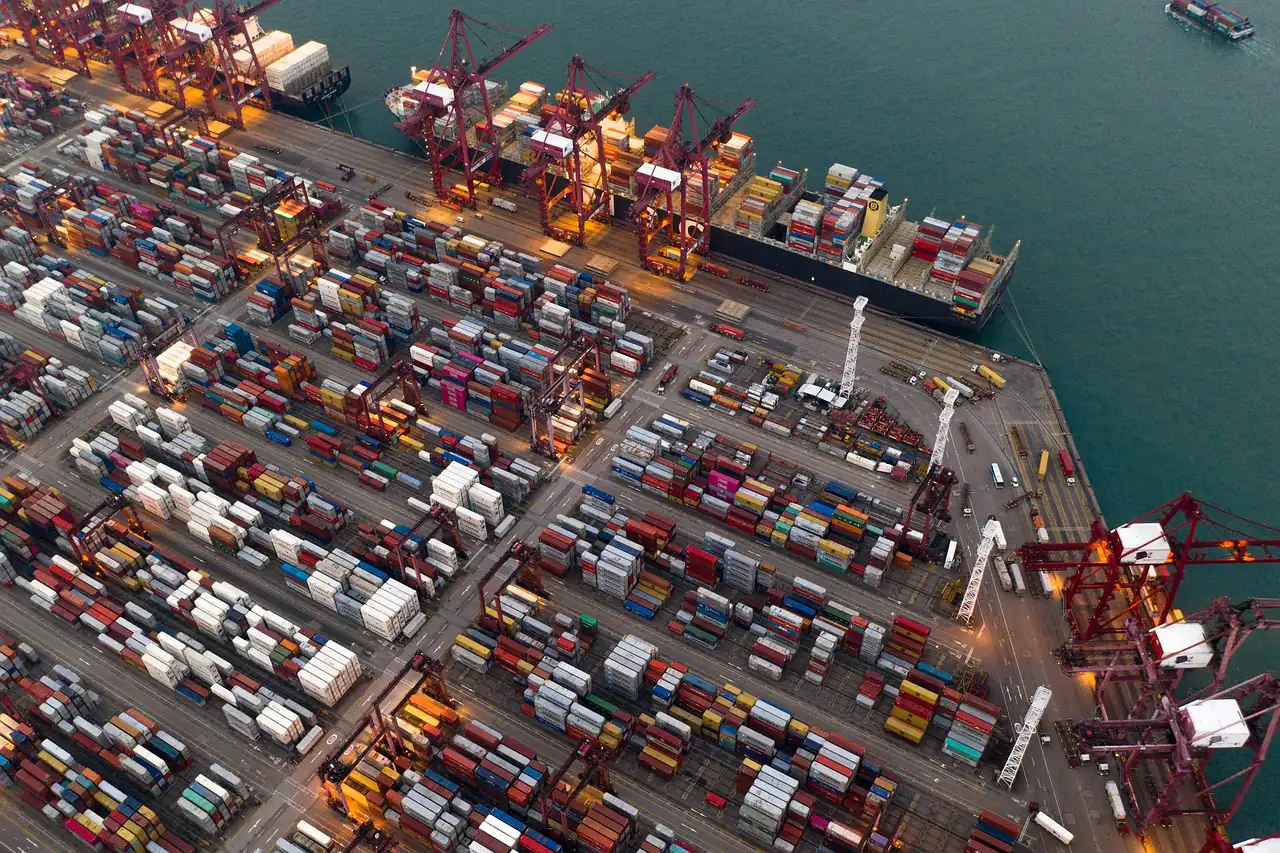
So the day your first container clears, you become a row in a database. Your company name, sometimes your address, the product description and the port. Anyone selling into your category can filter for it.
An Indian export agent described exactly this on a forum in August 2026 - "you can literally find 200 importers of your product in 5 minutes on any trade data platform" (r/exportersindia, 2026 (opens in a new tab)). He was giving advice to other Indian exporters on how to find buyers. That's you he's talking about.
Australia, New Zealand, the UK, the UAE and the EU don't publish shipment-level import records the way the US does. That doesn't mean you're invisible. Your company still shows up in trade-fair visitor lists, directory enquiries, LinkedIn, marketplace RFQs and your own website.
So if you're a Melbourne or Manchester importer getting the same emails, the trail is probably an enquiry you posted somewhere, or a fair you registered for. Did you post a buying request on a B2B marketplace last year? That alone can keep the emails coming for a long time.
Mostly sales agents, merchant exporters and small trading firms. Some are honest intermediaries who place orders with real makers and answer for the quality. Some are students or tiny start-ups with an export code and no stock, who plan to buy the goods after your advance arrives. A Mumbai spice start-up said as much in public in 2026 - "We will only procure bulk inventory after securing a 30% to 50% advance from the buyer" (r/exportersindia, 2026 (opens in a new tab)).
I want to be fair here. A merchant exporter is a normal way to buy from India, and plenty of Western retailers buy exactly that way. The problem isn't that the sender is a trader. The problem is a trader who calls himself the factory, because then your audit, your sample and your price talk all go to the wrong desk. We cover that trade-off properly in manufacturer vs trading company.
Real factories do cold-email too, but less than you'd think. Many good Indian makers barely exist online and win customers through fairs and references. One Indian B2B manufacturer said in 2023 - "Now we mostly acquire new customers through trade shows, or references" (r/india, 2023 (opens in a new tab)). So an inbox full of "manufacturers" tells you more about who works lists than about who runs machines. The same noise distorts online reviews, as why online reviews mislead shows.
You don't need to open a single attachment. Read the email for these tells -
It names your product, but not your spec. A list-worker knows your HS code and nothing else. A maker who actually looked at you will mention the fabric, the finish or the size range, because that's what they care about.
It offers everything. "Garments, home textiles, leather goods, spices and handicrafts" in one signature is a trading house, not a factory. Real makers are narrow. Of the 15 Indian maker profiles we read in US shipping data, 13 had one product chapter at 57% or more of their shipments (our count of US bill-of-lading records, Sep 2026).
It moves fast to WhatsApp and a quote. A US brand owner who got these messages in 2022 said the sender "wanted my Whatsapp and came up with a quote way too quick without explaining the costs behind everything" (r/streetwearstartup, 2022 (opens in a new tab), an older post). A real costing takes a spec and a few questions.
It won't give a GST number. Every Indian exporter of goods has one. Ask for it, and for the factory address. If the answer is a dodge, you've learned enough. If you get both, take ten minutes with what an Indian GST number tells you.
Partly. A US importer can ask Customs to keep its name and address off the published manifest under 19 CFR 103.31, and many brands do. Your customs broker can file it for you. It only works going forward, so older shipments stay in the databases.
Is it worth it? If you're a small brand with a product competitors would love to copy, yes, I'd file it. If you're happy to hear from new suppliers, leave it and use a filter rule instead. Just know that the confidentiality also hides you from honest makers looking for buyers like you, which is a small loss but a real one.
Sure, to the ones that pass the tells above. A cold email isn't a scam on its own, and now and then one turns out to be a good mid-sized maker with a sales team. Treat it like any lead. Ask who makes it, who answers for quality, and whose name goes on the commercial invoice. Then run the checks on how to check an Indian supplier.
What you shouldn't do is treat the email as a sign of vetting. Nobody vetted that sender. They found you in a spreadsheet. If you'd rather have someone find and check the actual factory for you, SourcingSync (opens in a new tab) does that on the ground.
The short version - your first import put you on a list, and the list is being worked. That's annoying, but it's also proof your category has sellers queuing up, and you get to pick.
Mostly no. Most are agents and traders working importer lists. Some will be fine to buy from, as long as they tell you who makes the goods.
It keeps your name off manifests filed after the request is in place. Older records stay. Ask your broker how long the request lasts and when to renew it.
Fairs, directory enquiries, marketplace buying requests and your website all leak your details. The US records are just the biggest single source.
Not a ranked one. Even the "top Indian suppliers" rankings built from US records are mostly freight forwarders, which we explain in why most top supplier lists are forwarders.
Ready to act
Want the shipment, documents and consolidation handled?
SourcingSync can coordinate the shipping, the documents and the hand-off to your forwarder.
Yash Khatri founded SourcingFrom to give buyers outside India the full picture of sourcing from India: what the country makes well, where it is made, who makes it and how it ships.
Leave your email and the PDF downloads straight away. We don't email it to you.
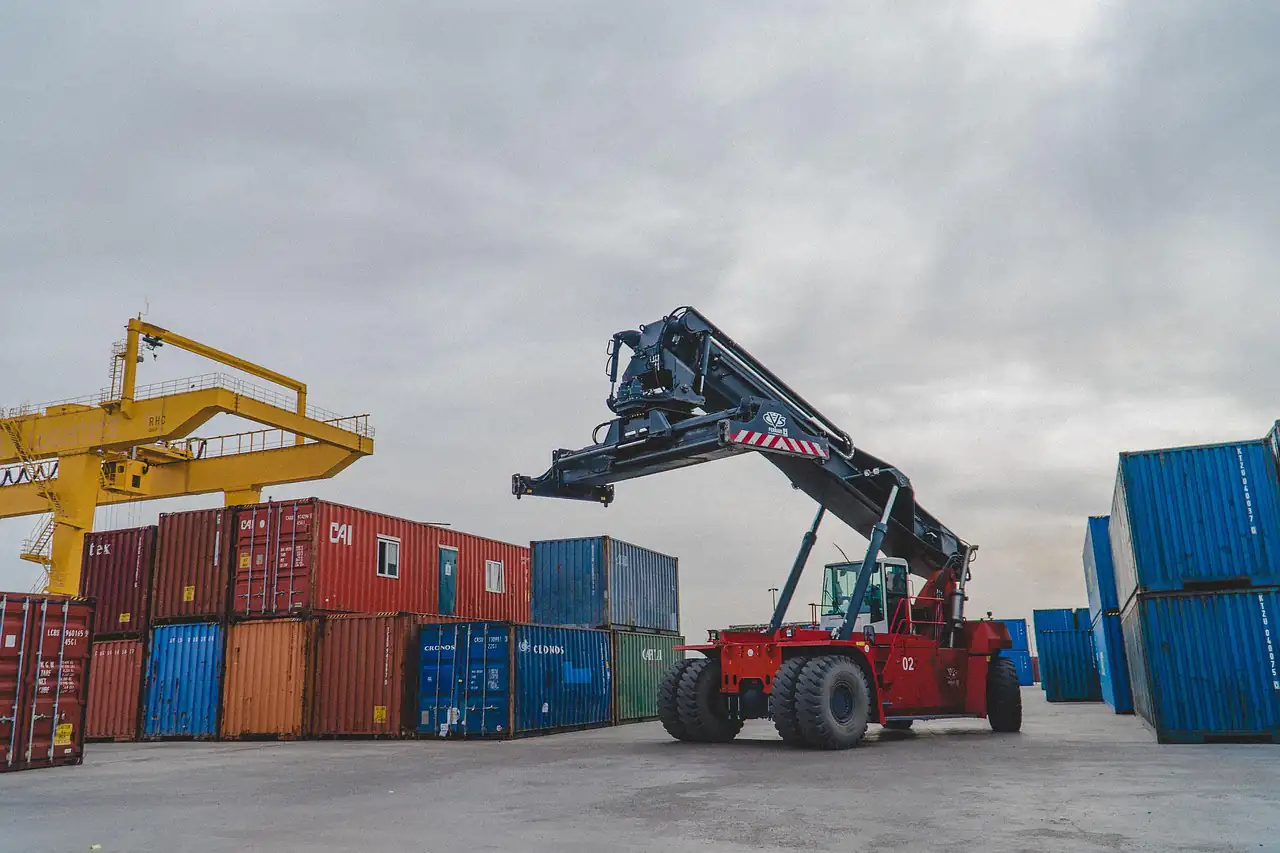
Our read of US shipping records for 21 Indian product lines found that 19 of the 20 biggest "Indian suppliers" are freight forwarders or logistics firms, and that many bills carry no shipper name at all. The post explains why the lists come out this way and how to tell a maker from a mover.

IndiaMART is not mostly scams, but its online reputation is worse than the B2B reality. Our forum audit found much of the scam noise came from grey-market medicine buyers, self-promoting agents and cold pitches. The real B2B problems are traders posing as factories, poor fit and no platform standing behind the deal.
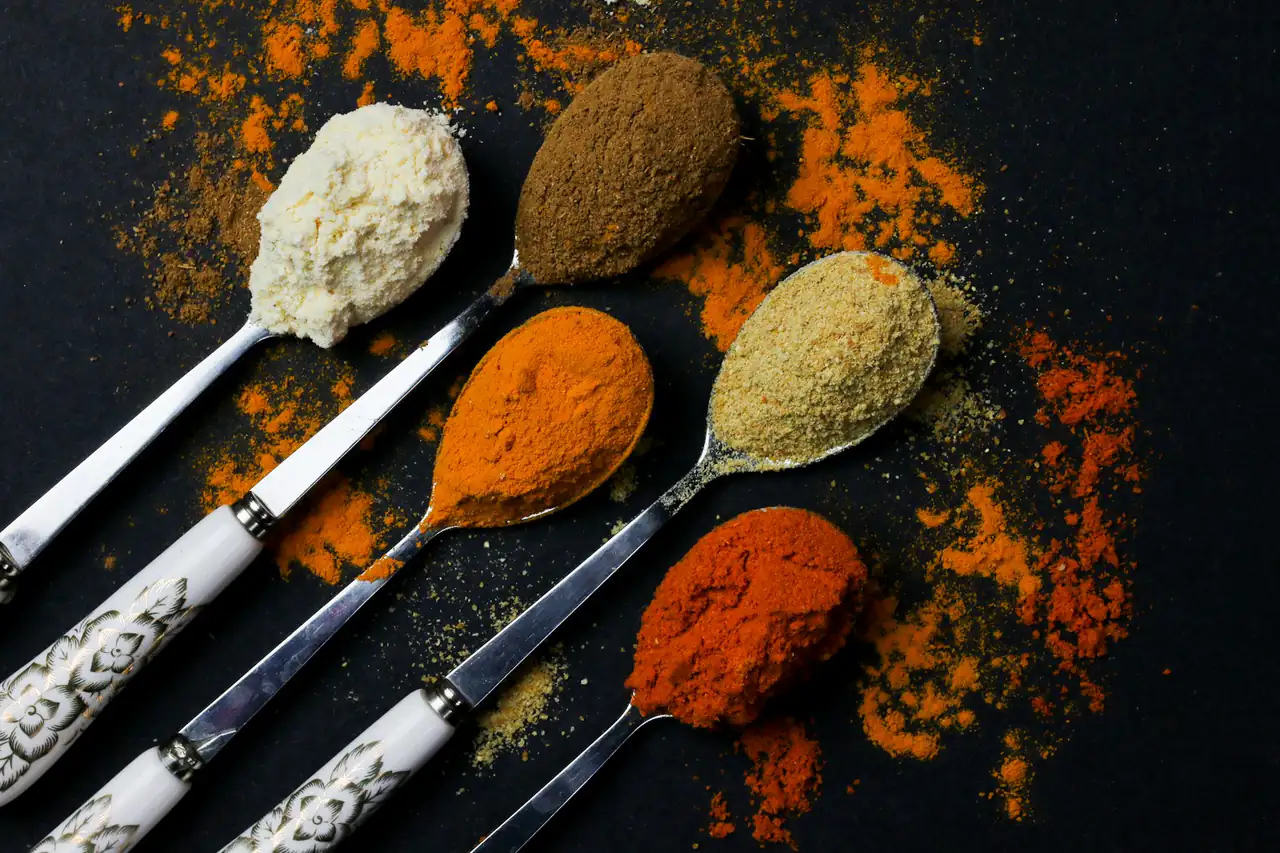
Each border tests imported food for different things: the EU hunts pesticide residues, the US acts mostly on firms through import alerts, and Australia tests risk foods against its own Food Standards Code. This guide uses about 22,000 official records on Indian food to show how to build a test panel per destination and test before you ship.

Sea freight from India to Sydney, Melbourne, Brisbane or Fremantle takes about 25 to 36 days port to port, and about five weeks door to door. No carrier we read sails direct, every box changes ship at a hub such as Singapore, Port Klang, Colombo or Tanjung Pelepas, and a missed connection can push a shipment past 50 days.

Sea freight from India to Auckland takes about 29 to 32 days port to port on a Port Klang relay, and 36 to 39 days to Tauranga. Other routings we read took 51 to 97 days because they relayed through North Asia or Oakland, so the relay your forwarder books decides your transit.

Mundra is the closer port for every north Indian cluster we mapped, but closer is not always faster. In the schedules we read, Mundra was quicker to the US East Coast, Nhava Sheva was quicker to the UAE, New Zealand and slightly quicker to Europe, and for Australia the two are close.