


Bed Linen From India by Town, Shipper and Border
Where Indian bed linen is made (Panipat, Karur, Chennimalai, Solapur and mill belts), who ships it to the US, and what the UK, Australia, NZ, US and EU charge now.

5 min read
Sea freight from India to Auckland takes about 29 to 32 days port to port on a Port Klang relay, and 36 to 39 days to Tauranga. Other routings we read took 51 to 97 days because they relayed through North Asia or Oakland, so the relay your forwarder books decides your transit.
Sea freight from India to Auckland takes about 29 to 32 days port to port when the carrier relays through Port Klang in Malaysia, and about 38 days to Tauranga. On other carriers' routings the same lane takes 51 to 97 days, because the box goes the long way round, some of it through Shanghai or even Oakland in California. There's no direct service, so the relay your forwarder books decides your transit.
I'm a little obsessed with this lane, because it's the clearest case I know of a single question saving a buyer seven weeks. It's also suddenly relevant, with more New Zealand buyers looking at India under the new trade agreement. Everything here comes from carrier schedules we read on 23 September 2026 and worked through ourselves. We re-read the fast relay and both port schedules on 13 October 2026. The slow carrier's site answered with a security check that day, so its figures are still the September ones. One caveat up front. These are carrier estimates for a short window, and New Zealand services change often, so check the current routing with your forwarder before you book.
No. India to New Zealand is a pure transshipment lane. The published New Zealand service we read marks every Indian call (Nhava Sheva, Colombo, Chennai and Calcutta) as "TRANSHIPPED Via Port Kelang", and the mother ship then calls Auckland, Lyttelton, Wellington, Napier and Tauranga (ANL KIX schedule (opens in a new tab)). The port schedules at both ends agree. In the Auckland and Tauranga vessel lists we checked, no ship had come from or was going to an Indian port.
So the useful question isn't "is it direct?" It's "where does my box change ship, and what does that hub connect to?"
Because some relays head east and some head the wrong way first. A Port Klang relay feeds the box from India to Malaysia and puts it on a ship that runs down to New Zealand. Short, simple, 30 days.
The slow routings we read connected through North Asia (Shanghai, Qingdao, Busan) or, on several sailings, through Oakland on the US west coast before coming back across the Pacific. That's not a mistake on the schedule. It's how that carrier's network joins the Indian services to the New Zealand ones. Your T-shirts might cross the equator twice and visit California before they reach Auckland.
Here's what that carrier's schedule showed for Auckland, departures from 24 September 2026, with the median and range:
| From | Median days | Range | Relay hubs shown |
|---|---|---|---|
| Nhava Sheva | 66 | 51 to 80 | Oakland, Shanghai, Singapore |
| Chennai | 76 | 53 to 86 | Colombo, Oakland, Shanghai, Singapore |
| Tuticorin | 78 | 55 to 90 | Colombo, Oakland, Qingdao, Shanghai, Singapore |
| Mundra | 79 | 55 to 89 | Oakland, Qingdao, Salalah, Shanghai, Singapore |
| Cochin | 82 | 54 to 90 | Colombo, Oakland, Shanghai, Singapore |
| Pipavav | 87 | 82 to 97 | Busan, Jeddah, Oakland |
Source: the carrier's public interactive schedule (opens in a new tab), read 23 September 2026, our medians, Indicative. Some legs weren't shown without a login.
Put that next to 30 days and you can see why two Kiwi importers buying the same thing from the same city can tell each other completely different stories about India.
From the published fast relay, Nhava Sheva and Chennai both reach Auckland in 29 to 32 days, and Kolkata is a little quicker at 26 to 29. For a north or west Indian supplier, that points to Nhava Sheva rather than Mundra, which looked slow on the routings we saw. For a south Indian supplier, Chennai. Kolkata suits suppliers in the east, such as the city's own leather makers.
Tauranga adds about a week on the same relay, 36 to 39 days from Nhava Sheva or Chennai, so if your warehouse is in the Bay of Plenty, compare that against Auckland plus the truck.
Three things, in writing, before the goods are packed:
If the supplier's forwarder books the freight, the supplier may not even know which relay it uses. That's one of the reasons we suggest buyers control their own freight, which is set out in choosing a freight forwarder. If you'd like it done for you, SourcingSync (opens in a new tab) books India freight on the routing you ask for.
A little. The products New Zealand already buys from India in volume are not urgent goods. India supplied 36.4% of New Zealand's household linen imports (heading 6302) in 2025, up from 27.1% in 2020 (Stats NZ, our analysis). Towels and sheets ride happily on a 30-day boat. Fast fashion with a short season is less forgiving, and an 80-day routing can kill it. Either way, plan the season on the slow figure until your forwarder proves the fast one. The trade agreement, duty dates and New Zealand's border rules are on importing from India to New Zealand.
For a small first order, check the levies too. Since April 2026 New Zealand charges per consignment, and small sea shipments can cost more in fixed levies than air, as the New Zealand page explains.

About 29 to 32 days to Auckland on a Port Klang relay, and 36 to 39 to Tauranga. Other routings we read took 51 to 97 days.
No. Every schedule we read transships, most quickly at Port Klang.
Some carriers connect their Indian services to New Zealand through North Asia or Oakland. It's legitimate, just slow. Ask for a Port Klang relay next time.
Only if your booking is on the Port Klang relay. Add the inland leg in India and New Zealand clearance on top.
Related: Importing from India to New Zealand · Sea freight routes · How long shipping from India to Australia takes
Ready to act
Want the shipment, documents and consolidation handled?
SourcingSync can coordinate the shipping, the documents and the hand-off to your forwarder.
Where Indian bed linen is made (Panipat, Karur, Chennimalai, Solapur and mill belts), who ships it to the US, and what the UK, Australia, NZ, US and EU charge now.

India supplies over a third of US and NZ linen imports. Which towns make terry towels, how to write a spec that stops lint and light pile, and what each market charges.
Yash Khatri founded SourcingFrom to give buyers outside India the full picture of sourcing from India: what the country makes well, where it is made, who makes it and how it ships. He reviews every guide on the site and holds each one to the same rule: say what we know, show how sure we are, and say plainly where the evidence runs out. He also runs SourcingSync, the hands-on service that does the sourcing work for buyers, and Kirnova, the data and intelligence company behind SourcingFrom Intelligence.
Want new guides when they go up? Get the newsletter
Leave your email and the PDF downloads straight away. We don't email it to you.
Sea freight from India to Sydney, Melbourne, Brisbane or Fremantle takes about 25 to 36 days port to port, and about five weeks door to door. No carrier we read sails direct, every box changes ship at a hub such as Singapore, Port Klang, Colombo or Tanjung Pelepas, and a missed connection can push a shipment past 50 days.
How a container moves from an Asian factory to your port, how to read a carrier schedule, and why the quoted transit time so often slips. India is the worked example, based on our read of public schedules for 84 India lanes, with knitwear to Melbourne and carpets to Rotterdam worked through.
Because the two countries record different things. Your customs records goods by country of origin, valued with freight and insurance, when they arrive. India records goods by the country it shipped them to, valued at the port, when they leave. Goods routed through hubs, freight costs, timing and valuation open gaps that can be huge: in our analysis Switzerland recorded 13.6 times more Indian woven apparel in 2025 than India recorded sending there. To judge India's real share of your market, use your own country's import data.
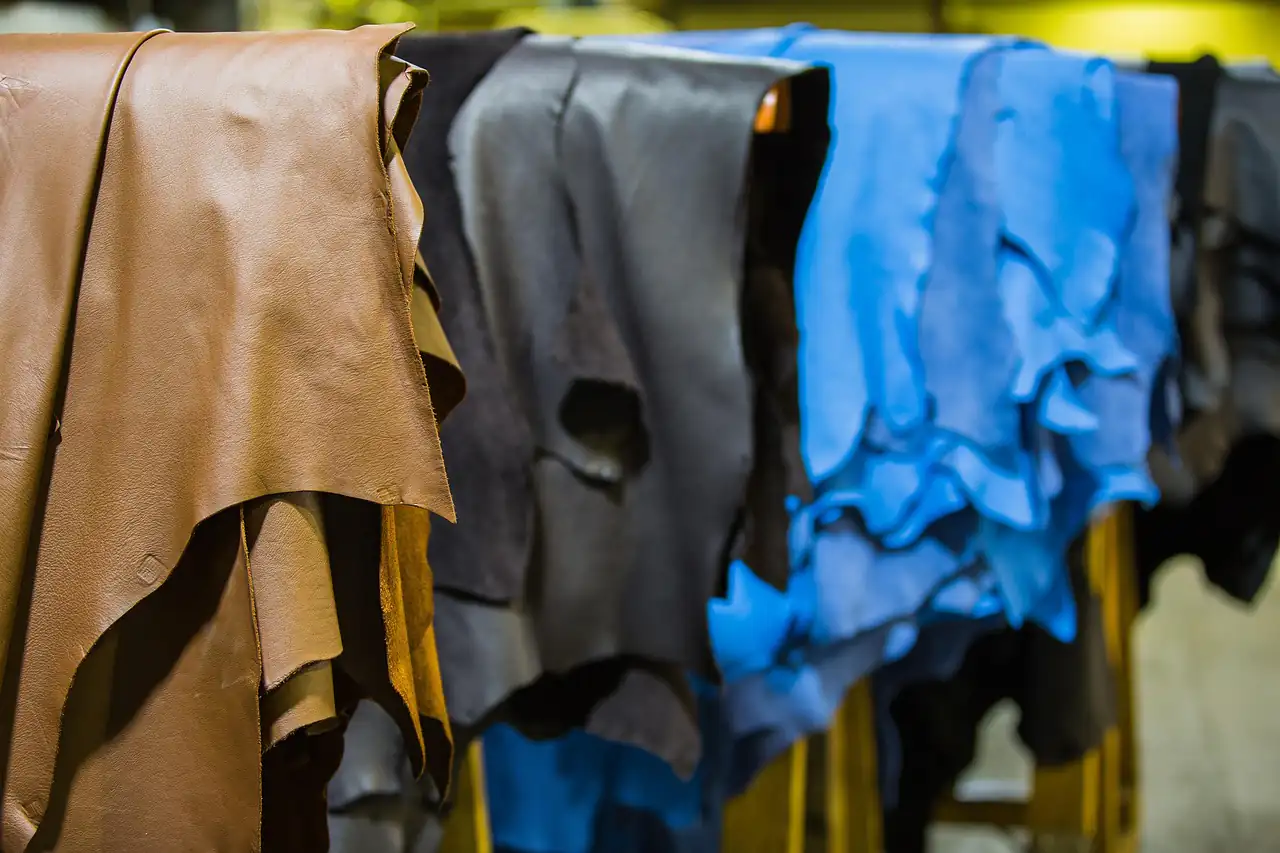
A quote that says "leather" tells you nothing about the animal, and in India the answer is often goat, sheep or buffalo rather than cowhide. Each behaves differently in a bag: goat is tough and small, sheep is soft and delicate, buffalo is thick, coarse and variable. Ask for the species, the tannage and the tannery in writing, check the grain yourself, and sample buffalo from the actual lot.
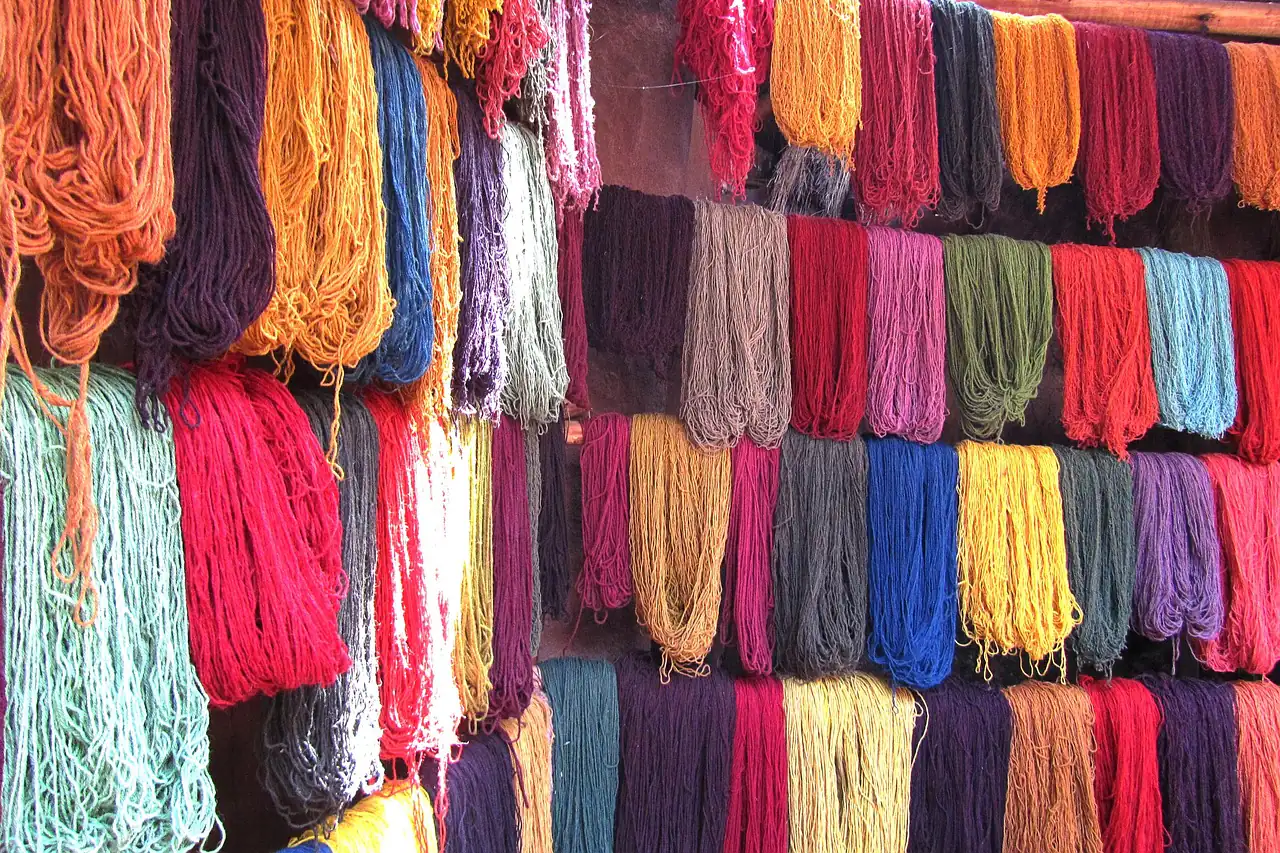
A custom rug from India usually arrives off-colour for one of five reasons: the colour was approved on a screen, the bulk yarn went into a different dye lot, the yarn looks different once woven into pile, the post-weaving wash shifted it, or it is being judged in different light or from the other end of the pile. Each has its own approval. Because returning a large rug to India is slow and costly, the approvals and the remedy belong in the order before weaving starts.

No. Urine does not tan leather, and the smell some buyers notice on Indian leather has ordinary causes: tannery residue left by poor washing and finishing, solvent finishes and bag-making glues, and moisture in packing and transit. Each smells different and has its own fix. Odour has no legal limit, so it has to go into the spec, with a closed-box check on bulk before you accept a shipment.