

Yash KhatriFounder, SourcingFrom
Yash Khatri founded SourcingFrom to give buyers outside India the full picture of sourcing from India: what the country makes well, where it is made, who makes it and how it ships.
6 min read
Indian orders usually take longer than the same order from China because of what happens around the factory: getting a booking confirmed, relaying the box through a hub port and rollovers caused by late export paperwork. The post splits a lead time into three legs and shows which parts a buyer can shorten.
An Indian order usually takes longer than the same order from China because of what happens around the factory, not only inside it. In our reading of forwarder reports and carrier schedules, the extra weeks pile up at three points: getting a booking confirmed, relaying the box through a hub port, and rollovers caused by late export paperwork. Production itself can be slower too, but it's rarely the whole story.

In July 2026 a freight forwarder put it more bluntly than I could. "I can get 10 containers on the water in China before India can even quote or book" (r/freightforwarding, 2026 (opens in a new tab)). That's one voice, and a frustrated one, but it points at the right place. This post splits an Indian lead time into its three legs, says which leg you can actually shorten, and is honest about what nobody has measured yet. The caveat - nobody publishes quoted-versus-actual lead times for India, us included, so the numbers below are dated and Indicative.
Split any order into three legs. Leg one runs from your purchase order to goods packed at the factory gate. Leg two runs from the gate to the ship actually sailing. Leg three runs from sailing to your door. Buyers who come from China tend to blame leg one for everything, because in China legs two and three are fast and boring.
In India, legs two and three are where China-trained timelines break. Leg two is the surprise. Booking space is slower, and a forwarder in the same 2026 thread said lines "don't release the rates until about five days before the vessels are due to leave", while another waited four weeks for a booking confirmation on ten twenty-foot boxes (r/freightforwarding, 2026 (opens in a new tab)). Then the box has to get from an inland town to the port, and mid-2026 forwarder notes describe containers taking 3 to 9 days just to move from Nhava Sheva port to the freight stations during congestion (Indian forwarder on LinkedIn, July 2026, as logged in our research).
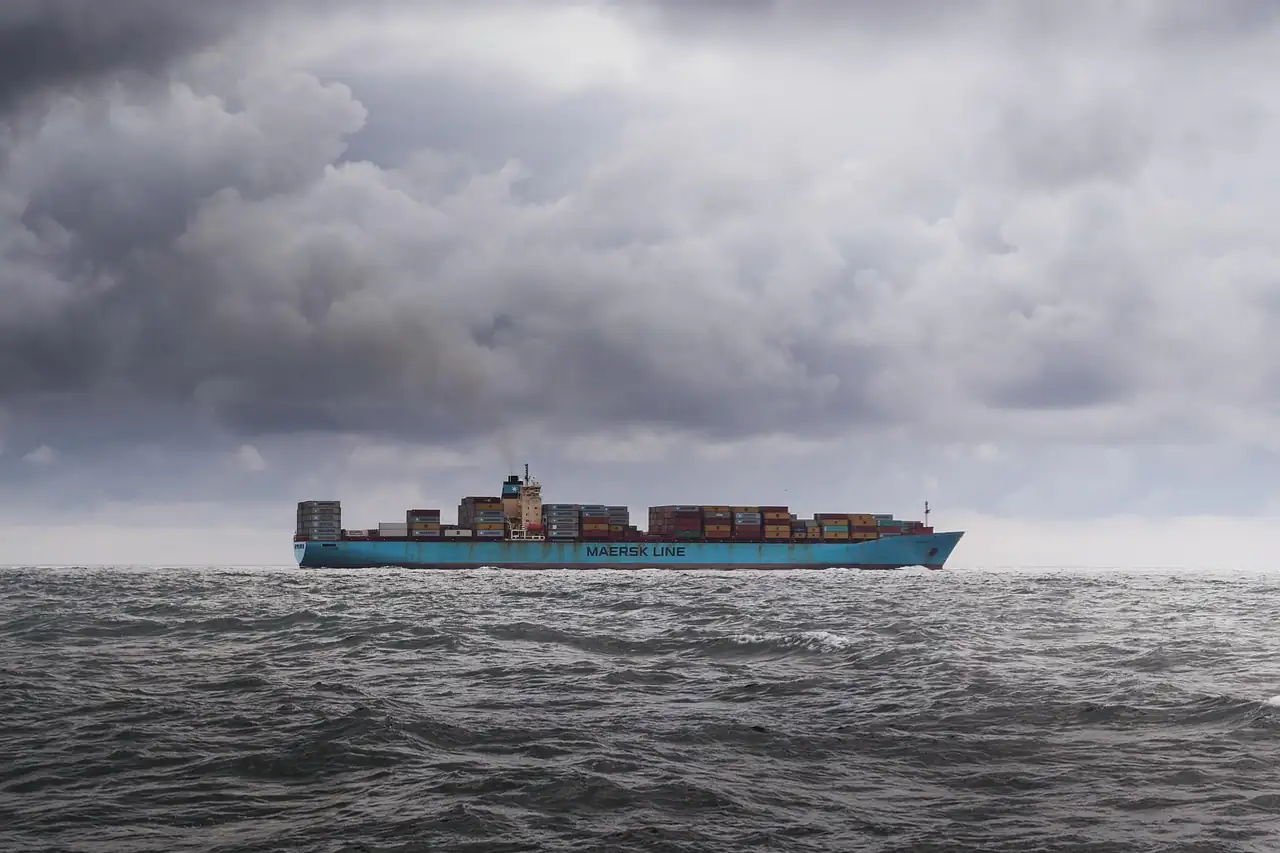
Leg three is the relay. Most Indian cargo to Australia, New Zealand and much of the world changes ship at a hub. Every change is a connection that can be missed.
Sometimes, and for reasons that are nobody's fault. Many Indian makers work in a cluster where dyeing, printing, stitching and finishing happen in different units, so your order travels between workshops before it's packed. Small orders also wait for a slot on a line that's busy with a bigger customer. Those are real days.
But I'd be careful with the famous answers. The usual explanation online is an old productivity statistic or "it's handmade, so it's unpredictable". Neither tells you what to do on Monday. The useful split is between slow and late. Slow is a long but honest quote, which you can plan around. Late is a short quote that slips, and that's a different problem with its own fixes, covered in our piece on reading "ready next week" messages.
Because most quotes you see are port to port, and you live door to door. A forwarder working the Nhava Sheva to Melbourne lane wrote in September 2026 that the trip "normally takes around 36 days" door to door, and that a mid-voyage reroute pushed one shipment to "almost 55 days" (forwarder on LinkedIn, 2026, as logged in our research). Web answers still quote three weeks for the same lane.
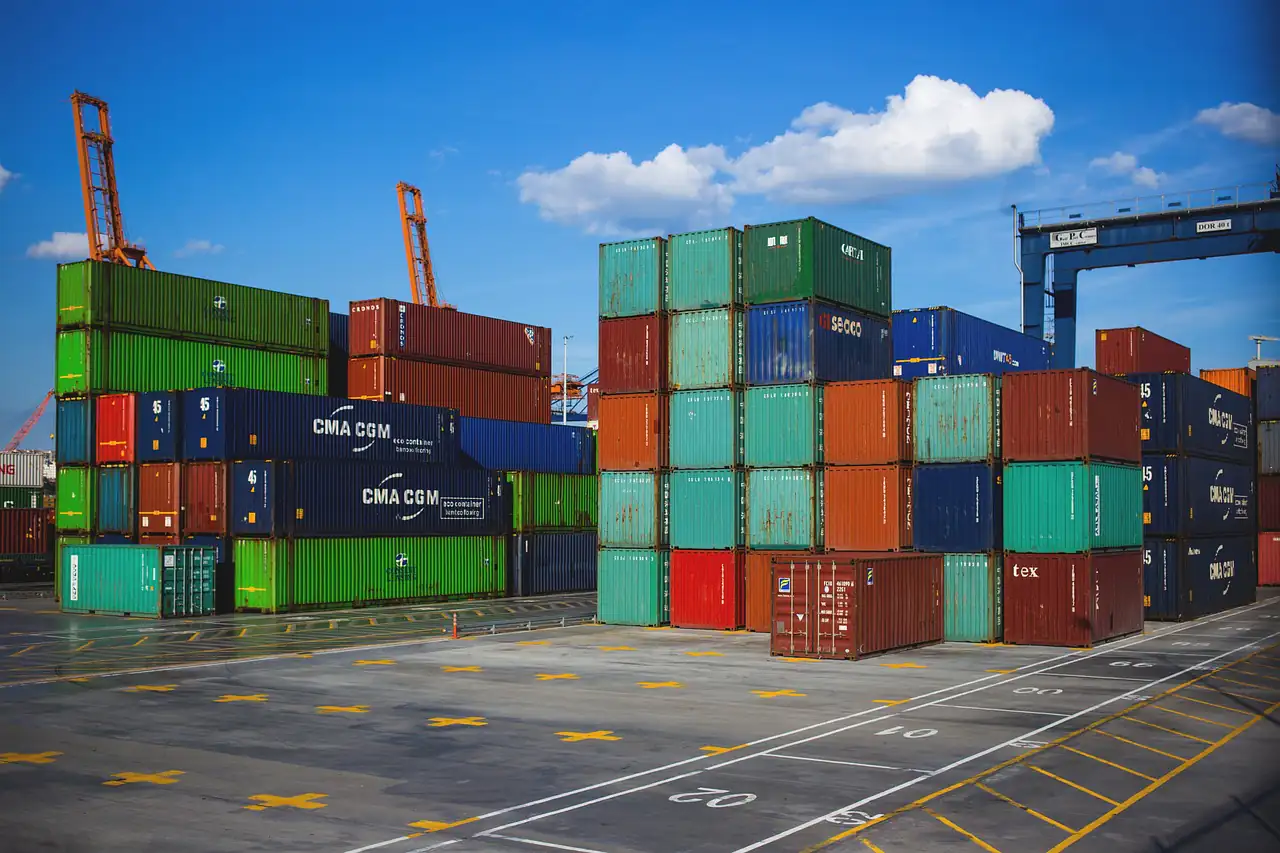
Our own map of carrier schedules shows why. No schedule we read had a direct India to Australia call. Every box relays at Singapore, Port Klang, Colombo or Tanjung Pelepas, and the gateway you leave from changes the answer more than most buyers expect. Pipavav was the slowest Australian option in the schedules we read, because its cargo relays through another Indian port first. New Zealand is more extreme still, at 30 to 32 days on one carrier's Port Klang relay and 51 to 97 days on another's (our cluster-port-transit map, September 2026, Indicative). The route detail lives on sea freight routes, so I won't repeat it here.
More than you'd think, and almost all of it before the goods are made.
Book early, through someone who books India every week. If rates are released days before sailing, the forwarder who books India lanes constantly gets space that an occasional shipper doesn't. Ask your forwarder for the last three India sailings it actually loaded on your lane, not its brochure transit time.
Choose the gateway, not just the carrier. Ask your supplier which port it normally uses and why. A northern maker may default to whatever its trucker knows. A different gateway can save more days than squeezing the factory.
Make the paperwork part of the order. A rollover caused by a late weight declaration or a wrong filing is pure supplier admin, and it's fixable. Put "export documents ready five working days before cut-off" in the purchase order, and ask who files them.
Plan to door, not to port. Add the hub, the destination port and clearance to the supplier's ex-factory date, and you have your real date. If the season matters, plan your landing a month earlier than feels necessary.
What you can't control is port congestion, a hub backlog or a canal closure. That's the part you buffer for, not the part you negotiate.
Yes, but compare the right thing. If your product needs four weeks of production in either country, the difference you'll feel is mostly booking and relay time, and for Australia and New Zealand that can be weeks. For the UK and the EU the gap is smaller, and from South India the Colombo relay can even be quick to Europe (see why your shipment says Colombo). The wider country trade-off, cost, MOQ and capability included, is on India vs China sourcing.
If you can't sit in Mumbai watching a booking, SourcingSync (opens in a new tab) tracks each milestone from purchase order to sailing and pushes the paperwork before cut-off.
Nobody publishes a reliable figure by product, and we won't invent one. Ask your supplier for production days and add booking, inland transport, relay and clearance yourself.
For samples and small urgent lots, often yes. For bulk it moves the problem to cost, so it's a rescue rather than a plan. See air freight from Indian export towns.
We haven't found first-hand evidence of how many working days clusters really lose around Diwali, so we won't give a number. Ask each supplier for its own closure dates before you place an October or November order, and get them in writing.
Carriers quote port to port on a named route. Your door-to-door time adds booking, inland moves, hub dwell and clearance.
That forwarder wasn't saying Indian factories are slow. He was saying India's booking and relay system is slower than China's, which is a different and much more fixable problem. Get the booking, the gateway and the paperwork sorted before production starts, and a lot of "India takes longer" quietly shrinks.
Ready to act
Want the shipment, documents and consolidation handled?
SourcingSync can coordinate the shipping, the documents and the hand-off to your forwarder.
Yash Khatri founded SourcingFrom to give buyers outside India the full picture of sourcing from India: what the country makes well, where it is made, who makes it and how it ships.
Leave your email and the PDF downloads straight away. We don't email it to you.

Most "Indian manufacturer" emails after a first import come from agents and traders who found your company in shipment data, not from factories. US sea manifests are public and importer lists take minutes to build. The post shows where the trail starts and how to tell a cold pitch from a real maker.

Much South Indian cargo shows Colombo as its port of loading because it travels on a feeder ship from Tuticorin, Cochin or Chennai and joins the ocean vessel in Sri Lanka. North and west Indian cargo mostly sails direct from Nhava Sheva or Mundra. The relay does not change origin, but it affects your Incoterm risk, your trade agreement paperwork and your transit time.

When an Indian supplier keeps saying your goods are nearly ready, the order is usually waiting on something unstated: material, a bigger order on the same line, or work at another workshop. Ask for dated proof of where the order physically is, not for another date.

Sea freight from India to Sydney, Melbourne, Brisbane or Fremantle takes about 25 to 36 days port to port, and about five weeks door to door. No carrier we read sails direct, every box changes ship at a hub such as Singapore, Port Klang, Colombo or Tanjung Pelepas, and a missed connection can push a shipment past 50 days.

Sea freight from India to Auckland takes about 29 to 32 days port to port on a Port Klang relay, and 36 to 39 days to Tauranga. Other routings we read took 51 to 97 days because they relayed through North Asia or Oakland, so the relay your forwarder books decides your transit.

Mundra is the closer port for every north Indian cluster we mapped, but closer is not always faster. In the schedules we read, Mundra was quicker to the US East Coast, Nhava Sheva was quicker to the UAE, New Zealand and slightly quicker to Europe, and for Australia the two are close.