


Cotton T-Shirts From India: Which Town, What Each Border Charges and What It Tests
Where Indian cotton T-shirts are made, what Australia, NZ, the UK, US, EU and UAE charge on them, which origin proof you need and what to test first.
6 min read
Much South Indian cargo shows Colombo as its port of loading because it travels on a feeder ship from Tuticorin, Cochin or Chennai and joins the ocean vessel in Sri Lanka. North and west Indian cargo mostly sails direct from Nhava Sheva or Mundra. The relay does not change origin, but it affects your Incoterm risk, your trade agreement paperwork and your transit time.
You bought T-shirts from Tamil Nadu, and the shipping record says they left from Sri Lanka. Relax, nobody swapped your factory. This post explains why so much South Indian cargo "loads" at Colombo, what the north and west of India do instead, and the three places it actually touches your money.
I'll lean on two things we built ourselves - a count of US import records for 21 Indian product lines, and our map of which Indian clusters use which ports. One caveat. The shipment-level numbers come from US records, because the US is the only big market that publishes them. The routing logic applies just as much if you're in Melbourne or Manchester.
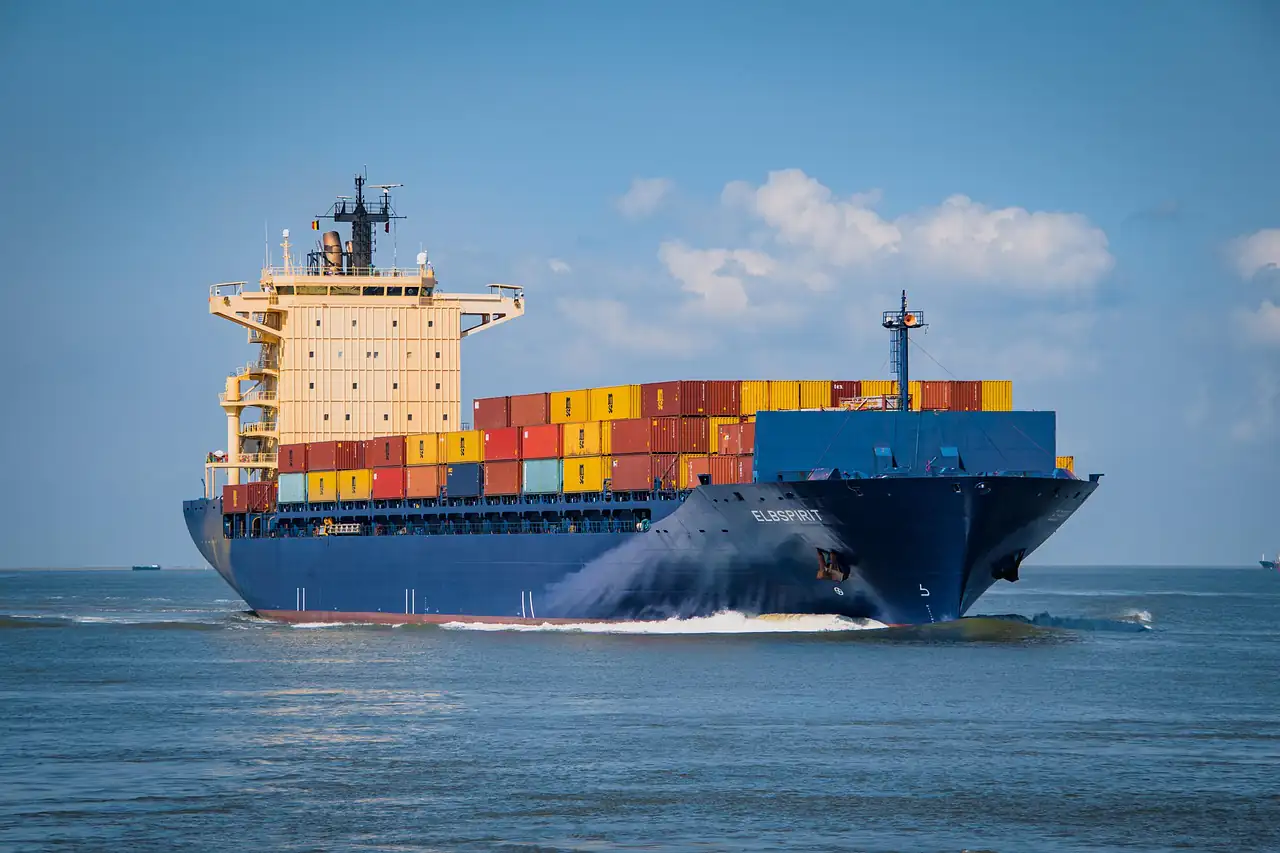
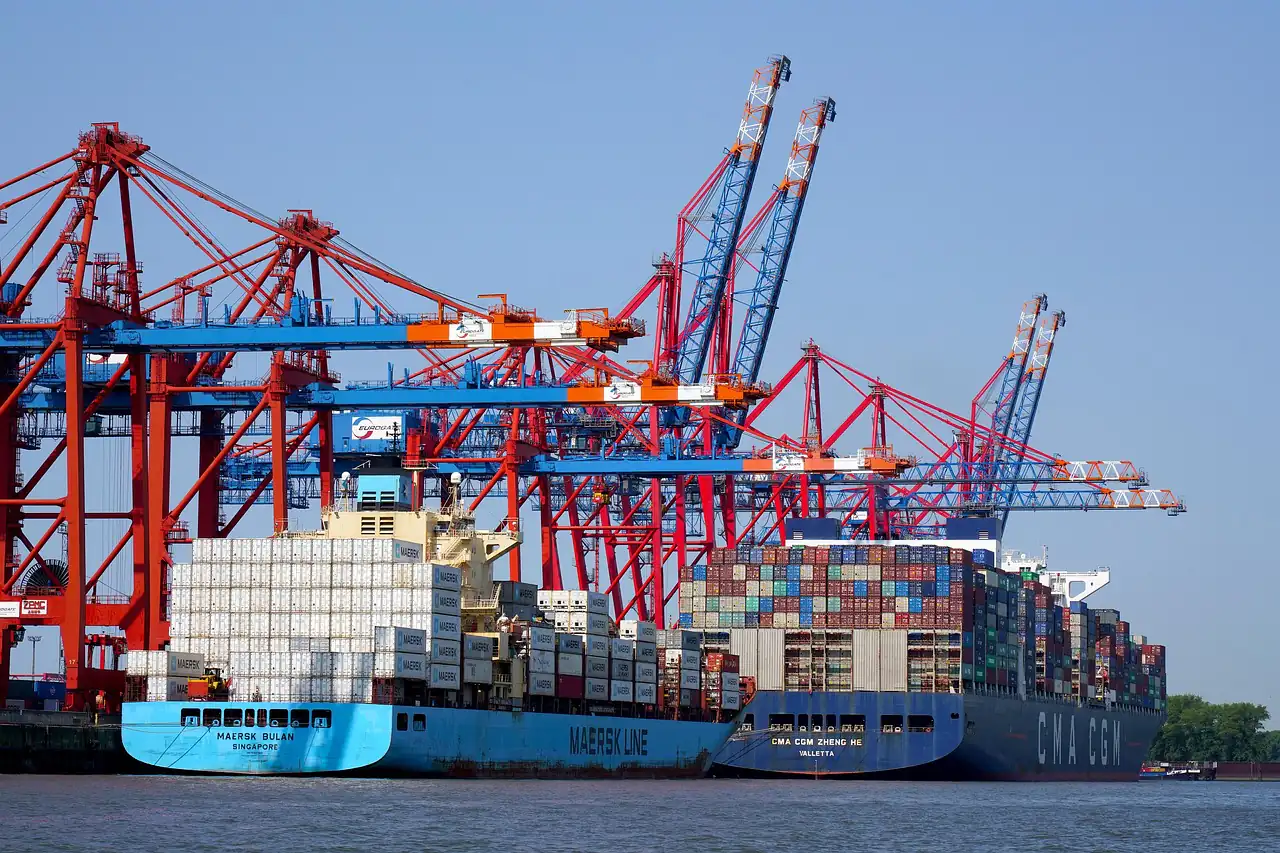
The big ships that cross to America and Europe don't call at every Indian port. Many South Indian boxes start on a small feeder vessel from Tuticorin, Cochin or Chennai, cross to Colombo in a day or two, and get lifted onto the ocean-going "mother" vessel there. US customs records the foreign port where the box boarded the ship that arrived in the US. So Colombo goes on the record and the Indian port quietly drops off it (our analysis of US bill-of-lading records).
That's why Chennai, a busy port with a whole leather and electronics belt behind it, is invisible in US data for T-shirts, babywear, bed linen, bags and shoes. The port isn't idle. The records are just looking at the second ship. We tell that story from the port's side on Chennai port, so I won't repeat it here.
Colombo isn't the only relay either. Salalah in Oman shows up as the port of loading on 14.4% of Indian knit babywear and 10.4% of leather shoes bound for the US (same records). Same idea, different hub.
Flip to the other side of India and the pattern disappears. Hand-knotted carpets from the Bhadohi belt load at Nhava Sheva on 85.7% of US shipments. Ceramic tiles from Morbi load at Mundra on 55.3%, and furniture, mostly Jodhpur, at Mundra on 54.6% (US bill-of-lading records, our count). For those lines Colombo is 3.4% or less.
The reason is simple geography. Nhava Sheva and Mundra get direct mainline calls to the US and Europe. On the carrier schedule we read in September 2026, Mundra to New York was 30 days and Mundra to Savannah 36, both on a single ship. Tuticorin to Savannah was a median of 50.5 days, every sailing through a hub (one carrier's public schedule, departures from 24 Sep 2026, Indicative).
So the same "India" on your purchase order can mean a direct sailing or a relay, depending on which coast your maker sits on. That's worth knowing before you compare two quotes. Our sea freight routes guide has the full lane-by-lane picture.
Here's the bit people miss. If your supplier quotes FOB Tuticorin, risk passes to you when the goods are loaded on the feeder at Tuticorin, not at Colombo. Anything that happens on the feeder, in the Colombo yard, or during a missed connection is on your side of the line, and on your cargo insurance (see FOB).
That isn't a reason to avoid FOB. It's a reason to make sure your insurance starts at the Indian port, and that your forwarder tells you the hub before you book. A box sitting a week in Colombo waiting for a mother vessel is still your box.
Do you buy CIF or DAP instead? Then the seller carries more of that leg, and the hub becomes their problem until the point your term says otherwise. Either way, ask which hub before you sign.
The good news first. A relay at Colombo doesn't change the country of origin. Your T-shirts were made in India, the certificate of origin says India, and a few days in a Sri Lankan port doesn't make them Sri Lankan.
The part to check is your trade agreement's transport rule. Most preferential deals want goods shipped directly, or through a third country without any processing beyond unloading and reloading. A routine Colombo relay normally fits inside that, but the proof your customs wants (a through bill of lading, sometimes a hub document) varies by agreement. Check this with your customs broker before the first shipment, not after it's held. Our certificate of origin guide covers the paperwork side.
And ask for a bill of lading that shows the Indian port of loading. If your documents and the arrival record disagree, it's much easier to explain with the feeder leg on paper.
Every relay adds a connection that can slip. Through August and September 2026 the hubs at Colombo, Singapore and Port Klang were congested, which is why quotes on transshipped lanes moved week to week (carrier advisories, as summarised on sea freight routes). The Indian leg is usually the stable part. The wait is at the hub.
It isn't always slower, mind you. For Europe the South Indian relay can win. On the same carrier, Chennai to Rotterdam was a median of 25 days and Tuticorin 30, against 33 from Nhava Sheva (one carrier's public schedule, September 2026, Indicative). For the US east coast the west Indian ports are quicker. So the question isn't "is Colombo bad?" It's "which hub, and how long does my box usually sit there?"
| Lane (one carrier, September 2026, Indicative) | Median days | Routing |
|---|---|---|
| Mundra to New York | 30 | Direct |
| Mundra to Savannah | 36 | Direct |
| Tuticorin to Savannah | 50.5 | Via a hub |
| Chennai to Rotterdam | 25 | Varies by sailing |
| Tuticorin to Rotterdam | 30 | Varies by sailing |
| Nhava Sheva to Rotterdam | 33 | Varies by sailing |
If you're juggling feeder bookings, hub dwell and a supplier 300 km inland, SourcingSync (opens in a new tab) can run the freight side and keep the paperwork straight for you.
Our cluster map lists Tiruppur's likely gateways as Cochin, Tuticorin and Chennai, from distance and rail links (Tiruppur knitwear cluster). The US records can't settle the order, because a Cochin or Chennai feeder would also show up as Colombo. What they do show is that Tuticorin is the only Tamil Nadu port that appears directly, and that forwarders registered in Tuticorin are among the ten largest named T-shirt shippers (US bill-of-lading records, our count). Our port-side notes are on Tuticorin port.
So when your Tiruppur maker says "we ship from Tuticorin" and your US record says Colombo, both are telling the truth. Ask for the feeder vessel name and the hub on the booking, and you'll never be confused by it again.
Related reading: Mundra or Nhava Sheva, how long shipping from India to Australia takes and choosing a freight forwarder.
Colombo on the paperwork is just South India's normal commute to the ocean. Know your hub, start your insurance at the Indian port, and the Sri Lankan stopover stops being a mystery.
Ready to act
Want the shipment, documents and consolidation handled?
SourcingSync can coordinate the shipping, the documents and the hand-off to your forwarder.
Where Indian cotton T-shirts are made, what Australia, NZ, the UK, US, EU and UAE charge on them, which origin proof you need and what to test first.

India supplies about a quarter of the knitted babywear the UK and US import. Where it is made, which trims fail border checks, and what Australia, the UK, US and EU charge.
What FDA Import Alert 28-02 means for Indian black pepper, which Kerala and Karnataka districts grow it, the imported-pepper question, and UK, EU, NZ, Australia and UAE rules.
Yash Khatri founded SourcingFrom to give buyers outside India the full picture of sourcing from India: what the country makes well, where it is made, who makes it and how it ships.
Leave your email and the PDF downloads straight away. We don't email it to you.

Sea freight from India to Sydney, Melbourne, Brisbane or Fremantle takes about 25 to 36 days port to port, and about five weeks door to door. No carrier we read sails direct, every box changes ship at a hub such as Singapore, Port Klang, Colombo or Tanjung Pelepas, and a missed connection can push a shipment past 50 days.

Mundra is the closer port for every north Indian cluster we mapped, but closer is not always faster. In the schedules we read, Mundra was quicker to the US East Coast, Nhava Sheva was quicker to the UAE, New Zealand and slightly quicker to Europe, and for Australia the two are close.

Indian orders usually take longer than the same order from China because of what happens around the factory: getting a booking confirmed, relaying the box through a hub port and rollovers caused by late export paperwork. The post splits a lead time into three legs and shows which parts a buyer can shorten.

Sea freight from India to Auckland takes about 29 to 32 days port to port on a Port Klang relay, and 36 to 39 days to Tauranga. Other routings we read took 51 to 97 days because they relayed through North Asia or Oakland, so the relay your forwarder books decides your transit.
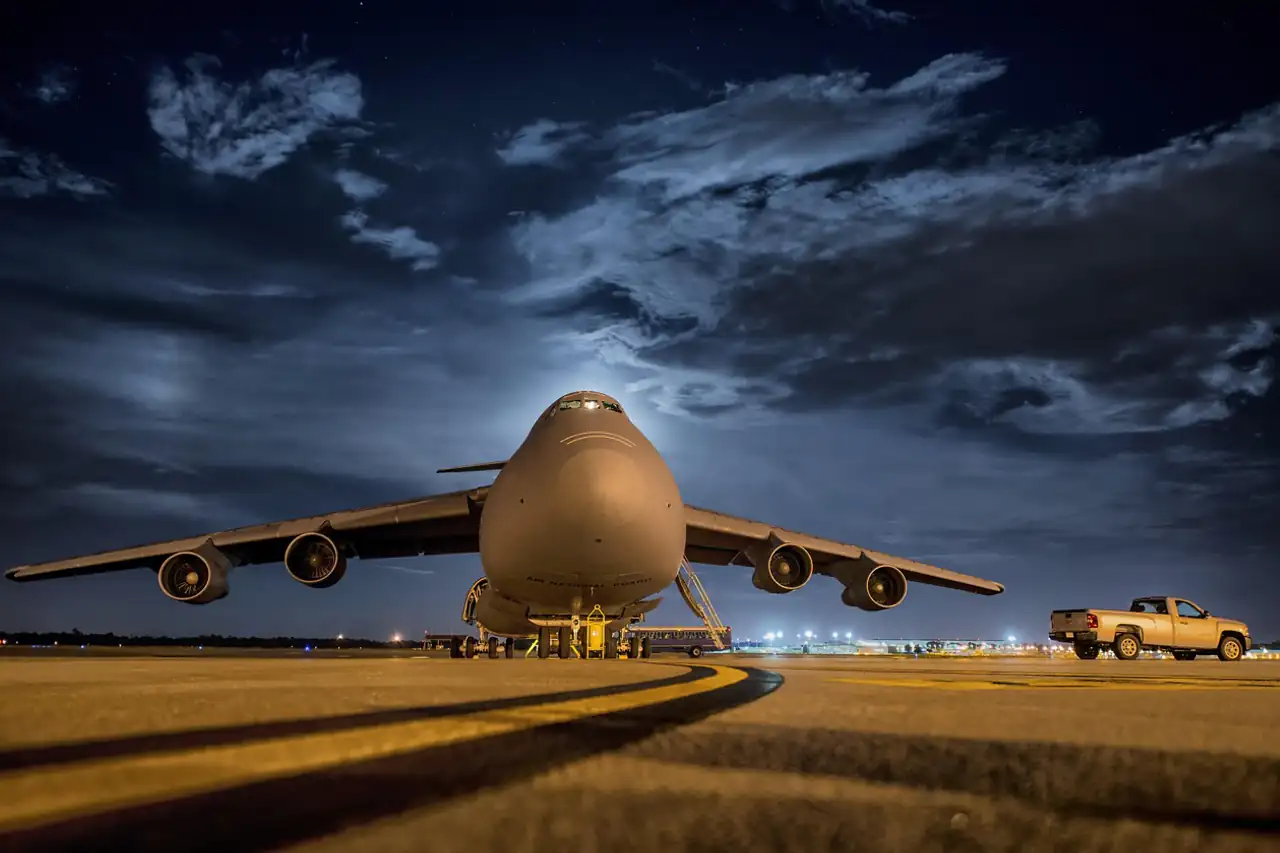
Usually not. Most Indian export towns have no busy international cargo airport, so urgent goods and samples are trucked to a gateway, most often Delhi, Mumbai, Bengaluru or Chennai. Delhi and Mumbai carried 58.5% of India's international air freight in FY2025-26.
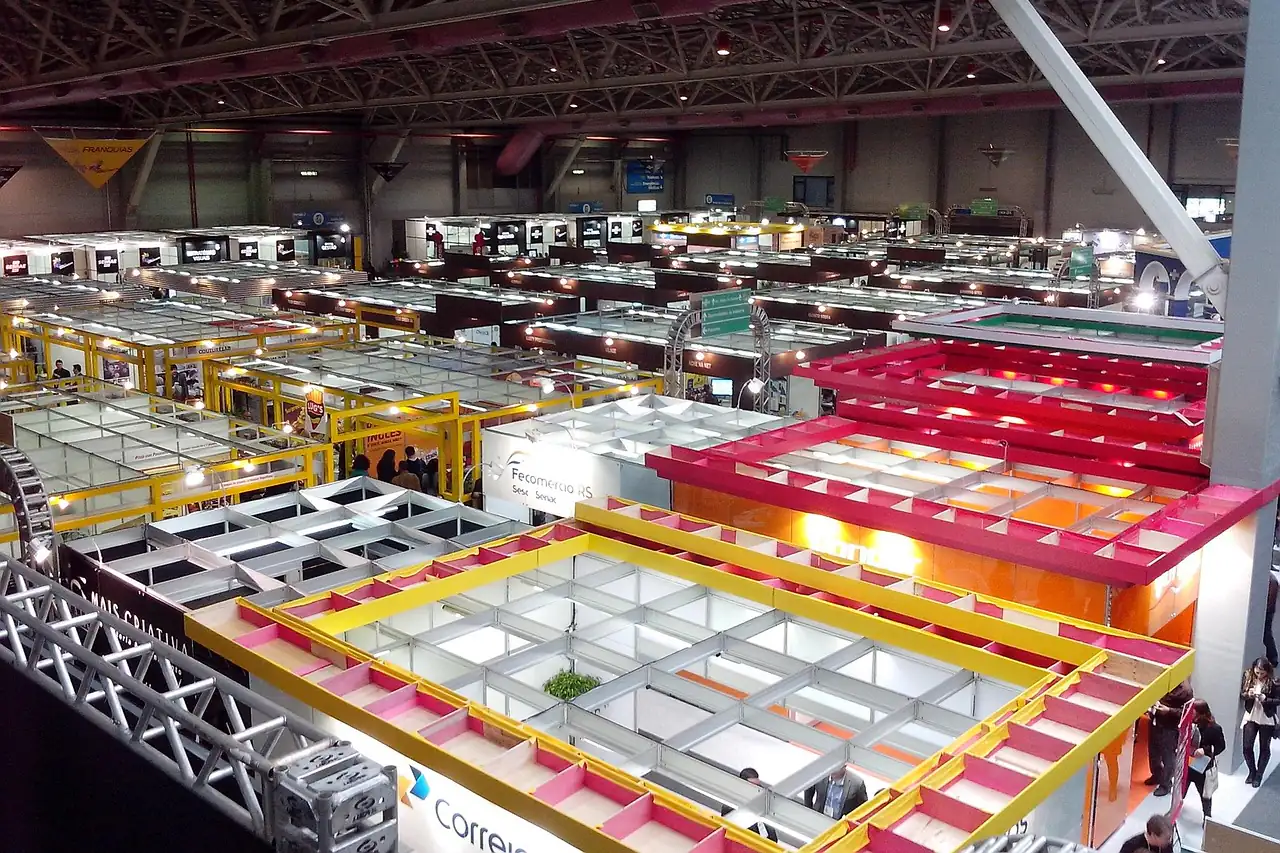
Not always. At export council fairs such as IHGF and IIJS every exhibitor must be a council member, which guarantees a registered exporter but not a factory, because merchant exporters can be members too. Some other big Indian fairs are mostly domestic or open to the public.