

Yash KhatriFounder, SourcingFrom
Yash Khatri founded SourcingFrom to give buyers outside India the full picture of sourcing from India: what the country makes well, where it is made, who makes it and how it ships.
5 min read
A foreign importer can open a liaison office in India through an Indian bank if the parent has three profitable years and US$50,000 net worth. The office can promote trade and talk to suppliers, but it cannot earn income or act as your buying agent, which is a branch office activity with stricter tests.
Yes, but probably not the kind you're picturing. A foreign importer can open a liaison office with a bank's approval under Reserve Bank of India rules, if it has three profitable years and a net worth of at least US$50,000. That office may promote trade and act as your link to Indian suppliers, but it can't earn income in India, and acting as your buying agent is listed for a branch office, which needs five profitable years and US$100,000.

Growing importers ask me this once their India orders get big enough to feel risky from a distance. The instinct is right. Someone on the ground does change things. But the office is the heaviest way to get that someone. Below is what the rules allow, read from the RBI's own Master Direction, and the lighter routes most buyers end up taking. The honest caveat is that the RBI has had new draft rules out since October 2025, so check the current position before you plan around any of this.
Think of it as a representative office. Under the RBI's Master Direction it can represent the parent company in India, promote exports and imports, promote technical or financial collaboration, and act as the communication channel between the parent and Indian companies (RBI Master Direction (opens in a new tab)). For a buyer, that covers the useful jobs: visiting factories, following orders, running quality checks and talking to suppliers in their own time zone.

What it can't do is trade. It doesn't sell, it doesn't charge your suppliers anything, and it doesn't earn a commission. Its running costs come from head office, through the one kind of money its bank account is allowed to receive. If you were hoping the office would pay for itself by taking a cut from Indian factories, that's exactly what the rules close off.
For a liaison office, the parent needs "a profit making track record during the immediately preceding three financial years in the home country and net worth of not less than USD 50,000" (same Direction). A subsidiary that falls short can rely on a letter of comfort from a parent that meets the tests.
Approval normally comes from your Indian bank (an authorised dealer bank), not the RBI itself. Prior RBI approval is needed only in listed cases, which include applicants from certain countries, some sectors and regions, NGOs and foreign government bodies. The permission is "generally for three years", extendable, and the office files an annual activity certificate every year. One adviser estimates approval at 20 to 24 weeks (Mondaq (opens in a new tab), an adviser's estimate). Have an Indian chartered accountant or lawyer run the filing, because the forms and the annual reporting are the part people underestimate.
Then the liaison office is the wrong vehicle. The Direction lists acting "as buying/ selling agent in India" among the activities of a branch office, and a branch needs five years of profit and at least US$100,000 net worth (same Direction). A branch is a bigger commitment, with more reporting and Indian tax questions that a liaison office mostly avoids. Get Indian tax advice before you go there.
So the line to remember: a liaison office can watch, check and talk. It can't buy on your behalf as a commercial agent, and it can't make money.

Possibly. On 3 October 2025 the RBI released draft Foreign Exchange Management (Establishment in India of a Branch or Office) Regulations, 2025, for comment (RBI press release (opens in a new tab)). Advisers summarising it say it would merge the office types and drop the net-worth and profit tests (EY, Dec 2025 (opens in a new tab)). On 13 October 2026 it still wasn't on the RBI's list of FEMA notifications (opens in a new tab), and the Master Direction still showed its May 2021 update. Until it is, the 2016 rules and the Master Direction apply. Check with your Indian bank before you file.
| Liaison office | Branch office | |
|---|---|---|
| Profit record | Three years | Five years |
| Net worth | At least US$50,000 | At least US$100,000 |
| Can act as your buying agent | No | Yes |
| Can earn income in India | No | Get Indian tax advice first |
(RBI Master Direction, as above)
Most importers don't, and I'd say that even if we didn't run a service that competes with one. Here are the realistic options, lightest first.
The question that sorts it is simple. Do you need control, or presence? Control comes from contracts, inspections and paying against documents. Presence costs an office. Most buyers need the first and pay for the second.
If you'd like a team on the ground without setting up anything, that's what SourcingSync (opens in a new tab) does for importers: supplier visits, order follow-up and quality checks in India, run as a service. The longer view of all the ways to buy is on ways to source from India.
Yes, as a liaison office approved through an Indian bank, if the parent has three profitable years and US$50,000 net worth. It can't earn income in India.
No. Its account may receive only head office funds for its expenses. Acting as a buying agent is a branch office activity.
One adviser estimates 20 to 24 weeks. Your bank and adviser will give you a current figure.
A sourcing agent, a buying house or an inspection service covers most needs. SourcingSync is another.
Related reading: Why Indian suppliers ask for full advance · What an Indian GST number tells you · Supplier payment disputes
Related: Buying house · Sourcing agent · Ways to source from India
Ready to act
Need an Indian exporter of record or someone on the ground?
SourcingSync can act for you in India: export paperwork, a local presence and the follow-up a remote buyer cannot do.
Yash Khatri founded SourcingFrom to give buyers outside India the full picture of sourcing from India: what the country makes well, where it is made, who makes it and how it ships.
Leave your email and the PDF downloads straight away. We don't email it to you.

An Export Oriented Unit (EOU) is a manufacturer or service provider by definition, because India's trade policy says trading units are not covered. An SEZ unit can be a trading or warehousing unit, so SEZ status says less. Neither status proves quality or capacity.

India's income per person today is where China's was in 2007-08, but its factory base is much smaller and its wages are already rising. For a buyer that means costs will climb and capacity will grow, so the makers you build relationships with now are the ones worth having in five and ten years.
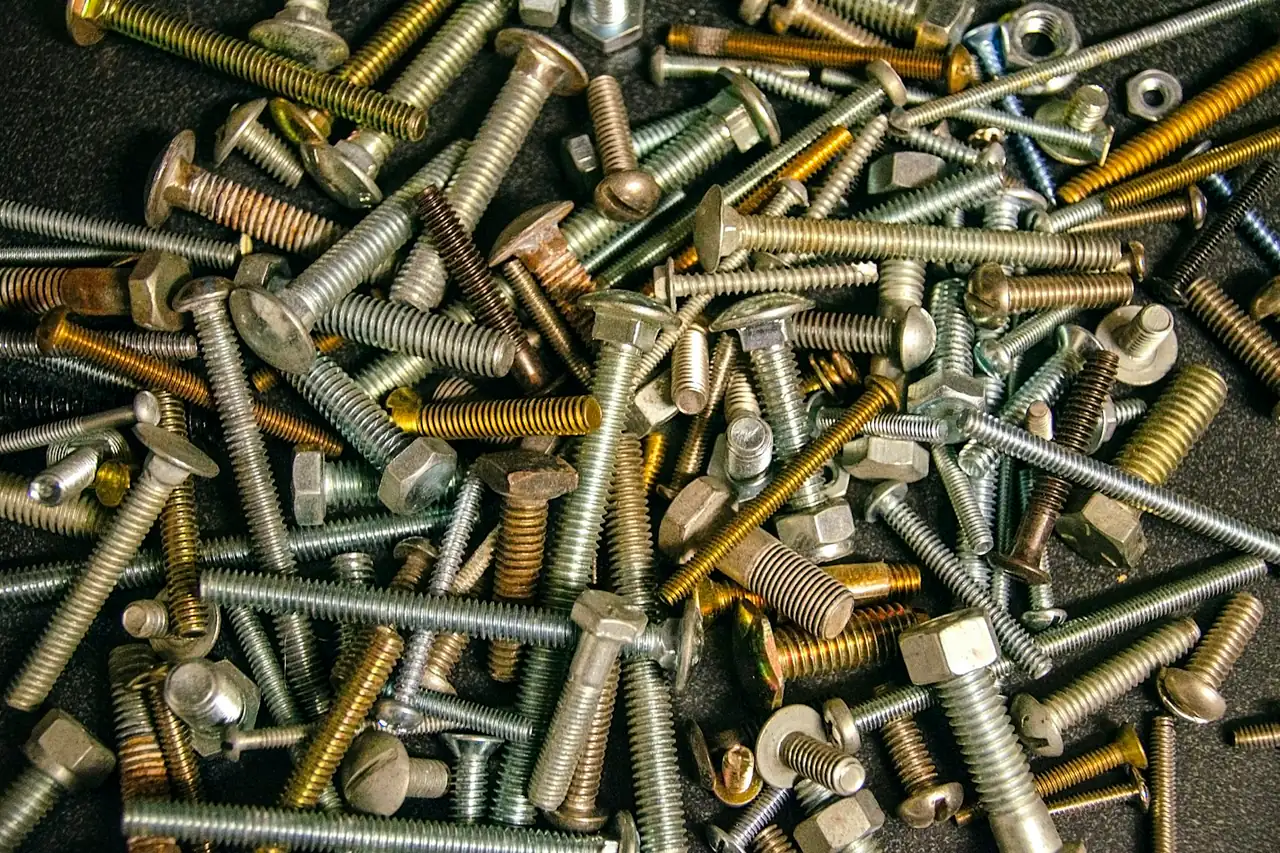
How the EU Carbon Border Adjustment Mechanism, in its definitive phase since 1 January 2026, affects a buyer of Indian steel, aluminium and fasteners. It covers the three tests for whether you are in, the 2027 payment calendar, and the emissions data to ask your Indian supplier for.

Sea freight from India to Sydney, Melbourne, Brisbane or Fremantle takes about 25 to 36 days port to port, and about five weeks door to door. No carrier we read sails direct, every box changes ship at a hub such as Singapore, Port Klang, Colombo or Tanjung Pelepas, and a missed connection can push a shipment past 50 days.

Sea freight from India to Auckland takes about 29 to 32 days port to port on a Port Klang relay, and 36 to 39 days to Tauranga. Other routings we read took 51 to 97 days because they relayed through North Asia or Oakland, so the relay your forwarder books decides your transit.

Mundra is the closer port for every north Indian cluster we mapped, but closer is not always faster. In the schedules we read, Mundra was quicker to the US East Coast, Nhava Sheva was quicker to the UAE, New Zealand and slightly quicker to Europe, and for Australia the two are close.