

Handmade Rugs From India: Which Carpet Town, What Each Border Charges and Who Really Weaves
Which Indian town weaves which rug, what the UK, US, Australia and NZ charge by rug type, how to ask who weaves your order, and when to meet makers.
5 min read
Often not. Many rugs sold as Kashmiri are woven in Jaipur or Bhadohi, and some are not hand-knotted or Indian at all. A genuine Kashmiri hand-knotted carpet can carry a GI label with a QR code issued after inspection by a government institute in Srinagar, and that label is the check worth asking for.
Often not. "Kashmir" on a rug is frequently a style or a sales word, and many rugs sold under it are woven in Jaipur or Bhadohi, and some aren't hand-knotted at all. A genuine Kashmiri hand-knotted carpet can carry a GI label with a QR code issued after testing by a government institute in Srinagar, and that label is the check worth asking for.
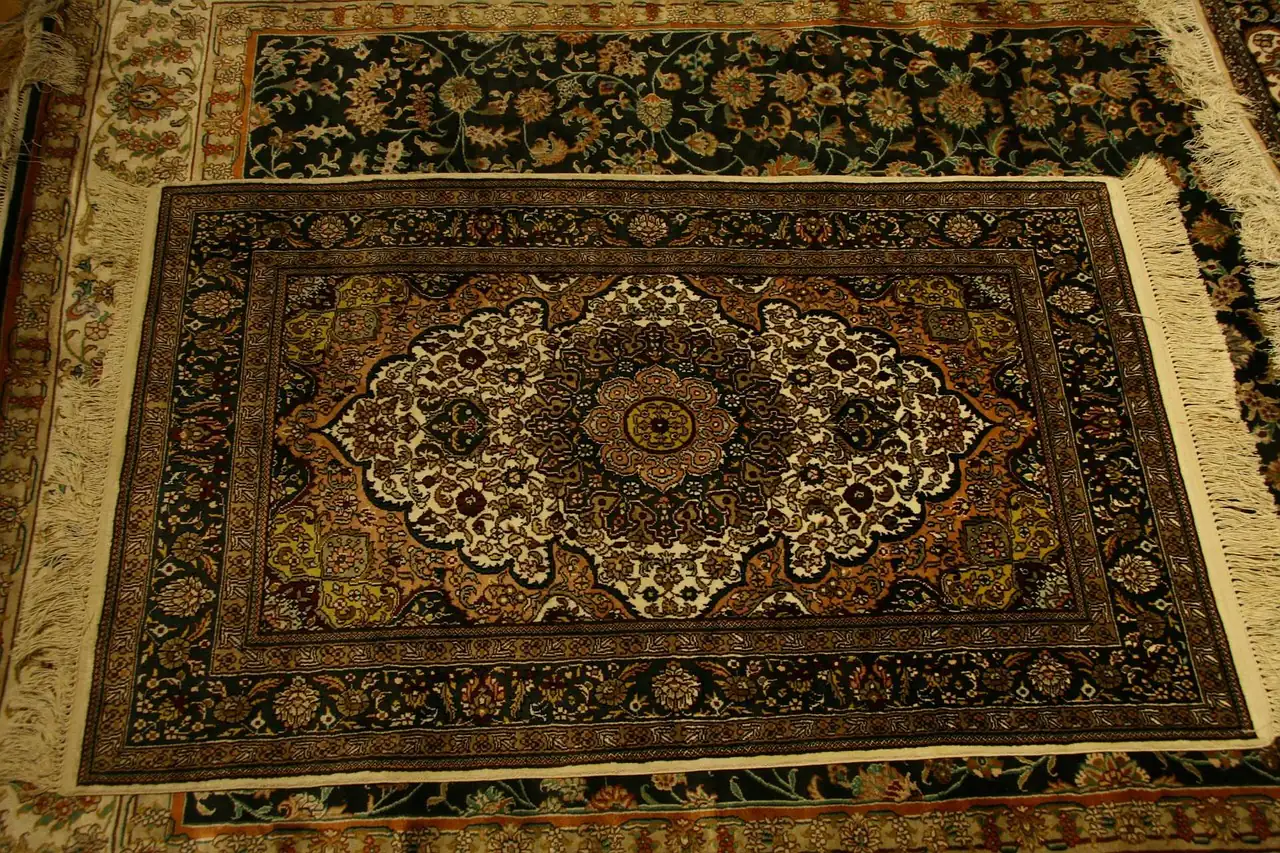
None of this makes the other rugs bad. Bhadohi, Mirzapur, Jaipur and Panipat weave some of the best-value hand-knotted rugs in the world, and US customs data says they dominate India's exports. The only problem is a rug sold under a name it can't support. If you're buying for resale, that's your problem too, because the label you print is your claim.
In three places, by the accounts we've read. Some really are made in Kashmir. Some are hand-knotted in other Indian clusters and labelled Kashmiri. A Srinagar maker said it bluntly about one silk rug on a rug forum in March 2025 - "this rug is made in jaipur or bhadohi many kashmiri showrooms sell them" (r/Rugs, March 2025 (opens in a new tab)). And some aren't Indian or handmade at all. A traveller who bought two "silk on silk" rugs in a Bangalore hotel shop was told by an Indian trade voice it was "definitely not handmade most probably machine made from iran or turkey", and a third person named Antep in Türkiye (r/Rugs, October 2024 (opens in a new tab)).
Those are forum accounts, one voice each, and I'd treat them as patterns to check rather than proven facts. But they agree with what the shipment data says about scale. If most of India's hand-knotted export comes from Bhadohi and its neighbours, most rugs in a "Kashmir" showroom were never likely to be Kashmiri.
Kashmiri hand-knotted carpets were registered as a geographical indication in 2016 (Kashmir Life (opens in a new tab)), and the Indian Institute of Carpet Technology in Srinagar runs a QR-code certification, launched in February 2022. The carpet is inspected first, then a secured fusion label with the GI logo and a QR code is fixed to it. Each label also carries a unique alpha-numerical code you can check on the institute's own site if the scan fails (IICT Srinagar (opens in a new tab), read 13 October 2026). The institute's lab told local press it had certified around 16,000 carpets since 2022 (Kashmir Life (opens in a new tab)).
Labels get faked too. In July 2025 the J&K handicrafts directorate blacklisted a seller who sold a machine-made carpet with a fake QR code imitating the institute's label (Kashmir Despatch (opens in a new tab)). So check a label like this:
Two honest limits. A rug made before 2016 can be genuinely Kashmiri with no label, as one owner pointed out in the same forum thread. And these reports come from regional news, not from the institute's own pages, which we haven't read. Check the current process with the institute before you rely on it for a range.
Where is it woven, by whom? Ask for the town and the workshop, not the showroom. A Jaipur exporter selling a Bhadohi-woven rug is a normal trader (more on that in is a city address a trader sign). It only becomes a problem if the label says otherwise.
What's the construction? Hand-knotted, hand-tufted, flatwoven or machine-made. Turn it over. Our handmade rugs guide shows how to tell them apart by the back.
What's the knot count, and how was it counted? The Srinagar maker gave 18 by 18 knots per inch as the minimum for Kashmiri work, usually silk on a cotton foundation rather than all silk (r/Rugs, March 2025 (opens in a new tab)). That's one maker's figure for one tradition. Agree the counting method in writing.
What fibre, tested? "Silk" on rug labels is often viscose, sold as art silk or bamboo silk. Viscose is a legitimate fibre. Calling it silk isn't. Ask for a fibre test from a lab, and if it's Kashmiri, the GI label. Test the bulk as well as the sample, for the reasons in sample perfect, bulk not.
By what the rug is. Country of origin is India for an Indian-woven rug wherever in India it was made, and that's what goes on customs papers (rules of origin has the detail). "Kashmir" is a regional claim, and in most markets a regional claim you can't support is a consumer law risk for the seller. If the rug is a Kashmiri design woven in Bhadohi, say "Kashmir design" or "Persian style" and be proud of the weaving. Bhadohi doesn't need to borrow anyone's name. The cluster's own story is on Bhadohi and Mirzapur.
Ready to act
Need hands-on help?
Visiting the workshop, counting knots, fibre-testing a sample and checking a GI code before you pay is field work. SourcingSync can do it for you in India.
Look for the GI label with a QR code, scan it, and check the details match the rug. Then confirm the construction and fibre yourself or with a lab.
No. They're different traditions. Bhadohi and its neighbours weave most of India's hand-knotted exports and sell on design, size and value.
Not necessarily. Pieces made before 2016, or by makers outside the scheme, won't have one. It just means you can't verify the Kashmir claim, so don't sell it under that name.
No. Viscose is common under the name art silk or bamboo silk. Ask for a fibre test.
Where India's rugs come from, town by town, is on handmade rugs from India.
Which Indian town weaves which rug, what the UK, US, Australia and NZ charge by rug type, how to ask who weaves your order, and when to meet makers.
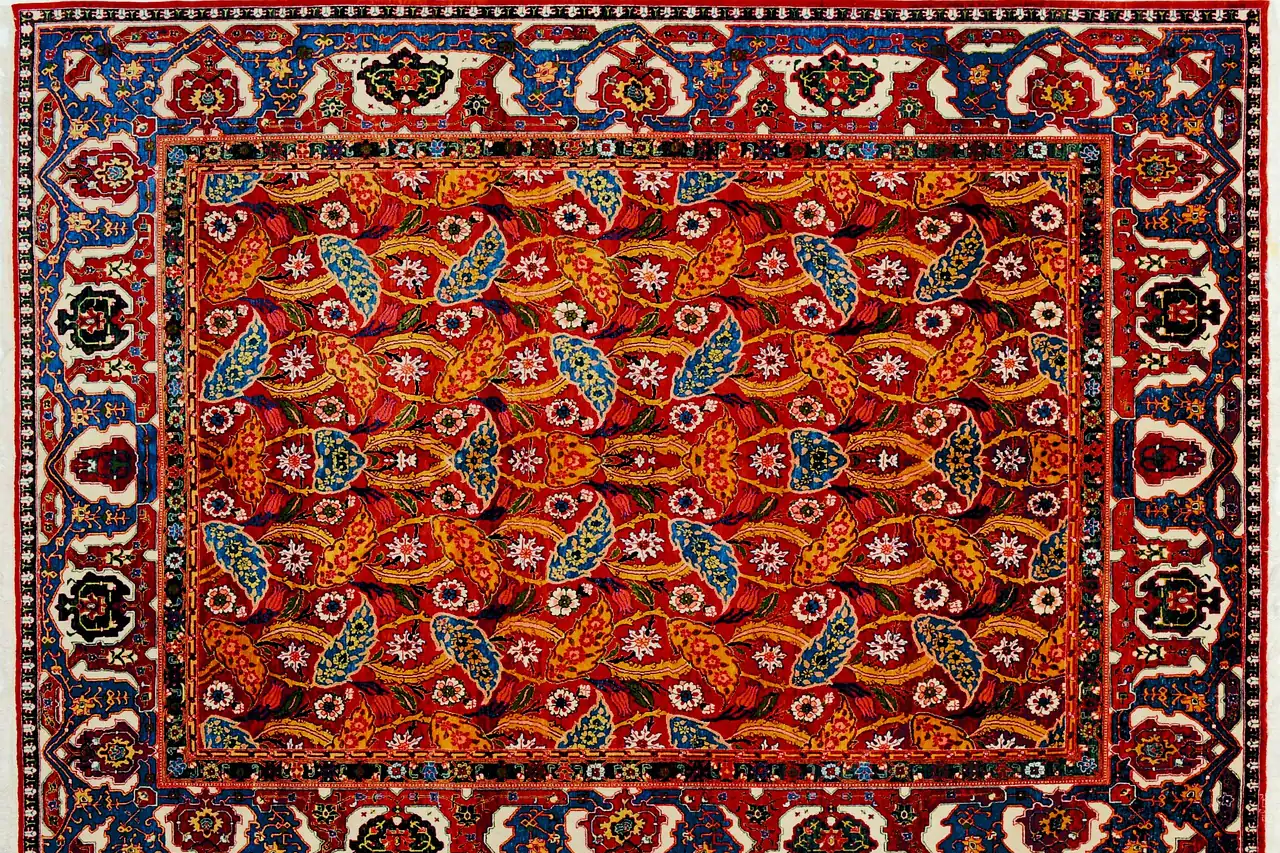
Hand-knotted, tufted, flat-woven, machine-made or coir: where each kind of rug is made, who competes with India in your market, and the rules that actually bite.
Yash Khatri founded SourcingFrom to give buyers outside India the full picture of sourcing from India: what the country makes well, where it is made, who makes it and how it ships.
Leave your email and the PDF downloads straight away. We don't email it to you.
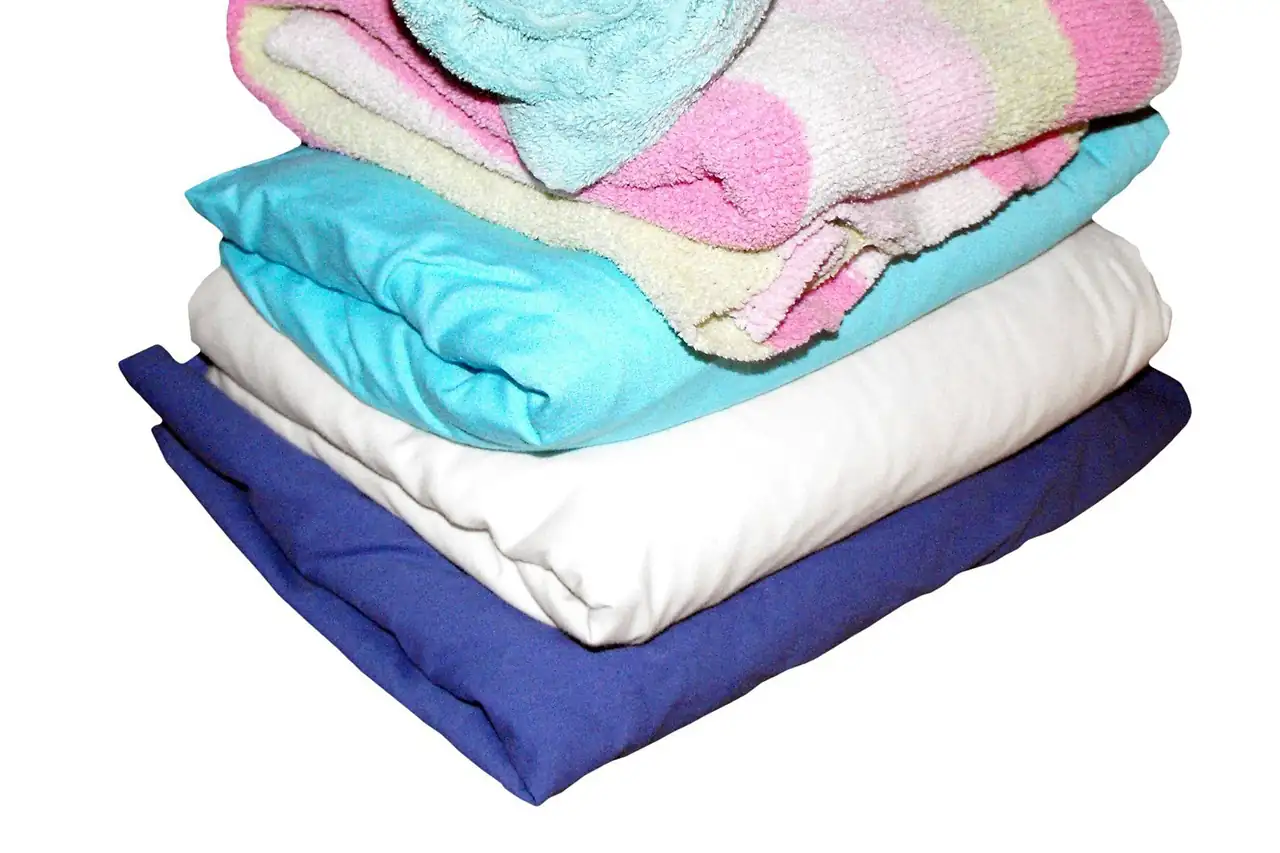
India is strongest in specific products, not broad categories. Import records from the US, Australia, the UK and New Zealand show it leading in household linen, knotted carpets, babywear, women's woven tops, lab-grown stones, jute bags and saddlery, and mid-table or weaker in basic apparel, precision work, furniture and footwear.
Our read of US shipping records for 21 Indian product lines found that 19 of the 20 biggest "Indian suppliers" are freight forwarders or logistics firms, and that many bills carry no shipper name at all. The post explains why the lists come out this way and how to tell a maker from a mover.

An Indian GST number (GSTIN) shows the state a business is registered in, carries its PAN, which is also its export code, and once looked up shows whether it is active and able to export. It proves a registered business exists, not that it makes your product.

Sea freight from India to Sydney, Melbourne, Brisbane or Fremantle takes about 25 to 36 days port to port, and about five weeks door to door. No carrier we read sails direct, every box changes ship at a hub such as Singapore, Port Klang, Colombo or Tanjung Pelepas, and a missed connection can push a shipment past 50 days.

Sea freight from India to Auckland takes about 29 to 32 days port to port on a Port Klang relay, and 36 to 39 days to Tauranga. Other routings we read took 51 to 97 days because they relayed through North Asia or Oakland, so the relay your forwarder books decides your transit.

Mundra is the closer port for every north Indian cluster we mapped, but closer is not always faster. In the schedules we read, Mundra was quicker to the US East Coast, Nhava Sheva was quicker to the UAE, New Zealand and slightly quicker to Europe, and for Australia the two are close.