

Cashew Kernels From India: Grades, Origin and Who Gets the Nuts First
- Updated
Your route: cashew kernels from India
Made in
Several centres
Leaves India from
Port not researched yet
IndicativeUseful directional information where precise verification is unavailable.UnknownInsufficient evidence, or not yet researched.
At sea
No schedule yet
Needs a researched port first
Made in
Several centres
Leaves India from
Port not researched yet
IndicativeUseful directional information where precise verification is unavailable.UnknownInsufficient evidence, or not yet researched.
At sea
No schedule yet
Needs a researched port first
Made in
Several centres
Leaves India from
Port not researched yet
IndicativeUseful directional information where precise verification is unavailable.UnknownInsufficient evidence, or not yet researched.
At sea
No schedule yet
Needs a researched port first
Made in
Several centres
Leaves India from
Port not researched yet
IndicativeUseful directional information where precise verification is unavailable.UnknownInsufficient evidence, or not yet researched.
At sea
No schedule yet
Needs a researched port first
Made in
Several centres
Leaves India from
Port not researched yet
IndicativeUseful directional information where precise verification is unavailable.UnknownInsufficient evidence, or not yet researched.
At sea
No schedule yet
Needs a researched port first
Made in
Several centres
Leaves India from
Port not researched yet
IndicativeUseful directional information where precise verification is unavailable.UnknownInsufficient evidence, or not yet researched.
At sea
No schedule yet
Needs a researched port first
Carrier schedules read 23 Sept 2026. Days are port to port; inland haul and customs time come on top.
Add up the landed costFind the HS codeGet help shipping it (opens sourcingsync.com in a new tab)
Here's a number that changes how you should approach Indian cashew. In 2024-25 India grew about 7.9 lakh tonnes of raw cashew nuts and imported about 11.4 lakh tonnes more, mostly from Africa. Out of the roughly 7.1 lakh tonnes of kernels that came off the shelling lines, about 0.4 lakh tonnes were exported. Indian households and food makers ate about 4.6 lakh tonnes (APEDA Market Intelligence Cell, Oct 2025 (opens in a new tab), using Crisil Intelligence's balance sheet). India is the world's great cashew sheller, and it is now mostly shelling for itself.
That one table explains the three things a foreign buyer gets wrong. The grade you order competes with a domestic market that pays well for wholes at festival time. The nut inside an Indian kernel very often grew somewhere else, which matters for your label more than your duty. And the border risk on cashew is low, so your effort belongs in the spec and the contract, not the lab. We cover all three. We publish no prices, and the balance sheet is an estimate from a market-intelligence cell, so treat the round numbers as round.
What The Grade Name Actually Promises
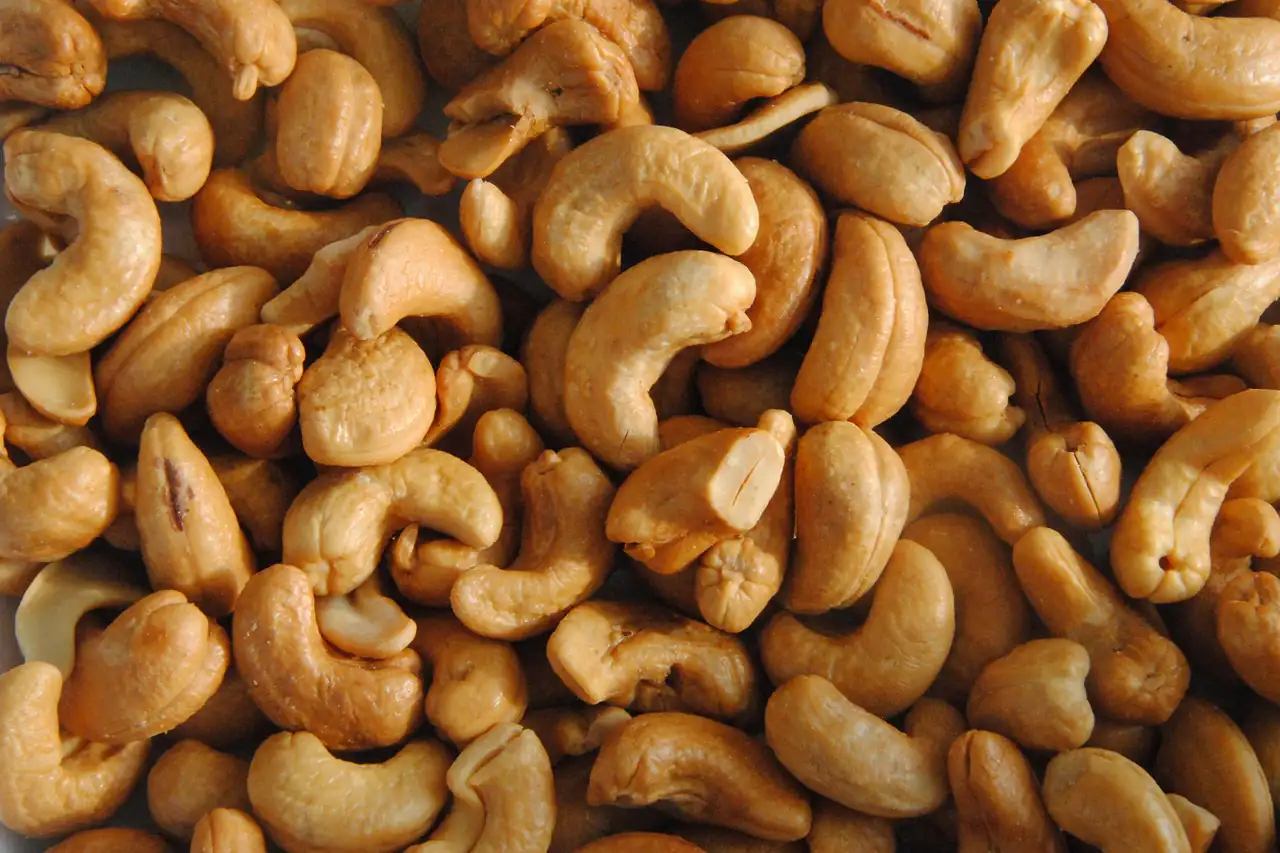
Cashew grades read like a code because they are one. The letter tells you colour and wholeness, and the number tells you the count per pound. The US Association of Food Industries spec, which many contracts quote, sets 180 at 140 to 180 kernels per pound, 210 at 180 to 210, 240 at 220 to 240, 320 at 300 to 320 and 450 at 400 to 450, with moisture held at 3% to 5% and packing in new, hermetically sealed containers with no paper liners (AFI cashew specification, 2023 (opens in a new tab)). "W" is white whole. Scorched wholes, splits, butts and pieces follow with their own letters.
| You write | What it means in practice | Where it usually goes |
|---|---|---|
| W180, W210 | Few, large wholes per pound | Gift packs, premium retail |
| W240 | The mid-size whole | Retail jars, premium mixes |
| W320 | The workhorse whole | Snacking, roasting, most mixes |
| W450 | Small wholes | Bakery, roasted snacks |
| Splits, butts, pieces | Broken kernels, graded by size | Confectionery, ingredients, cooking |
Two things go wrong. The first is that "W320" on a quote is a count, not a quality. Two lots can both count right and differ in colour, broken percentage and moisture, so put the AFI tolerances, or your own, into the order rather than the grade name alone. The second is seasonal. The APEDA cell says Indian domestic demand peaks in the August to December festival season, and that a cut in GST on cashew from 12% to 5% pushed home demand up further in 2025 (APEDA MIC, Oct 2025 (opens in a new tab)). Large wholes sell well at home in those months. If you want W180 or W240 shipped in October, book it early, and agree in writing what happens if the exporter's whole recovery falls short and they want to substitute a smaller grade.
Whose Cashew Is It?
This is the question our readers ask, and the honest answer has two halves.
For duty, it rarely matters. Shelled cashew is free into the US (HTS 0801.32.00), 0% into the UK both as a general rate and under the India preference from 15 July 2026, and 0% into Australia (USITC (opens in a new tab), UK tariff (opens in a new tab), DFAT FTA Portal (opens in a new tab)). Australia's ECTA rule for cashew is "wholly obtained", so a kernel from an African nut would not qualify for the preference, but the base rate is already 0%, so you lose nothing. That's why we tell buyers not to chase an Indian certificate of origin for cashew unless their broker asks for one. The bigger US question is the extra Section 301 duty on Indian goods from 24 July 2026, which our US trade page covers. Whether cashew is exempt, check with your customs broker before you book.
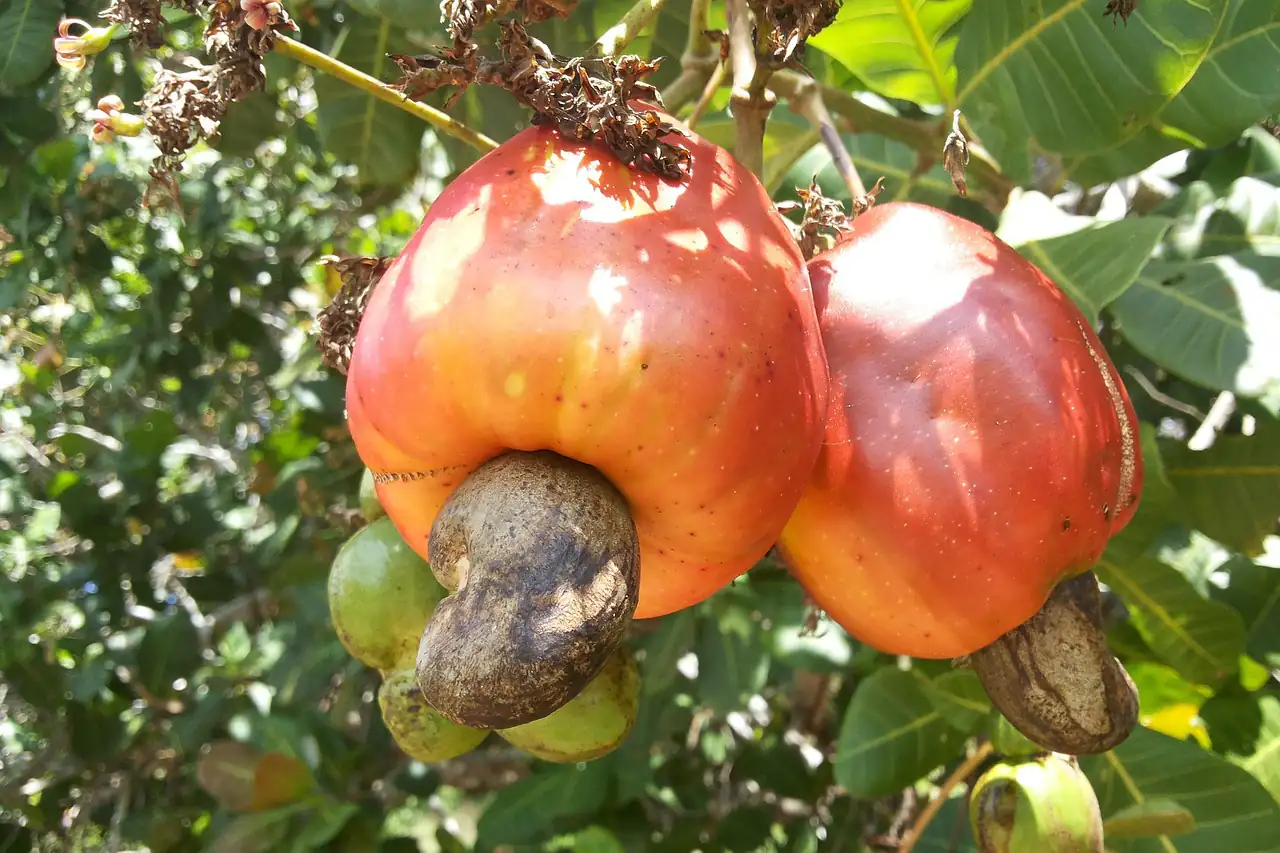
For your label, it can matter a lot. Food labels and country-of-origin marking follow non-preferential origin. The two US rulings we read both say processing after harvest, roasting, salting, canning, didn't change a nut's origin (CBP N008056 (opens in a new tab), CBP H256781 (opens in a new tab)). Shelling wasn't the question in either. So a "Product of India" line on kernels shelled in Kollam from Ivorian nuts is something to confirm, not assume. Ask the exporter in writing which origin the raw nuts in your lot came from, keep that on file, and get a broker's view or a binding ruling before printing a pack that names a country. Our rules of origin guide explains the difference between the two kinds of origin.
There's a fairness point too. An Indian sheller using African nuts isn't hiding anything. It is how the industry has worked for decades, and the same is true in Vietnam. The APEDA cell itself notes Côte d'Ivoire's growing restrictions on raw nut exports (APEDA MIC, Mar 2026 (opens in a new tab)). If African countries keep more nuts to shell at home, Indian exporters lean harder on Indian-grown nuts or pay more for imports. Either way, ask about the source of the nut, because that is where your supply risk now sits.
Where The Shellers Are
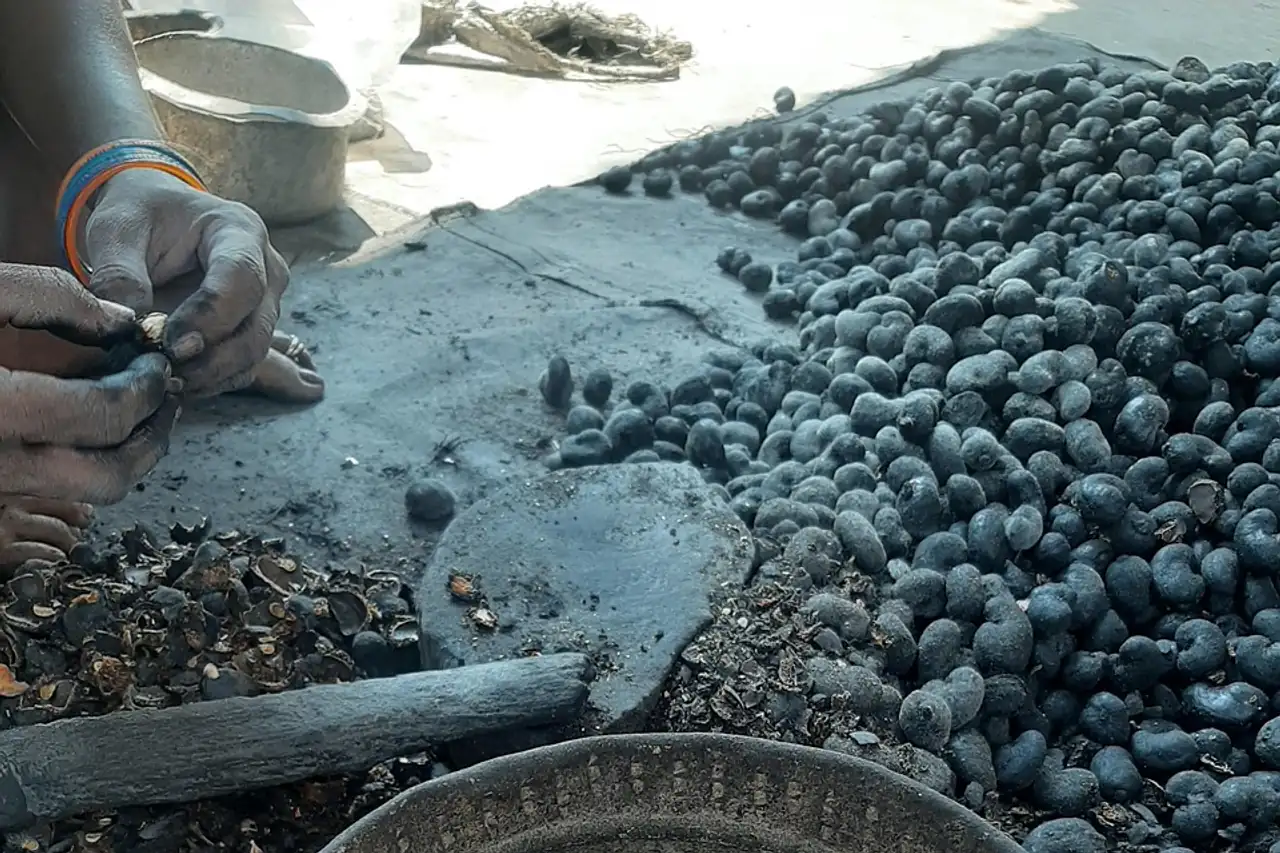
Kerala's Kollam is the historic centre of cashew processing and the home of the Cashew Export Promotion Council. Mangaluru in Karnataka is the other big name, and the APEDA cell lists Tuticorin, Mangaluru and Visakhapatnam as ports where imported raw nuts pile up (APEDA MIC, Oct 2025 (opens in a new tab)). In practice you'll deal with three kinds of seller. Integrated exporters buy raw nuts, then shell, grade and pack under one roof. Shellers sell graded kernels to exporters. Traders buy graded lots. One of the FDA refusals in our data came from a shipper in Noida, a long way from any cashew orchard, which tells you traders are in the export chain. That's normal. What matters is who controls grading and packing, because that's where moisture and breakage are decided.
Ask four questions on the first call. Do you shell yourself, and where? Which origins are in this lot? Who grades, by hand or machine, and to which spec? And can an independent inspector draw a sample from the sealed tins before loading? Our supplier questionnaire has the rest.
What To Test, And What Not To Over-Test
Because the border record is clean, don't build a spice-style test programme around cashew. Match the effort to the real failures. Salmonella hit the cashew butter, a processed product, so test any paste, roasted or flavoured line for pathogens. The hygiene refusals followed the shipper, not a lab result, so check your exporter against FDA import alerts before a US order. For plain kernels, the useful checks are grade count, broken percentage, moisture within your band, live insects (AFI allows none), and the seal on the tins. A pre-shipment inspection against the AQL sampling method you agreed catches most of this. If you need a person at the packing hall to draw and seal the sample, SourcingSync (opens in a new tab) arranges that.
For meeting exporters, IndusFood and AAHAR are the food fairs with an export side. For organic kernels, look at BIOFACH India.
Ready to act
Need hands-on help?
Checking a sheller's grading line, drawing a sealed sample before loading and confirming the raw nut origin of a lot are execution. SourcingSync does it for foreign buyers.
Back To The Balance Sheet
India's cashew table looks like a warning, but it's really a map. An industry that shells far more than it grows, and now eats most of what it shells, will sell to you when you're specific, early and clear about origin. Buyers who order "W320, whatever's available" in October get whatever's left after the festival. Buyers who write the tolerances, book ahead and ask where the nuts grew get the same kernels the Gulf has been buying for years.
More products are on India product guides, and the wider food testing picture is in food import testing.