

MOQ, Pricing and Payment Terms in India
- Updated
In November 2025 a weaver in Gujarat went looking for work on a forum for clothing startups (r/ClothingStartups, 2025 (opens in a new tab)). He had a rapier jacquard set-up, he wove viscose, and he wanted exactly the small brands that bigger mills turn away. Then, in the replies, came the catch he couldn't talk his way around. "I cannot purchase yarn for small orders, unless its already something I have in stock or work with."
That one line explains most of what first-time buyers find baffling about Indian MOQs. Here was a maker who wanted your small order, and still couldn't take it in any yarn you liked, because the minimum wasn't his. It belonged to the spinner behind him. This page follows that minimum up the chain, then walks the price ladder from listing to invoice and the payment rules that start on 1 October 2026. One caveat up front - nobody publishes MOQ or price norms for India, and we won't invent them, so every number here is one supplier's, one buyer's or the law's.
The decision in brief is in the playbook: MOQ, price and payment.
1. MOQ Is a Stack of Other People's Minimums
Think of a garment order as a pile of separate minimums, each owned by a different party. The factory passes the tallest one on to you, which is why its "500 per style" often has little to do with the factory at all.
It starts with yarn, which is where our Gujarat weaver got stuck. Stock yarns carry no real floor, but a special count or blend gets spun to order, and a small weaver can't buy a spinner's minimum to make your few hundred metres. Then the dye house - one vat, one colour, one batch size, so a custom shade waits for a full vat. Print and embroidery units charge the same screens and digitising at any quantity, and the cutting room treats every size as its own marker (industry explainer (opens in a new tab), our reading).
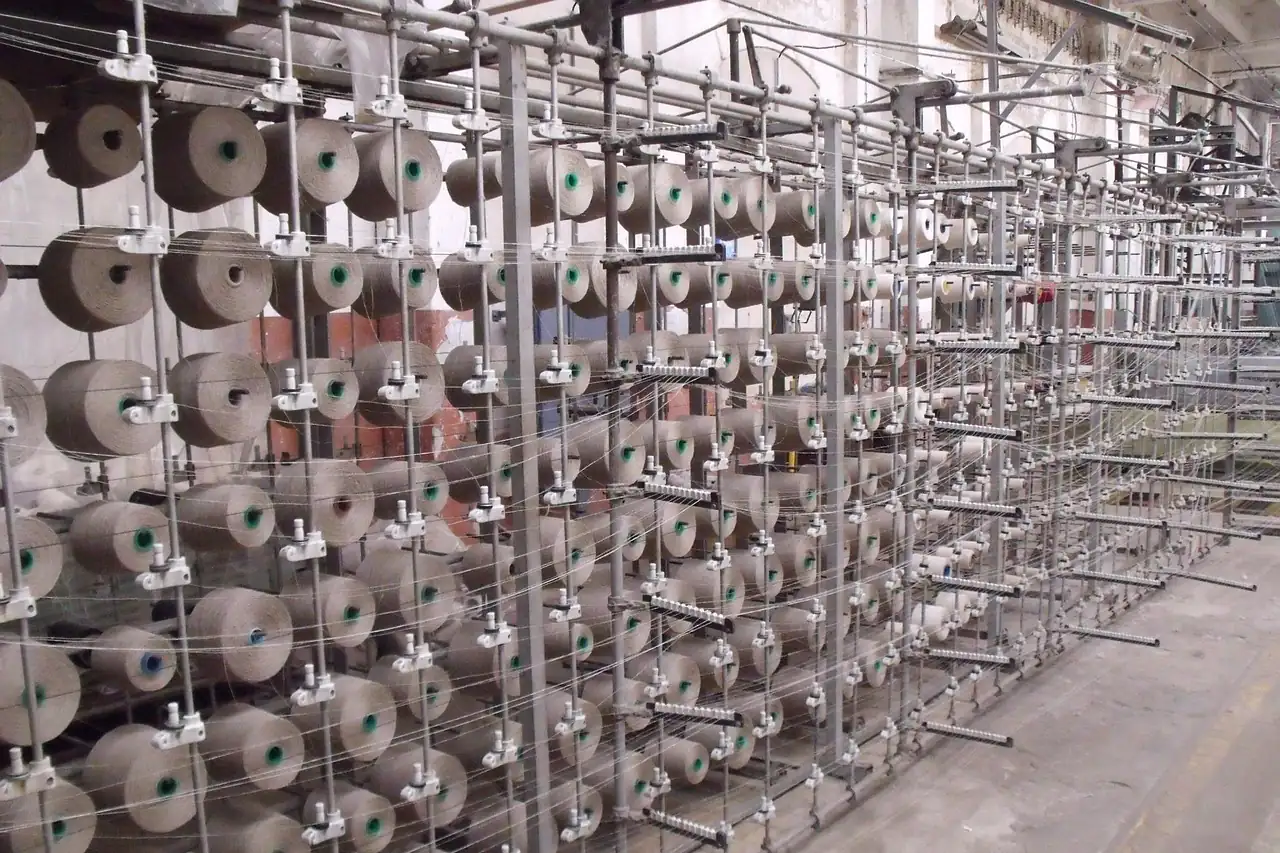
Here's the arithmetic, in variables and only as an illustration. Say a style has N colourways and M sizes, and the dye house needs D kilograms per shade. Your fabric minimum is N × D before a single garment is cut, and each of the N × M size-colour cells needs its own small run. Halve N and you halve the fabric you must commit to. Drop the two slowest sizes and you drop 2 × N cells. The factory didn't choose the floor. Its suppliers did. (The general case for clothing, beyond India, is in why finding a low-MOQ clothing manufacturer is so hard.)
Not every variation splits the same way, and that's worth knowing. A denim maker quoting 300 pieces per style offered three or four different washes inside that one minimum (r/ClothingStartups, 2025 (opens in a new tab), supplier-stated), because a wash happens after the fabric is made and a dye colour happens before. Ask which of your variations sit upstream and which sit downstream, and spend your variety downstream.
2. Packaging Is Often the Real MOQ
Beauty and food buyers get caught here most. Moulds, printed cartons and tubes each carry their own minimum, and "those often sit higher" than the product's (r/IndiaBusiness, 2026 (opens in a new tab)). You can agree a lovely low MOQ on a cream and then find the printed tube needs several times more.
So ask for the product MOQ and the packaging MOQ in the same RFQ. The higher of the two is your real minimum, and a stock tube with a label can bring it back down. How that plays out by pack type is on private label manufacturing in India.
3. Where Small Orders Work, and Why
Some channels take small quantities without strain, because nothing upstream has to be made specially. When the mill already holds the yarn and the dye house already runs the colour, your order rides on someone else's batch. A factory's running line of its own catalogue has no set-up cost left to recover, which is why running stock can sit well below a custom order of the same item (one Tiruppur brand learned that the hard way, as told on how sourcing works in India).
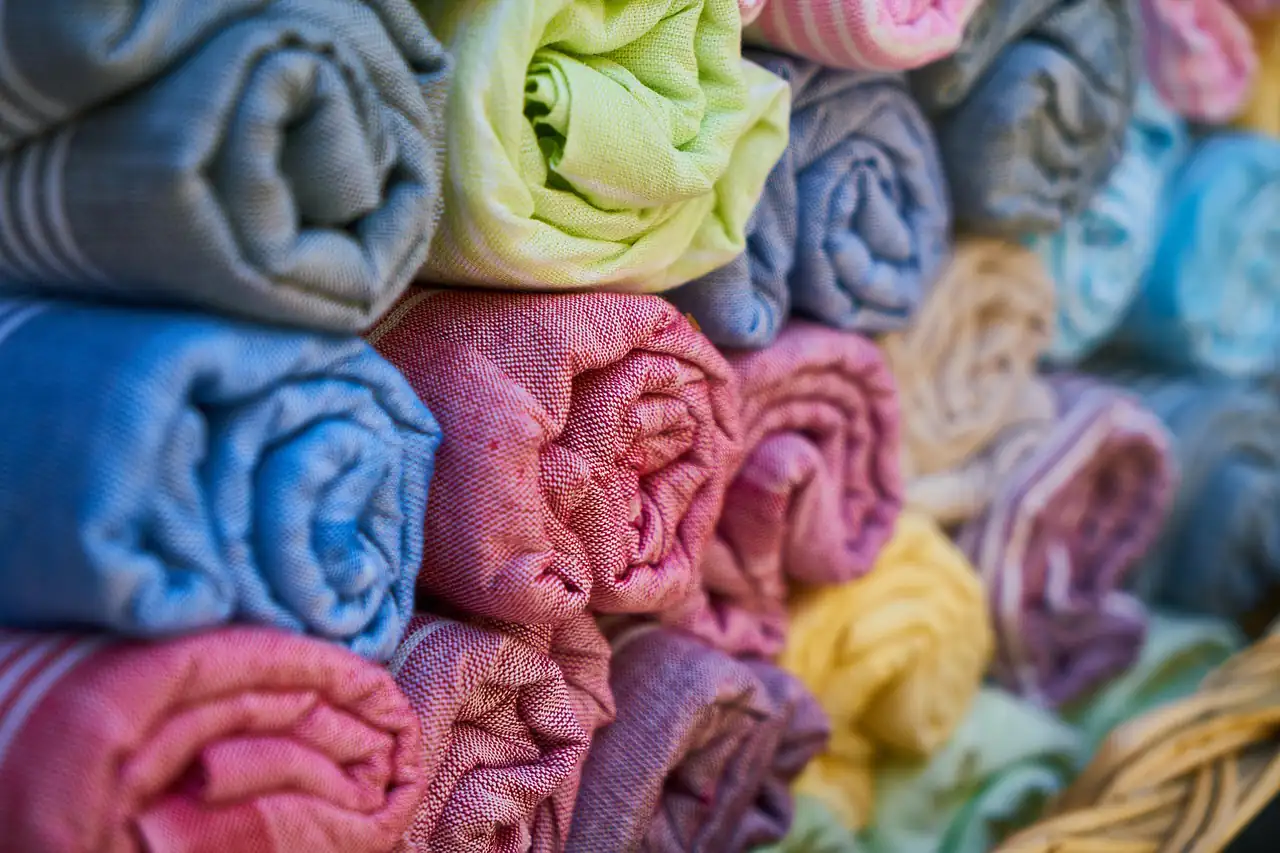
Traders and merchant exporters are the other route. They pool small buyers across several makers, you pay a margin for that, and large retailers buy this way every day. Just know which unit actually makes your goods and who answers for quality (the checks are on how to verify Indian suppliers).
Quoted minimums vary wildly even inside one cluster. In 2026 a Tiruppur unit advertised "as low as 30" pieces (r/smallbusinessindia (opens in a new tab)), a heavy-knit specialist said it works at 300 to 500 (r/streetwearstartup (opens in a new tab)), and startups still say "most have MOQs way too high" (r/ClothingStartups (opens in a new tab)). A tenfold spread for the same product tells you there's no norm to anchor on, so anchor on the drivers instead.
And is India cheaper at a few hundred units? Honestly, often not. UK importers on trade forums say simple items cost less bought at home at that size once freight, duty and your own time are counted. New Zealand buyers have a related problem, since NZ-sized quantities are unfamiliar to many Indian suppliers used to large export customers. A polite, precise RFQ that names the quantity and the reason for it does far better than a hopeful one.
4. How a Price Climbs, Rung by Rung
An Indian price rarely arrives once. It arrives in steps, and each step has a question that closes it (buyers on trade forums, 2019 to 2026, report every one).
The listed price on a directory is often stale or set low to pull an enquiry, so ask whether it's current, and for what quantity and Incoterm. The quoted price is the first real number, and the question there is whether it includes the export rebate, packaging and documentation, and what's left out. Add your label, artwork or a modified spec and the quote rises to cover set-ups, which is the rung first-timers question least. Ask what the unbranded running-line version costs and what exactly the premium buys.

The last rung is the one that hurts. New charges turn up after the order or the deposit, or as an "export packaging" line at the end (r/procurement, 2026 (opens in a new tab)). Some of it is fair, since sampling lots and bulk lots differ, but you close it before the deposit with one sentence in writing - "this is the all-inclusive price to the named place". The RFQ lines that set this up are in Stage 5 of how to source.
5. What's Actually Inside an Export Quote
An Incoterm without a place is unfinished. "FOB" alone doesn't say which port, and the gap between Nhava Sheva and an inland container depot can be a truck ride and a customs step. Insist on the term, the edition (Incoterms 2020) and the named place on the quote itself. Why FOB and FCA suit India and EXW doesn't is on exporting from India.
A genuine export invoice shows no Indian GST. The exporter either pays the tax and claims a refund or, more commonly, files a Letter of Undertaking and ships without charging it (GST export guide (opens in a new tab)). A tax line on your invoice is a question to ask, not a cost to pay.
The rebates are the quiet part. India has export duty-remission schemes that refund taxes built into an exporter's costs, and many exporters price your goods assuming they'll get one. If the scheme changes then that price is exposed, so ask your supplier whether the price assumes one and get the answer on the quote.
6. Who Pays for Samples
Three arrangements cover almost every case buyers and exporters describe (trade forums, 2023 to 2026). Prepaid samples are the default with a new buyer, because exporters have been burned by sample-collectors who never order. Experienced exporters often send free samples and charge only the courier once an enquiry looks serious (r/exportersindia, 2026 (opens in a new tab)). And sometimes the sample cost is credited against the bulk order, so ask.
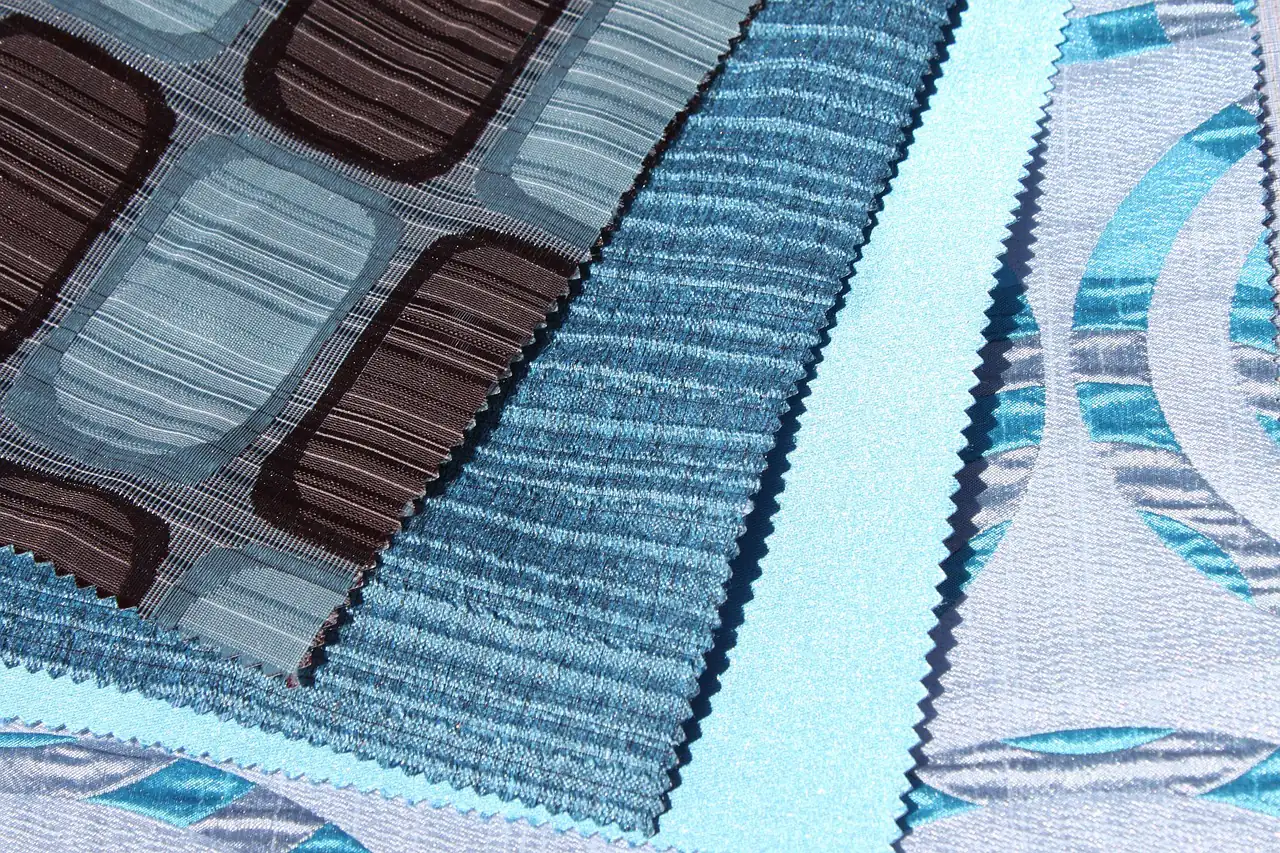
Buyers complain that makers "profit on samples" (r/ClothingStartups, 2025 (opens in a new tab)). We don't buy it. A sample carries a pattern, a strike-off and a set-up, and "you are paying for setup not just the garment," as one production agent put it (r/streetwearstartup, 2025 (opens in a new tab)). The saving is in the count, not the price, so sample fewer styles with more care. The sample protocol itself is in Stage 6 of how to source.
7. Why Indian Exporters Ask to Be Paid the Way They Do
The order of preference is fixed - advance, then a letter of credit, then documents against payment, then open account (exporters on trade forums, 2026). Where you land on that ladder depends mostly on the exporter's history with foreign buyers, and that history isn't great. "Some of our older wholesale clients (mostly in Europe) have either delayed payments or haven't paid what they owe," an Indian exporter wrote in 2025 (r/streetwearstartup (opens in a new tab)). Another now asks "70/80 percent prepaid and rest after dispatch" of everyone (r/streetwearstartup, 2025 (opens in a new tab)).
Who you buy from matters as much. A maker owns the machines and often holds the fabric, so it can sometimes carry you. A merchant exporter owns neither and buys finished goods from makers who want cash on delivery, so your advance is literally the working capital that buys your goods (exporters on trade forums, 2023 to 2025). Once you know which one you're dealing with, the terms stop looking arbitrary.
The working compromise is documents against payment under ICC URC 522 (ICC (opens in a new tab)). A small exporter that won't ship on open account, facing a buyer who won't open a letter of credit, will usually settle on D/P, where the exporter's bank holds the shipping documents until your bank pays. Open account, when you get it, usually has an ECGC credit limit on your company behind it. The mechanics of every method are in how to pay an overseas supplier safely, and the platform traps (Trade Assurance, IndiaMART, PayPal returns and the fee-escalation scam) are in the ecommerce blunders post.
8. India's Export Payment Rules From 1 October 2026
The RBI's Foreign Exchange Management (Export of Goods and Services) Regulations 2026, FEMA 23(R)/2026-RB, were issued on 13 January 2026 and take effect on 1 October 2026 (RBI (opens in a new tab), read 24 September 2026). They bind the exporter and its bank, not you. But they set the edges of what the exporter may agree to, and a few clauses change your negotiation.
The big one is the realisation window. The exporter must receive the full export value within 15 months of shipment, or 18 months if invoiced in rupees (Reg. 5), so any credit term you ask for has to fit inside that window, delays included. The period was 9 months until a November 2025 amendment (EY alert, Dec 2025 (opens in a new tab)), so the direction of travel is looser, not tighter. Rupee invoicing buys the exporter extra time, which can make a longer term possible, but your own bank's conversion cost is what that flexibility costs you.
Advances must come through the same bank that will receive the export proceeds, and a change needs both banks notified (Reg. 10). Confirm the receiving bank before you pay a deposit, and expect resistance to a switch mid-order. Paying from a group company or a financier is allowed when the exporter's bank is satisfied the deal is genuine (Reg. 8), which means possible, not automatic, so tell the exporter early. And if you also sell to your supplier, the bank may let the two of you net payables against receivables (Reg. 7).
One clause explains a lot of stubbornness. An exporter with proceeds unrealised more than a year past due may export further only against full advance or an irrevocable LC (Reg. 13). So a supplier that other buyers have paid late may genuinely be unable to offer you anything else. That's the rule talking, not distrust of you. This is our paraphrase, so take Indian legal advice on any clause you rely on.
9. Credit Limits and ECGC
An Indian exporter that insures its receivables does it with ECGC, the state export credit insurer, which sets credit limits per overseas buyer (ECGC brochure, Jul 2026 (opens in a new tab)). When an exporter says "our insurer won't cover you", it means ECGC holds no limit on your company yet.
You can help that along. Offer your audited accounts and trade references, and the limit tends to come faster than any argument about terms would get you.
10. Writing the Payment Clause
A good clause names each payment and the event that releases it - PO signature, pre-production sample approval, a passed pre-shipment inspection, the bill of lading date. It writes the receiving bank and account name into the PO, which Regulation 10 says shouldn't change mid-order anyway. And it says any change to bank details is valid only after a phone call to a number you already held.
Then close the price. State the Incoterm, the named place, the rebate assumption and the words "no further charges", and say who carries a freight surcharge that appears after the PO. In 2026 Gulf-conflict surcharges reached buyers as mid-contract letters (buyers and logistics voices on trade forums, 2026), and whoever the clause is silent about usually ends up paying.
Ready to act
Need hands-on help?
Want payments released only when milestones are met? SourcingSync runs that for you.
Back to the Gujarat Weaver
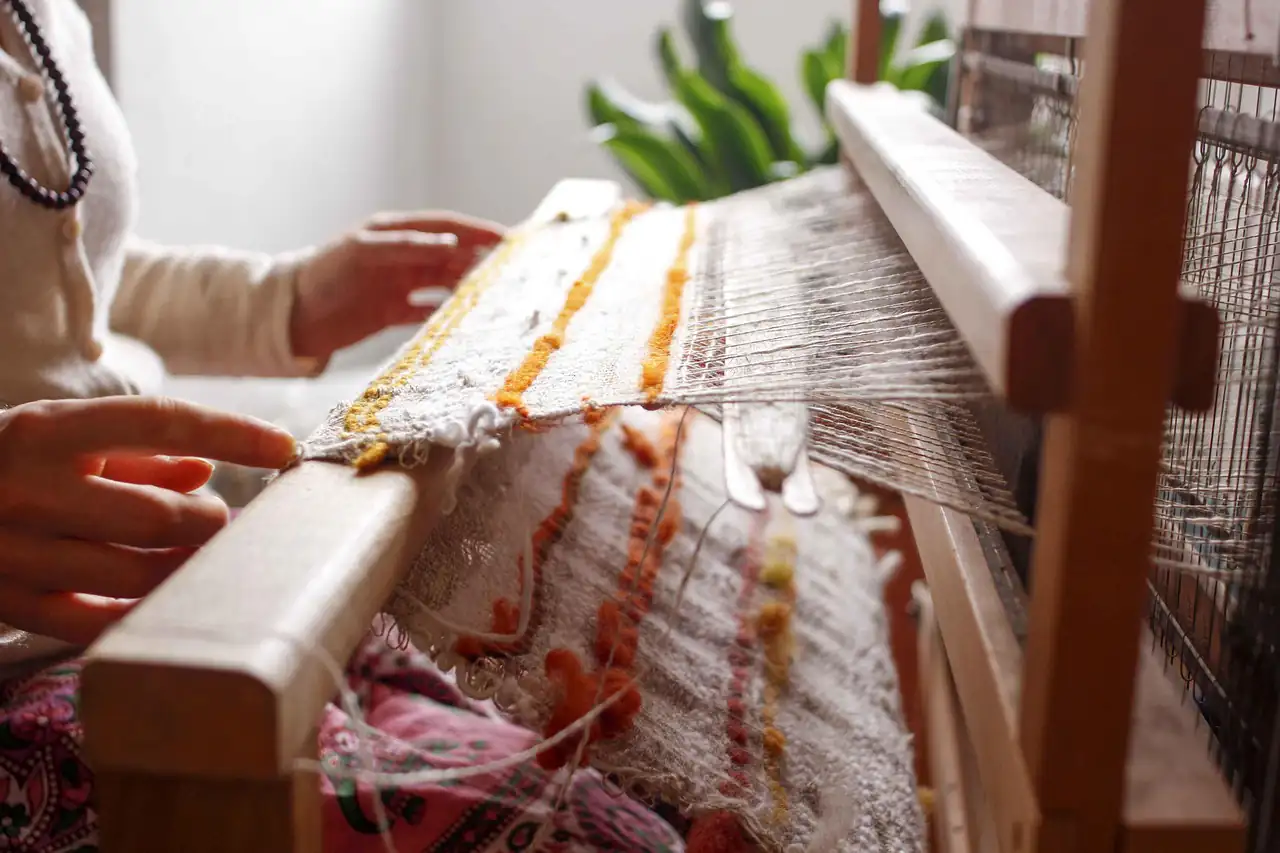
So how do you get that weaver to make your fabric? You design around what's already on his shelf. Ask which yarns he stocks and works with, pick your fabric from those, and take your variety in weave pattern, which his jacquard can change without a new yarn order, rather than in a custom blend or a special shade. The same move works on every rung of this page - find which minimum belongs to someone upstream, and stop asking the maker to break it.
Ask for the driver behind every number, the MOQ, the price and the terms alike, and the number usually moves. Ask for the number alone, and you'll get "500 per style" and a shrug.
What We Don't Know Yet
Category MOQ, sampling and lead-time norms don't exist in any source we've found, and a supplier's quote is never a norm. And the Cotton Association of India moved its 2025-26 crop estimate across four releases (CAI (opens in a new tab)), so how the new season shapes knitwear prices is still open.
Next: Private label manufacturing in India → · Risks of sourcing from India →