

Agartala Bamboo and Cane Cluster: A Designated Export Town Without an Export Terminal
- Updated
In February 2020 Tripura announced its first lot of bamboo water bottles "ready to be exported". There were 2,000 of them, made by local artisans in cooperative societies, and they were going to the Khadi and Village Industries Commission in New Delhi (EastMojo, 12 Feb 2020 (opens in a new tab)). In other words, the "export" went to India's own capital.
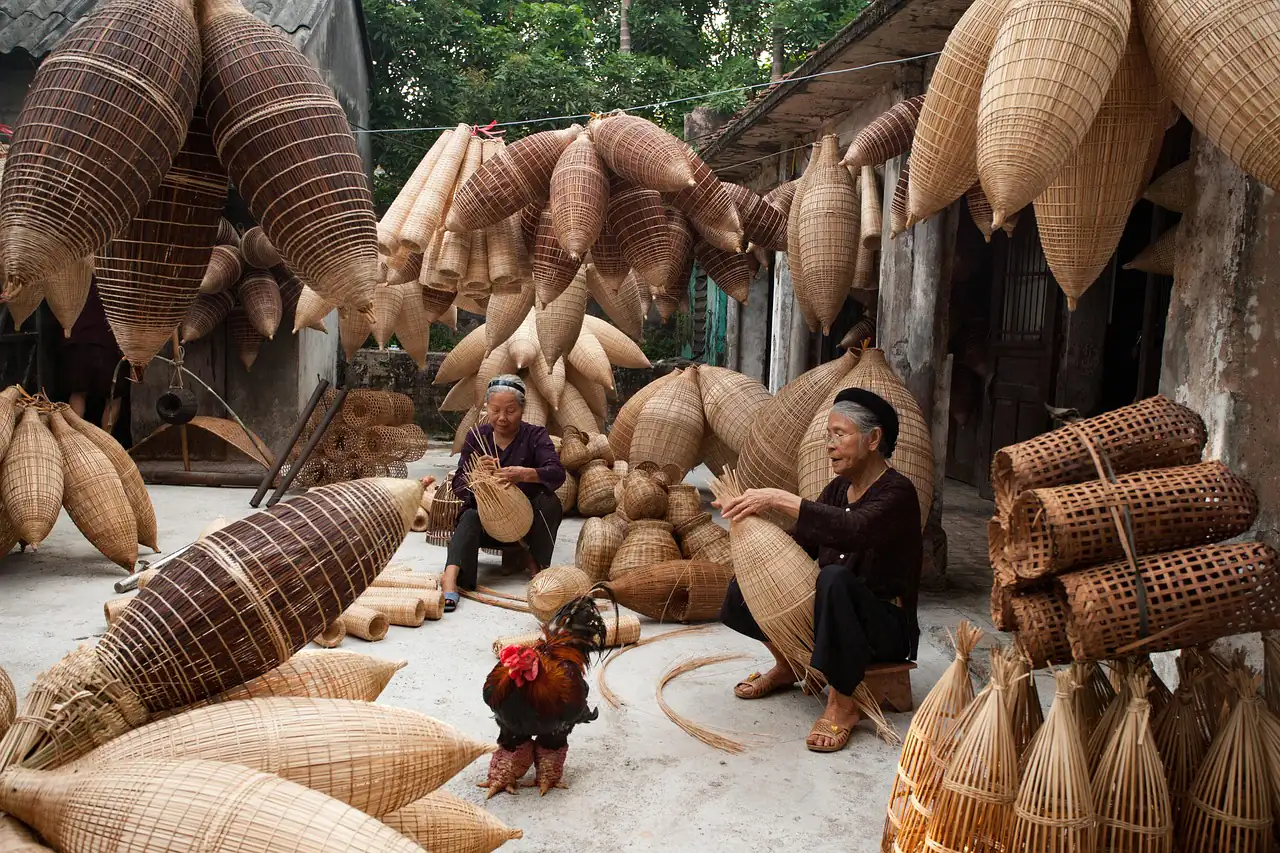
That's not a joke at Tripura's expense. It's the most honest picture we have of Agartala as a source. The government designates Agartala as a Town of Export Excellence for bamboo, cane and other handicrafts (DGFT, Appendix 1B (opens in a new tab)), the only Indian town with that designation for bamboo and cane. The skill and the material are there. The export machinery mostly isn't. This short page covers what that means for a buyer outside India, and the biosecurity rules that matter more for cane than for almost any other craft.
What Agartala Means For A Buyer
Our reading is that Agartala is a place to find makers and products, not a place that ships to you directly. Its baskets, mats, trays and lampshades are likely to reach a foreign buyer through an exporter or consolidator in Kolkata or the Delhi region, who buys from Tripura's artisans and cooperatives and handles the export paperwork. That's a normal arrangement, and a fair one if the maker is credited and paid properly. Ask who made the goods and where, and ask to see the maker if you can.
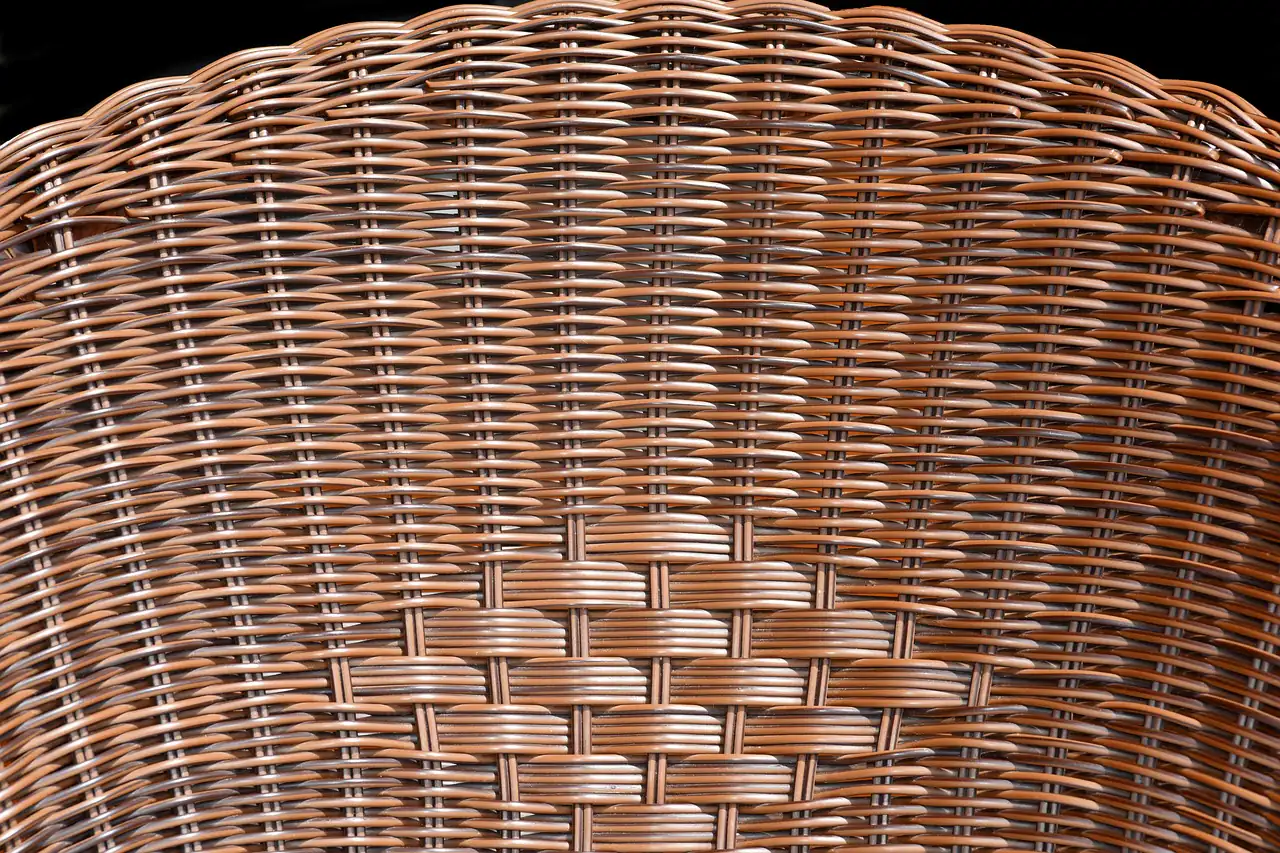
The practical consequences are simple. Lead times include a long domestic leg. Quality varies between villages and cooperatives, so set one approved sample as the standard. And the exporter, not the artisan, will usually hold the documents your border asks for. If you want someone to find Tripura makers, place the order through a proper exporter and check the goods before they're packed, SourcingSync (opens in a new tab) does that work.
Biosecurity Decides Whether It Clears
For cane and bamboo, the border is the real test. Plant material can carry insects and fungi, so several of our priority markets inspect it closely.
Australia sets import conditions for bamboo, cane and rattan goods in its BICON database (Department of Agriculture (opens in a new tab)), and conditions can depend on each component, such as raw cane, a lacquered finish or a wooden base. A vendor serving Australian importers warned, in our forum research, that missing documents lead to re-export or destruction, not just delay. Look up your exact product in BICON before you order, and check it with your customs broker. The wider Australian picture, including the duty-free route, is on India to Australia.
New Zealand has its own import health standards. We haven't verified the current rules for bamboo and cane, so ask your broker before you commit, and see India to New Zealand.
Everywhere, wooden parts and packaging bring timber rules into play. Pallets and crates need treatment marks, as ISPM 15 explains, and some markets ask about the legality of wood inputs, covered on timber legality.
Write the treatment you need into the order (for example fumigation or heat treatment, with a certificate), because the artisan won't know what your border wants unless you say so.
Where To Meet Makers
North-eastern crafts show at the IHGF Delhi Fair, the handicrafts export council's show at Greater Noida, which runs 13 to 17 October 2026. It's a far easier first meeting than a trip to Tripura, and exporters there can tell you whether they source from Agartala.