

Aligarh Lock and Hardware Cluster: Locks, Scrap Metal and a Missing Test Lab
- Updated
In August 2025 a government task force sat down with Aligarh's lock makers and exporters. Near the top of their list of asks was a testing laboratory certified by India's standards bureau, so they could stop sending products away for "costly and time-consuming testing in Chandigarh or Faridabad" (Invest UP, 22 Aug 2025 (opens in a new tab)). The town that makes most of India's locks, by its reputation, had no certified test lab of its own.
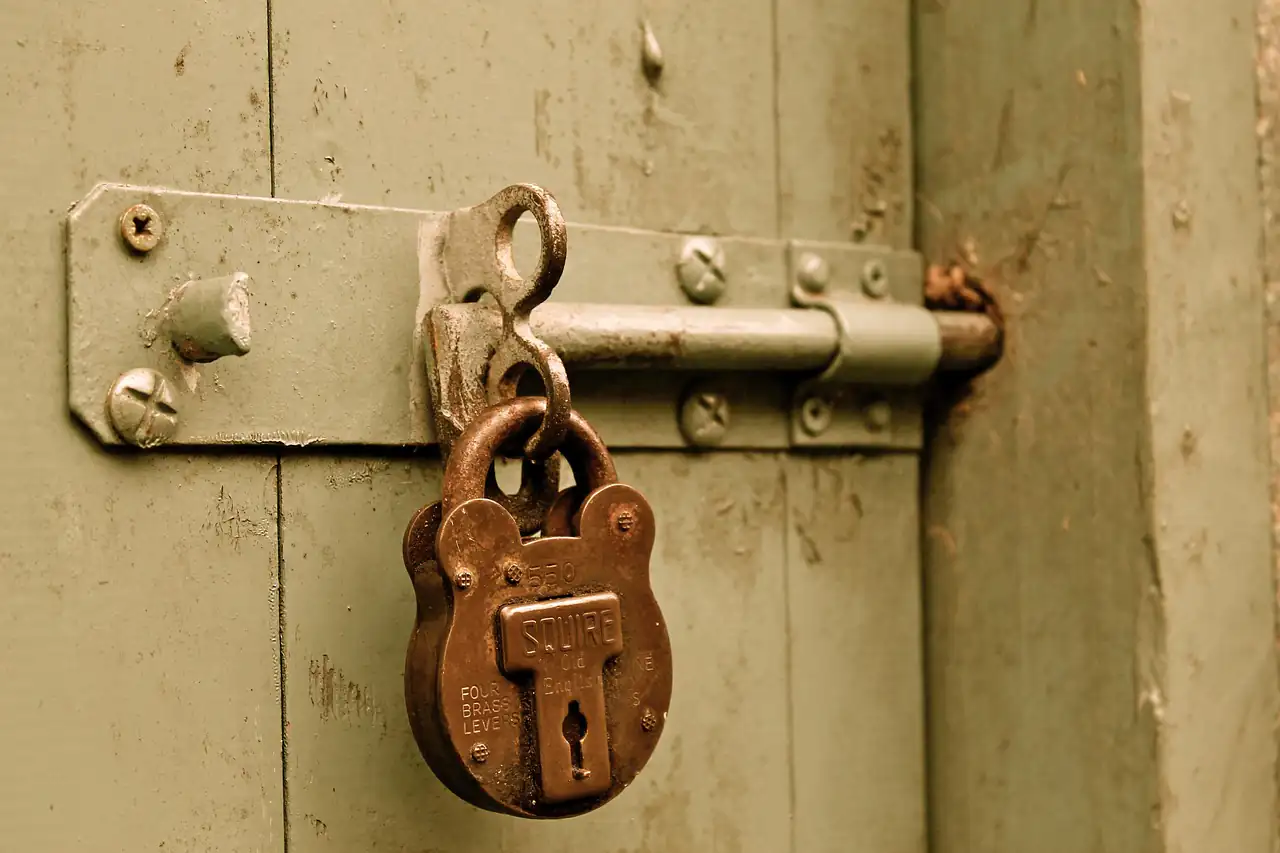
That's the thread of this short page. Aligarh is a real hardware town, but it's a town of workshops more than of export compliance departments, and a foreign buyer has to bring the testing discipline. Below is what the state lists for the district, how the locks are made, the one duty question that can change the landed cost, and how goods reach a port.
What The Town Makes, And How
Aligarh is not on the national list of Towns of Export Excellence. Its official recognition is the state's district product listing, which names it for locks, metal craft and fasteners, and describes its locks as "immensely popular all over the country" (UP ODOP, Aligarh (opens in a new tab)). That last phrase matters. Aligarh grew up selling to India, and the domestic market is still its home.
The often-quoted size figures come from journalism, not from an official count. One report puts the town at about 6,000 registered lock-making units making 75% of India's locks, with around 200,000 artisans and lock work done in some 3,000 homes (Mongabay India, 2024 (opens in a new tab), Reported). Take the scale as indicative. Take the structure seriously. A lock may pass through a casting shop, a home where parts are filed and assembled, and a finishing unit before an exporter packs it.
What That Means For Your Order
Scrap inputs and home workshops aren't a red flag. Recycled metal is a normal and efficient input, and the town's locks already sell all over India. But they change what you have to specify.
Name the material. Write the alloy or steel grade for the body, shackle and key into the order, and ask for a material test on the first production lot. With mixed scrap, composition is the thing most likely to drift. If you sell into Europe or the UK, ask your test lab which chemical limits apply to metal parts that people handle.
Define the performance test. Security locks are sold against performance grades in many markets. Decide which standard your lock must meet, and have it tested by an accredited lab, since the town itself lacks one. The inspection method is on quality control in India.
Check the firm. Run the free public checks on how to verify Indian suppliers, and ask which units cast, assemble and finish your order. If you want someone in Aligarh to visit the units and draw test samples from production, SourcingSync (opens in a new tab) does that.
The Duty Question For US Buyers
If you import into the US, the metal matters as much as the price. Some steel, aluminium and copper articles pay Section 232 metal duties instead of the normal India rate, and which locks and fittings fall under which annex isn't something we've mapped line by line. Check your exact 10-digit code with your customs broker before you book. The current US position on Indian goods is on India to the US, and the wider picture for hardware is on engineering goods.
Getting Goods Out
We found no export terminal in Aligarh district on the official lists. Goods travel to a depot elsewhere in the Delhi region or western Uttar Pradesh, then on to the western ports. In a straight line Aligarh is 1,017 km from Mundra and 1,122 km from Nhava Sheva (our great-circle calculation). Quote on FCA at the depot your supplier names, and fly samples from Delhi.
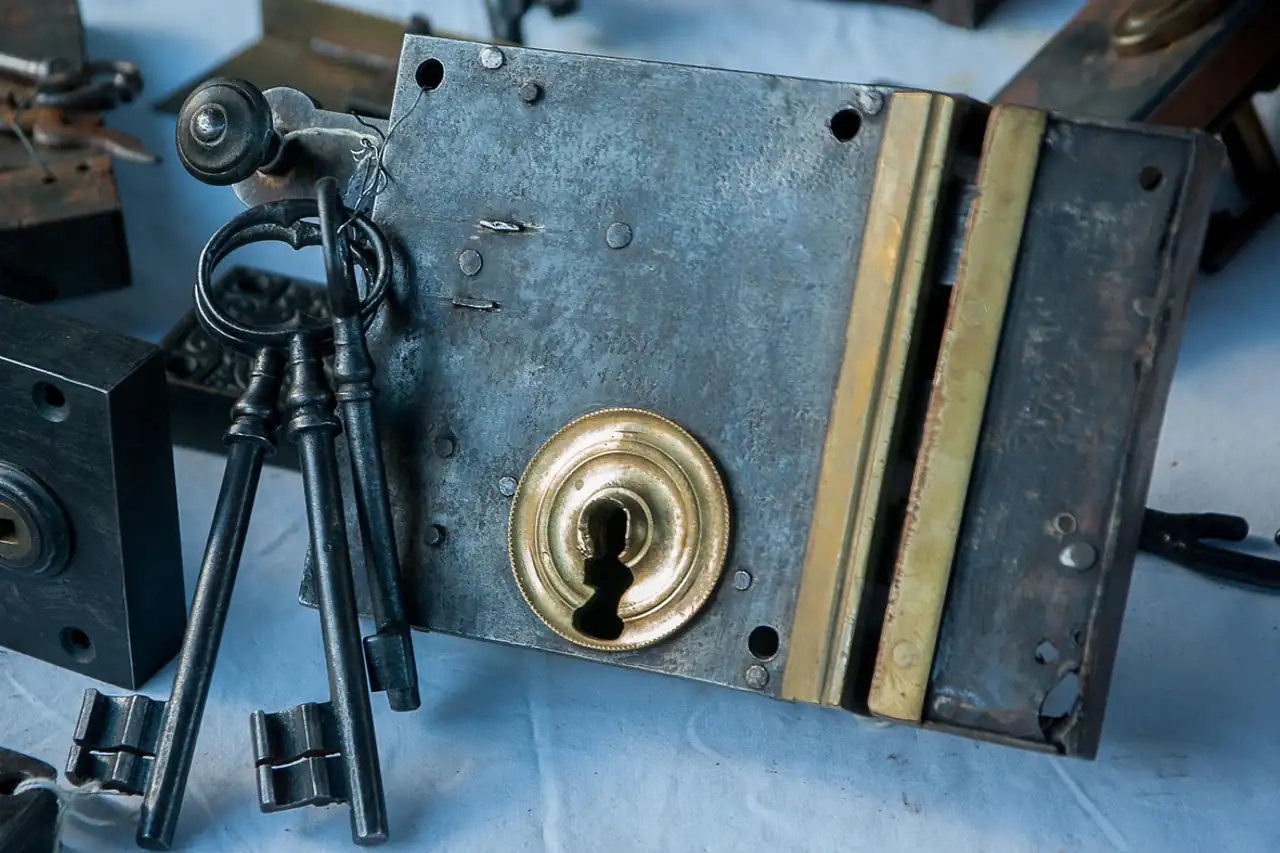
The fairs that fit Aligarh's products are Delhi's IHGF Delhi Fair for decorative metal craft, or through the engineering export council's India Engineering Sourcing Show for fasteners, whose next dates aren't announced.