

Jalandhar Sports Goods and Hand Tools Cluster: What It Makes That Meerut Does Not
- Updated
In 2014 the manager of FC Sondhi & Co, a Jalandhar maker of cricket bats and gloves that sent 90% of its output abroad, told a reporter something no town wants said about it. "I know of clients who land in Delhi and prefer to go and do business in Meerut than travel so long to come here" (Outlook Business, 29 Mar 2014 (opens in a new tab), Reported). The same report described broken roads to the industrial areas, a container terminal standing idle, rising wages, and more than 100 units that had moved to Himachal Pradesh in five years.
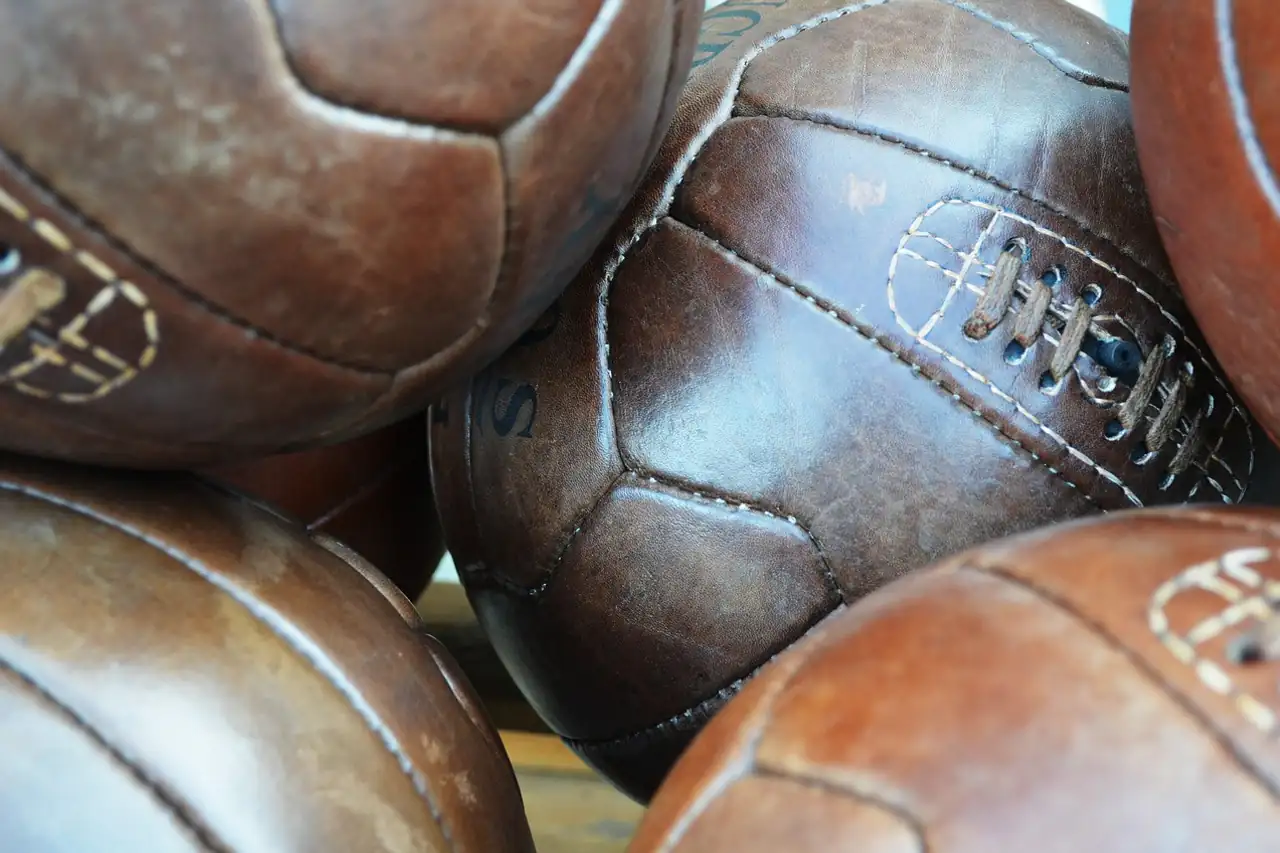
Jalandhar is still there, and it still makes things Meerut doesn't. It's the other half of India's sports goods base and one of its named hand tools towns, and both trades look different from the outside than from the trade data. This page tells a buyer outside India what Jalandhar makes today, how it compares with Meerut, where Pakistan has taken the business, and how goods leave Punjab. One caveat up front: Jalandhar has no official export designation for sports goods, and its size figures are old or second-hand, so we use them only where they tell you something.
Jalandhar or Meerut?
Both towns make cricket and hockey goods, and plenty of buyers treat them as one. They're not. Here's how the evidence splits.
| Jalandhar | Meerut | |
|---|---|---|
| Official listing | None for sports goods. Named by the government as a hand tools cluster (2025) | Uttar Pradesh names sports goods as the district product |
| What the town lists | Footballs, cricket bats, hockey and cricket balls, hockey sticks, racket sports | Cricket bats, balls, protective gear, hockey sticks, shuttlecocks, boxing and athletics goods |
| The second trade | Hand tools (spanners, pliers, screwdrivers), leather, rubber goods | Mostly sports goods |
| Distance from Delhi | About 350 km by road, the complaint in 2014 | About 70 km, the reason buyers went there |
Sources: Municipal Corporation Jalandhar (opens in a new tab), PIB, Apr 2025 (opens in a new tab), UP ODOP, Meerut (opens in a new tab). Road distances are approximate.
Our reading, which is Indicative, is that Jalandhar is the better first visit for a buyer whose range spans team sports, balls and fitness goods, or who also buys tools, and Meerut for a cricket-led range where the willow is the product. The Meerut page covers willow grading, which is the cricket check that matters in both towns.
The Football Lesson
Jalandhar once stitched footballs for the world's biggest brands, and the town still says so. The trade data says where that business is now. In 2025 Pakistan supplied 37.6% of the EU's inflatable balls and China 38.5%, while India supplied 2.7%. In the US it was Pakistan 13.4% and India 0.9% (Comtrade, Verified). Sialkot, across the border, kept the hand-stitched ball trade and the combat-sports leather trade, and our forum logs find buyers placing gloves and pads there and almost never in India.
That isn't a reason to skip Jalandhar for balls. It's a reason to ask the question a ball buyer cares about: hand-stitched, machine-stitched or thermo-bonded, and in which building. A Jalandhar house quoting a match ball may stitch it, or may buy it in. Either can be a good supplier. You just need to know which you're paying for.
The Hand Tools Trade
This is the Jalandhar story most sourcing guides miss. A 2025 government factsheet on the hand and power tools sector names Jalandhar and Ludhiana as the Punjab clusters, lists the usual exports as wrenches, pliers, screwdrivers and hand saws, and puts India's hand tools exports at about US$600 million in 2025, 1.8% of the world market (PIB, 22 Apr 2025 (opens in a new tab), Verified). The same report sets a goal of a quarter of the world market by 2035, which tells you how small India is today, and how much the government wants it to grow.
The import data agrees on both counts. India supplied 6.5% of US imports of spanners and wrenches in 2025 and 6.0% of the EU's, against China's 19.7% and 47.6% (Comtrade, Verified). That's a real second source, and in the US it's within reach of China's share. Our reading is that a tool buyer looking for a non-Chinese source of forged spanners and pliers should put Jalandhar on the list next to Rajkot and Ludhiana.
For tools, the checks are metallurgical. Ask for the steel grade (chrome vanadium or carbon steel), the hardness after heat treatment, and the standard the tool is tested to, and test production pieces for hardness and torque at a lab you choose. In the US, check the HTS line with your broker, because steel tools can sit on a Section 232 derivative annex, where the metals rate applies to the full value. Engineering goods explains how.
What Fails, and What to Test
The failure we found in the official records was chemical, not mechanical. In October 2024 the UK withdrew England Hockey's wooden "QuickSticks", made in India, for excess phthalates (UK OPSS (opens in a new tab), Verified). A year earlier a toy cricket set from India was destroyed at the UK border for the same reason. The record doesn't name the maker's town, so we don't pin it on Jalandhar. The lesson applies to both towns: plastic grips, coatings and painted finishes on sticks and bats are where phthalates live, and a junior stick sold as a toy has to pass toy rules too.
So for anything with a grip, a coating or a junior size, test the plastics and paint for phthalates and lead before you ship to the UK, EU or US. The toys and sporting goods page sets out where a sports item becomes a toy in law.
Getting Goods Out
Jalandhar has no export container terminal on the lists we read. Its two CONCOR terminals, Suranussi and Phillaur, are domestic only (CONCOR terminal list, read 23 Sep 2026, Verified). The nearest export depot is ICD Dhandarikalan at Ludhiana, roughly 60 km away by road, with rail to Mundra, Pipavav and Nhava Sheva (our cluster-port map, Indicative routing). The 2014 report's idle terminal fits that picture.
Jalandhar is about 1,118 km in a straight line from Mundra (our calculation), so the inland leg is a real part of your cost and time. Quote FCA at a named depot in writing, as FCA explains, and see Mundra port for the gateway. Samples fly from Amritsar or Delhi.
On duty, sports goods and hand tools carry low rates in most of our markets, and the UK and Australia now charge Indian goods 0% with valid origin (UK Trade Tariff and DFAT, read 7 Oct 2026). The US adds the 10% Section 301 duty on Indian goods, or a 232 rate on covered steel tools. The details are on India to the UK, India to Australia and India to the US.
Meeting Makers
The sports goods export council's India Sporting Goods Fair runs 12 to 14 March 2027 at Yashobhoomi in New Delhi, and it's the one place to meet Jalandhar and Meerut makers together. For tools, we know of no dedicated fair to recommend. A visit works, and so does checking firms first through how to verify Indian suppliers.
Ready to act
Need hands-on help?
Visiting Jalandhar's sports and tool makers, checking who stitches or forges, testing hardness and coatings, and managing the leg to the Ludhiana depot is execution, not knowledge. SourcingSync does it for foreign buyers.
Back to the Buyers Who Went to Meerut
The FC Sondhi manager's clients took the shorter drive in 2014, and the trade data since then shows what a town loses when buyers stop coming. It doesn't show that Jalandhar stopped making things. It still holds most of Punjab's sports goods trade and a named place in India's hand tools industry, and a buyer who makes the longer trip finds a town with more range than its neighbour. The trick is knowing which of its trades are still strong. Hockey, cricket and forged tools are. Footballs mostly moved across the border.
For India's sports goods trade as a whole, see toys and sporting goods, and for all of India's export towns, India's manufacturing clusters.