Skip to content

SourcingFrom

Articles and guides

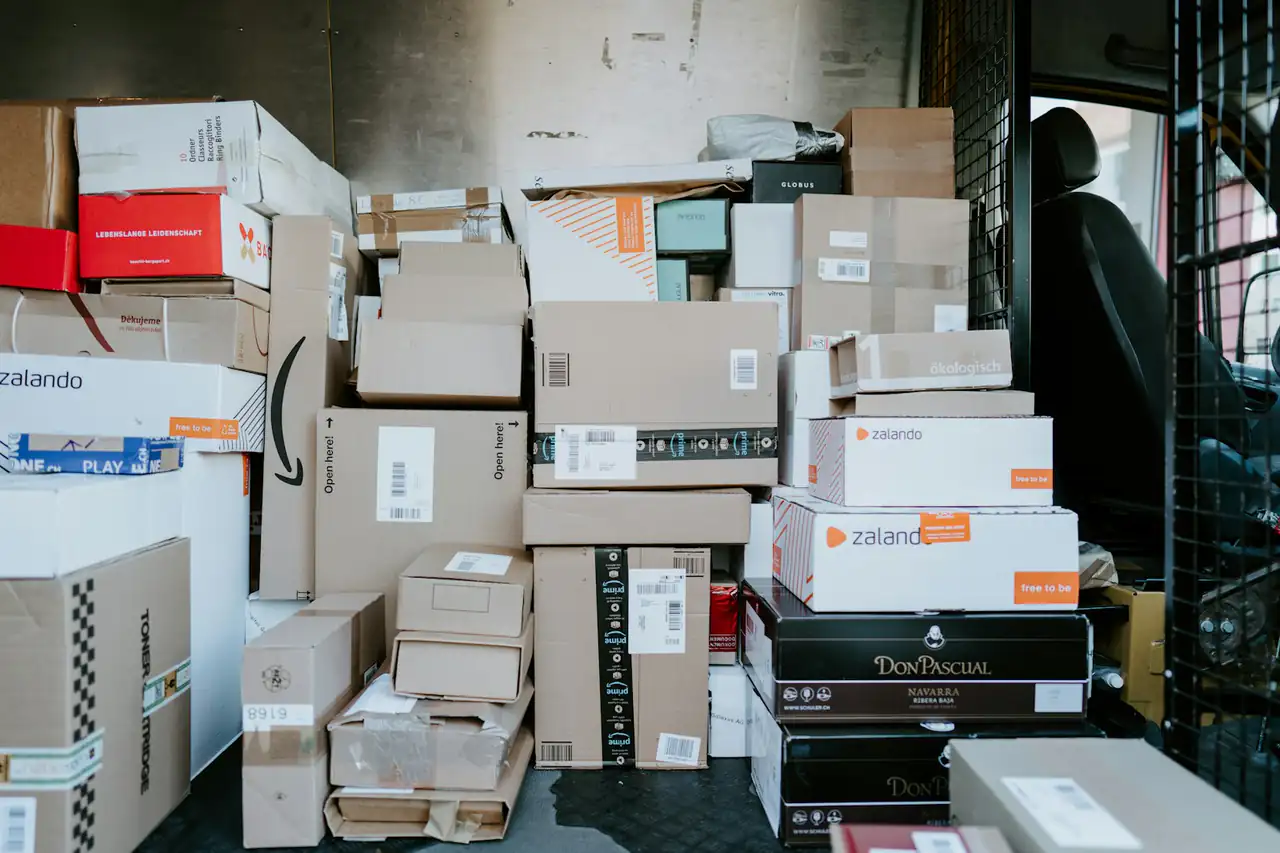
Shipping Indian Factory Goods to Amazon FBA

This guide covers the plumbing between an Indian factory and an Amazon fulfilment centre: who is the importer, who preps and labels, how cartons must be packed and which route the goods take. Amazon is never your importer, and in the US prep is now the seller's job, so the factory needs a clear spec.
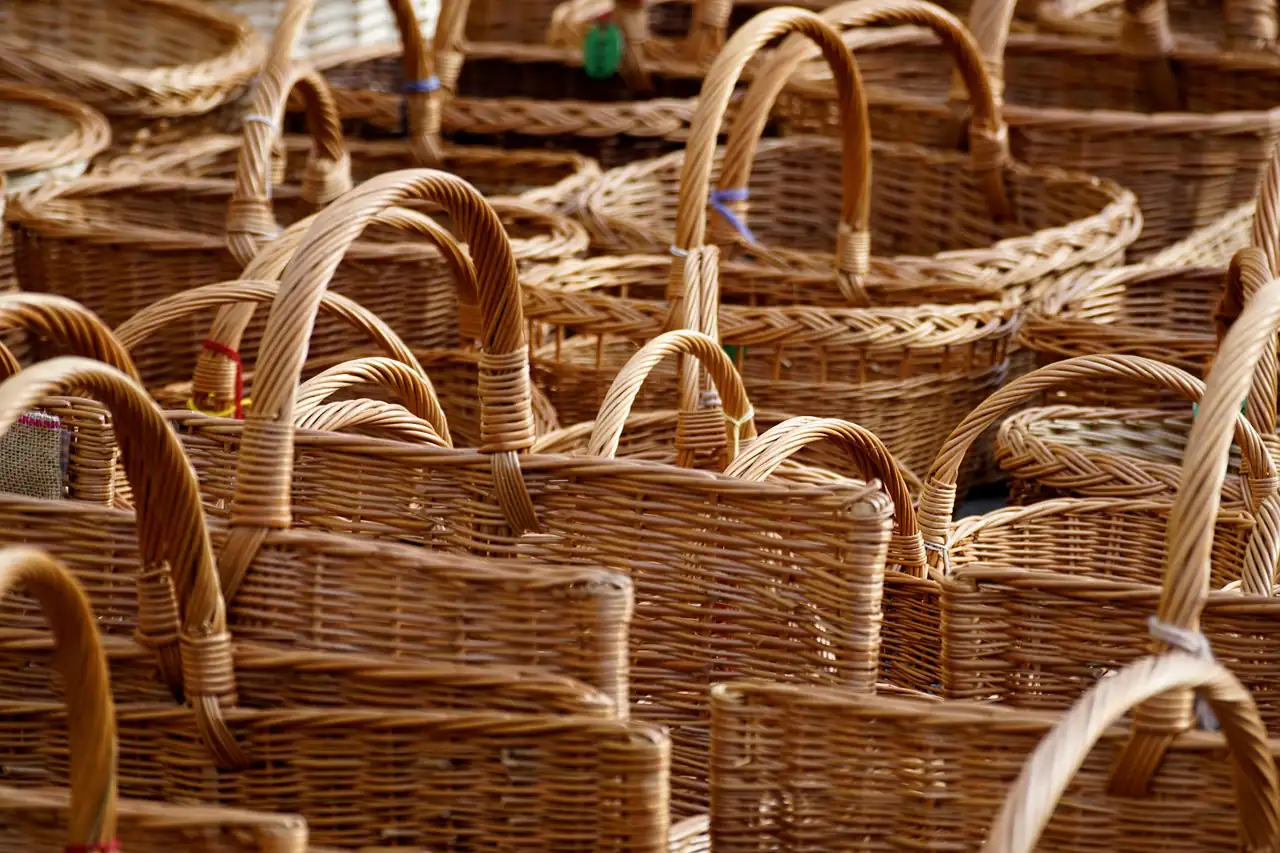
Importing Wood, Cane and Natural-Fibre Goods Into Australia and NZ

Australia and New Zealand treat wooden, cane, bamboo and natural-fibre goods as a plant risk, sorted by material rather than product. This guide walks an Indian natural-goods order from workshop to wharf: cleaning, treatment, the storage window, packaging and arrival. It also shows how to check the treatment provider and read BICON and the MPI standard.

EU CBAM for Importers: Steel, Aluminium and Fasteners

How the EU Carbon Border Adjustment Mechanism, in its definitive phase since 1 January 2026, affects a buyer of Indian steel, aluminium and fasteners. It covers the three tests for whether you are in, the 2027 payment calendar, and the emissions data to ask your Indian supplier for.

Children's Product Safety Rules for Importers: US, UK, EU, Australia

This guide sets out the children's product safety rules in the US, EU, UK and Australia, then shows what actually fails on Indian-made children's goods. The recalls are mostly design and trim faults such as cords, poppers and sleepwear flammability, which are cheap to fix at the pattern stage.

Choosing a Freight Forwarder: Your Own or the Supplier's

Whether to let your Indian supplier choose the forwarder or bring your own depends on shipment size, frequency and value. The supplier's forwarder is fine for small, simple shipments with every charge quoted in writing. For full containers or regular orders, buy FOB or FCA with your own forwarder and compare quotes in five blocks.

FDA Import Alerts: How to Check a Supplier Before You Ship

An FDA import alert lets the FDA hold a firm's or product's shipments at the US border without examining them, so the importer must prove the problem does not apply. This guide explains red, green and country-wide lists, which alerts matter most for Indian goods, and a ten-minute routine to check a supplier before you ship.

Forced Labour and Modern Slavery Checks for Importers

What the US, EU, UK and Australian forced-labour and modern slavery rules ask of a small importer buying from India. It shows where the documented risks sit in Indian supply chains, what a SMETA audit does and does not prove, and a set of fair checks to run with suppliers.

Importer of Record: Who Controls Your Customs Declaration

The importer of record is the party customs holds responsible for an entry, and it controls the classification, the value, any preference claim, refunds and liability. This guide shows how that control slips to an Indian supplier or its courier, what changes by country, and four habits to take it back.

Your Supplier Kept Your Deposit: Recovery Routes That Work

What to do when an overseas supplier, often an Indian one, has your deposit and has stopped answering. It sets out the first 48 hours by payment method, a ladder of recovery routes from a dated demand to the DGFT complaint and a visit, and why suing at home may not help.

China+1: How to Test Whether a Second Country Can Make Your Product

China+1 works product by product, not country by country. This guide gives seven tests that start with your product and market: capability in your own customs data, input sources, duty on both sides, origin rules, lead time by leg, real landed cost and a pilot order. India is the worked example.

Cotton Sourcing Explained: Fibre Origin, Organic Claims and Traceability

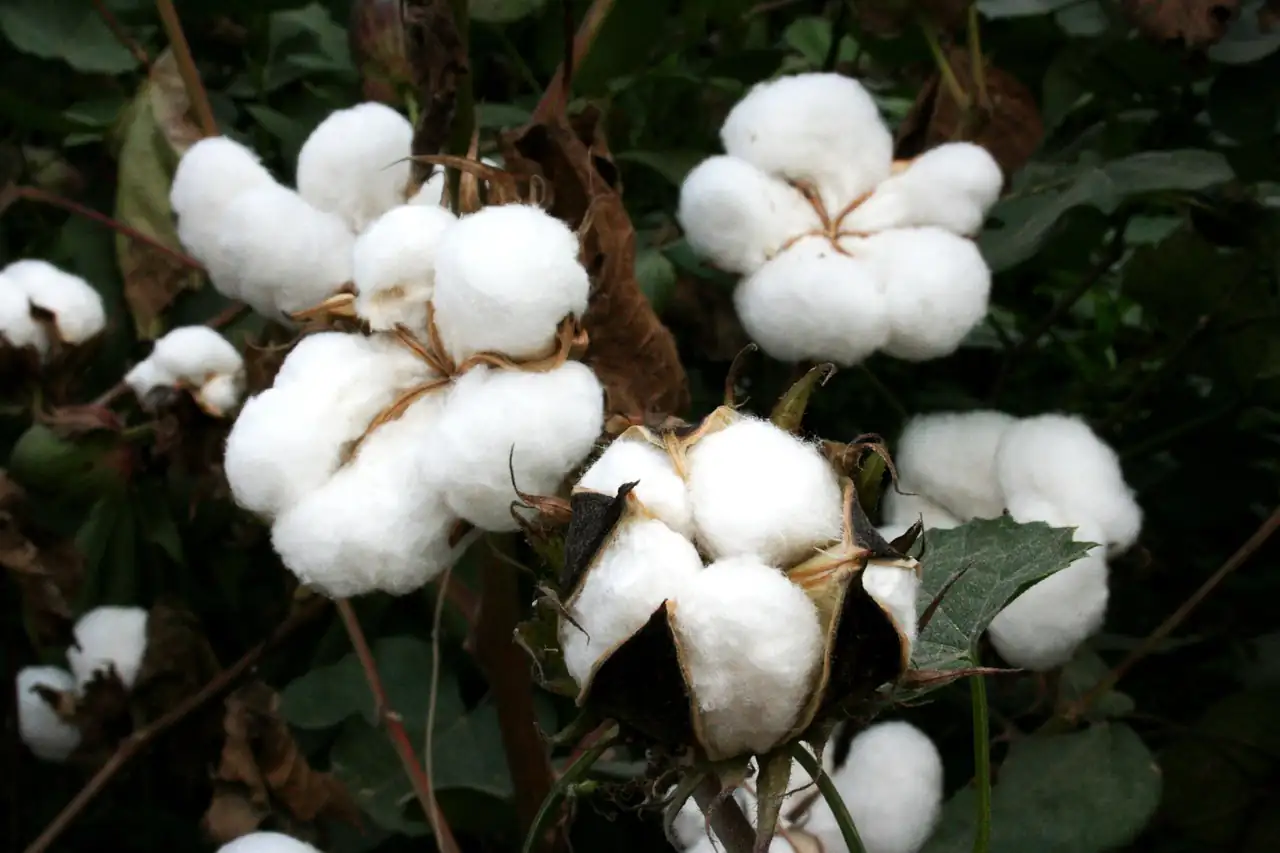
Where your cotton was grown now decides whether goods clear US customs and, from December 2027, whether they can be sold in the EU. This guide explains fibre origin, what organic certificates prove and where they break, the four tools that trace cotton, and how to ask an Indian maker to prove fibre origin.

Paid Full Duty by Mistake? How to Claim FTA Duty Back

How to claim back duty you paid when a trade agreement or GSP rate should have applied, or a tariff was struck down, for Indian goods into Australia, New Zealand, the UK, the US and the EU. It covers the three entitlement checks, each market's route and deadline, the evidence brokers ask for, and why claims fail.

Wood Packaging Rules (ISPM 15): Pallets, Crates and Dunnage

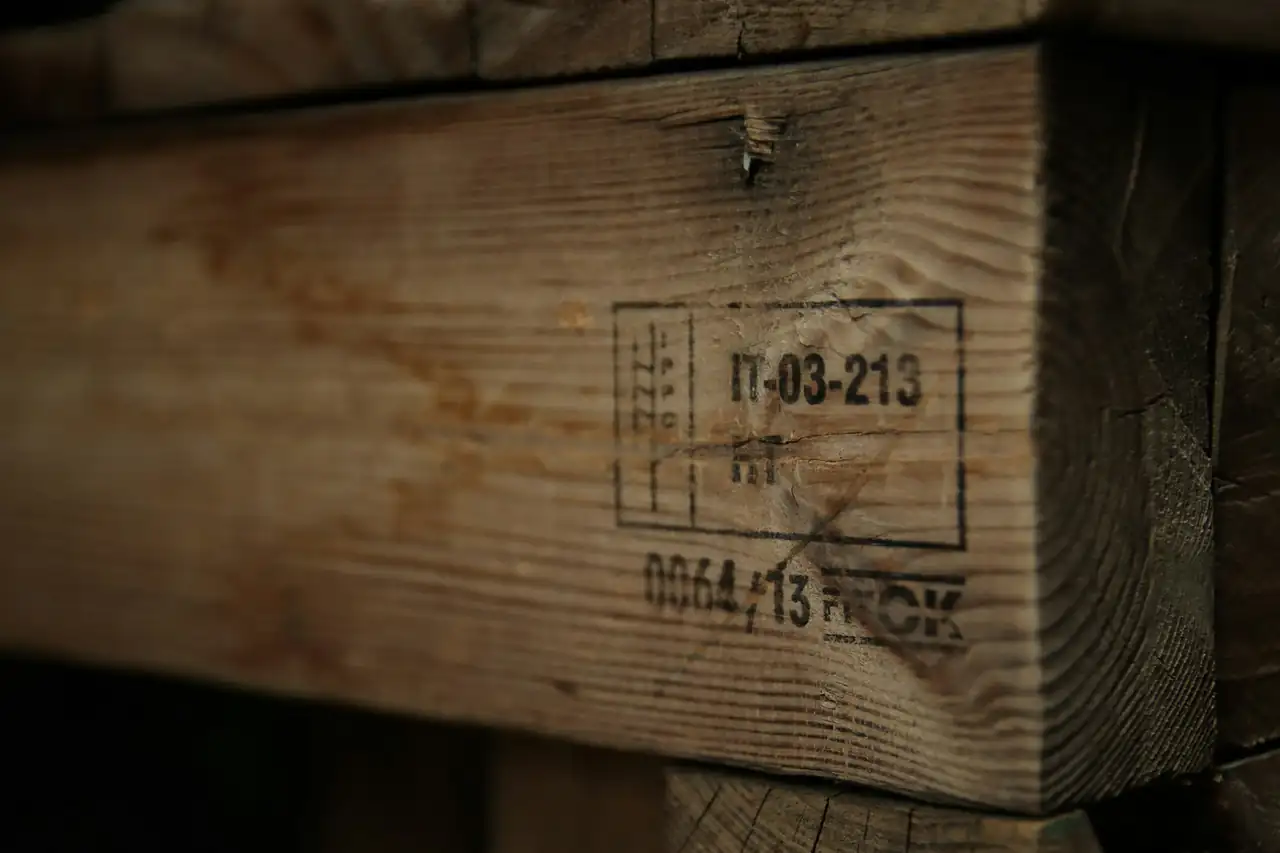
ISPM 15 is the international rule for raw wood packaging such as pallets, crates and dunnage: it must be debarked, treated and marked, whatever the product inside. This guide explains how to read the mark, what is exempt, what each market does without it, and the purchase order clause to use for Indian shipments.

Importing Wood Products: Timber-Legality Rules by Country

What the EU deforestation regulation, the US Lacey Act, Australia's illegal logging law, the UK Timber Regulation and New Zealand's coming rules ask of an importer of wood products. It explains the four questions every timber law asks, why Indian trade names for species are loose, the sheesham permit route, and how a Jodhpur furniture order plays out in each market.

Proof of Origin Explained: Certificates, Self-Declarations and Importer's Knowledge

Proof of origin is the document that unlocks a trade agreement's lower duty, and it comes in three kinds: an authority's certificate, the exporter's own declaration, and the importer's knowledge. This guide explains who signs each, who answers when customs checks later, and which one to use for Indian goods into the UK, Australia, New Zealand and the EU.

How to Find the HS Code for Your Product

How the Harmonized System is built, how to classify a product yourself under the six interpretation rules, and when a binding ruling is worth the wait. It shows why an Indian supplier's code is only a hint, what a wrong code costs, and how one cotton T-shirt carries a different national code in the UK, US, Australia and New Zealand.

How to Work Out the Real Import Duty on Any Product

A seven-step method for getting from the rate on a tariff screen to the import duty you actually pay, for any product into any country. It covers the base rate, earning a preference, stacked duties, the valuation basis and the tax on top, with one Indian cotton T-shirt worked through into Australia, the US and the UK.

How to Pay an Overseas Supplier Safely: What Each Payment Method Really Protects

What each way of paying an overseas supplier actually protects, from advance wires and deposits against a bill of lading copy to documentary collections, letters of credit, open account and platform payments. India is the worked example, with a first-order payment plan and the Indian export rules that apply from 1 October 2026.

Rules of Origin Explained: How Goods Qualify for FTA Duty Rates

Rules of origin decide whether a product made in India actually qualifies for a trade agreement's lower duty, based on what happened inside the factory rather than where the container sailed from. This guide explains the four kinds of rule, how to read the annex for your line, tolerance and accumulation, and works through a cotton T-shirt and a wooden sideboard into the UK, Australia and New Zealand.

Type a word you met on the page, a product or a place.